
How to evaluate battery health in humid climates

Introduction
Maintaining a vehicle's electrical system is a critical aspect of ownership, especially in tropical regions where high humidity and temperature fluctuations are constant. A vehicle battery provides the essential surge of power needed to start the engine and maintains the electrical equilibrium of the vehicle when the alternator is not active. In humid environments, the chemical processes inside the battery and the integrity of the external connections are under constant stress from moisture and heat.
Knowing how to evaluate battery health allows drivers to prevent sudden breakdowns and avoid the inconvenience of being stranded. Regular inspections are necessary when you notice slow engine cranking, dimming headlights, or electrical glitches. By performing proactive checks, you can identify signs of degradation before a total failure occurs, ensuring your transportation remains reliable regardless of the weather conditions.
Impact of humidity and heat on battery life

Humid climates present specific challenges for lead-acid and modern sealed batteries alike. High moisture levels in the air can accelerate the corrosion of battery terminals and connectors. When moisture settles on the metal components, it facilitates a chemical reaction that creates a layer of oxidation or acid buildup. This buildup increases electrical resistance, making it harder for the current to flow from the battery to the starter motor.
Furthermore, high ambient temperatures often accompany high humidity in tropical zones. Heat accelerates the chemical reactions inside a battery, which can lead to increased internal fluid evaporation and the breakdown of internal components. While heat itself can temporarily boost battery performance, it ultimately shortens the overall lifespan of the unit by speeding up the aging process of the lead plates.
Visual inspection and terminal condition
The first step in evaluating your battery is a thorough physical examination. You should look for any visible signs of swelling or deformation in the battery casing, which could indicate extreme overheating or internal pressure issues. Additionally, check the top of the battery for any signs of leakage or white, crusty deposits known as sulfation.
The condition of the terminals is paramount in humid environments. Inspect the metal posts for:
- Corrosion buildup: Look for powdery white or bluish-green substances on the metal terminals.
- Tightness of connections: Ensure the clamps are securely fastened and do not move when touched.
- Cable integrity: Check the wires connected to the battery for fraying, cracks, or signs of moisture ingress.
Cleaning the terminals with a neutralizing solution and applying a protective petroleum-based grease can help create a barrier against moisture and prevent future oxidation.
Testing electrical performance
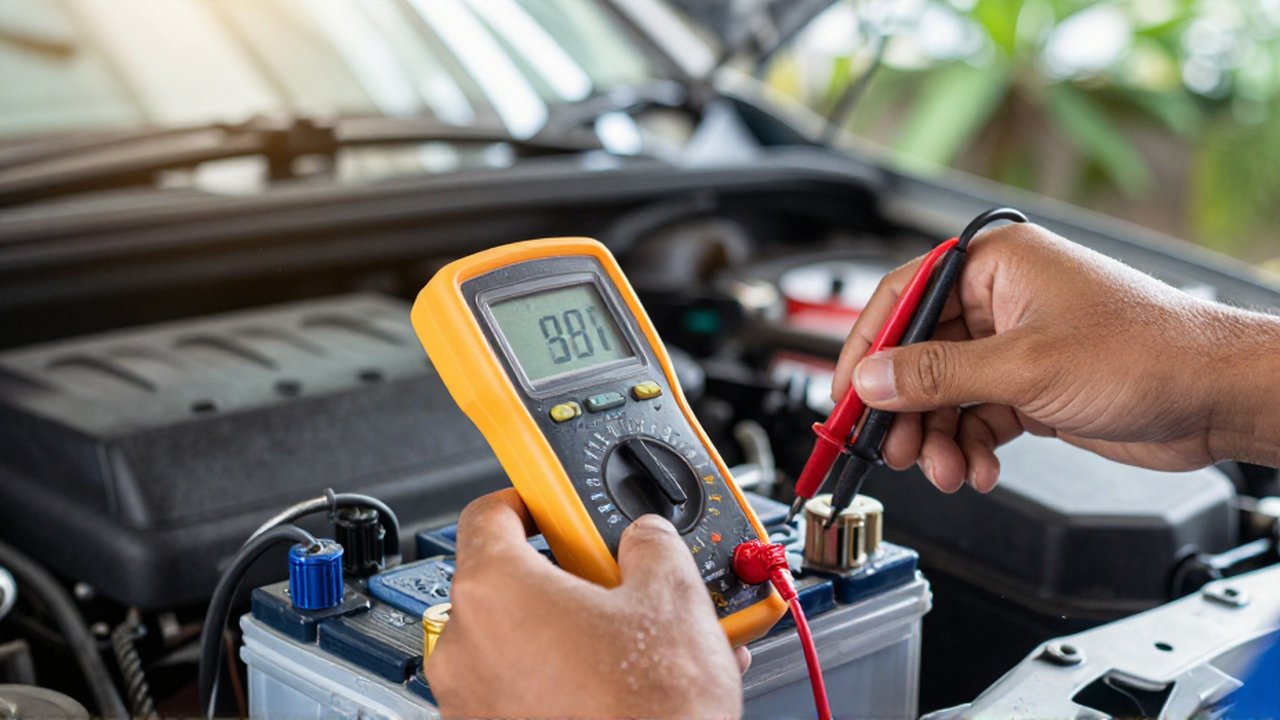
Beyond what the eyes can see, you must evaluate how the battery performs under load. A battery might show a full charge on a multimeter but fail to provide the necessary amperage to turn the engine over. There are several ways to gauge this performance:
- Voltage testing: Using a multimeter, check the battery voltage when the engine is off. A healthy battery should generally read a stable voltage consistent with its specifications. If the voltage is significantly low while the car is parked, the battery may not be holding a charge.
- Cranking test: Observe the engine during startup. A healthy battery should produce a quick, forceful crank. If the engine turns over slowly or sounds labored, the battery is likely losing its ability to deliver high current.
- Load testing: This is the most accurate method for home users or professionals. It involves applying a simulated electrical load to the battery to see if the voltage remains stable. If the voltage drops sharply under load, the battery's internal capacity is compromised.
Signs of impending battery failure
Drivers should remain vigilant for specific symptoms that suggest a battery is nearing the end of its service life. In humid climates, these signs can sometimes be masked by the heat, making them harder to detect until they become critical. Pay attention to the following indicators:
- Slow starting: The engine takes longer than usual to rotate and ignite.
- Electrical inconsistencies: Rapidly flickering dashboard lights, electrical components behaving erratically, or a dimming of the headlights when idling.
- Odors and noises: A rotten egg smell (indicating sulfur buildup) or a faint bubbling sound during charging can signal internal damage.
- Age of the unit: Most automotive batteries have a predictable lifespan. If your battery is several years old and you live in a high-temperature, high-humidity area, it is approaching a high-risk period for failure.
Frequently asked questions
How often should I check my battery in a humid environment? It is recommended to perform a visual inspection of the terminals and connections every month and a more thorough electrical check every six months to prevent sudden failure.
Will humidity cause my battery to discharge faster? Yes, high humidity can cause surface leakage and corrosion on terminals, which increases resistance and can lead to parasitic draws that deplete the battery's charge.
Can I clean battery corrosion with water? While water can rinse away some debris, using a specialized battery cleaning solution or a mixture of baking soda and water is more effective at neutralizing the acid and preventing immediate re-oxidation.
Does high heat make a battery last longer? No, while heat may increase chemical activity in the short term, it actually accelerates the degradation of the internal components, leading to a shorter overall lifespan.
Leave a Reply