
Best methods to clean salt residue from cars
Introduction
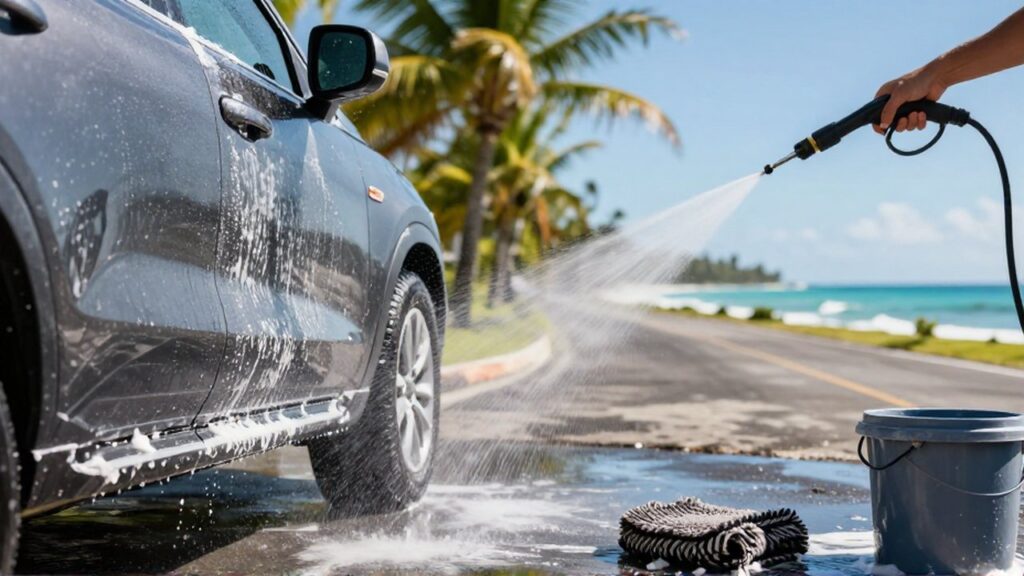
Salt residue on vehicles is a persistent threat to automotive integrity, particularly for those living in coastal regions or traveling through areas where road salt is used. When salt accumulates on a car's exterior or undercarriage, it acts as a powerful corrosive agent that accelerates the oxidation process of metal components. Left untreated, this buildup can lead to structural decay, unsightly rust spots, and the degradation of various mechanical parts.
Understanding how to effectively remove these deposits is essential for every car owner who wishes to preserve their vehicle's resale value and long-term safety. Regular cleaning is not merely about aesthetics; it is a proactive maintenance step required to prevent irreversible damage to the chassis, brake lines, and body panels. This guide provides practical and effective methods to neutralize and eliminate salt residue safely.
Impact of salt on automotive components
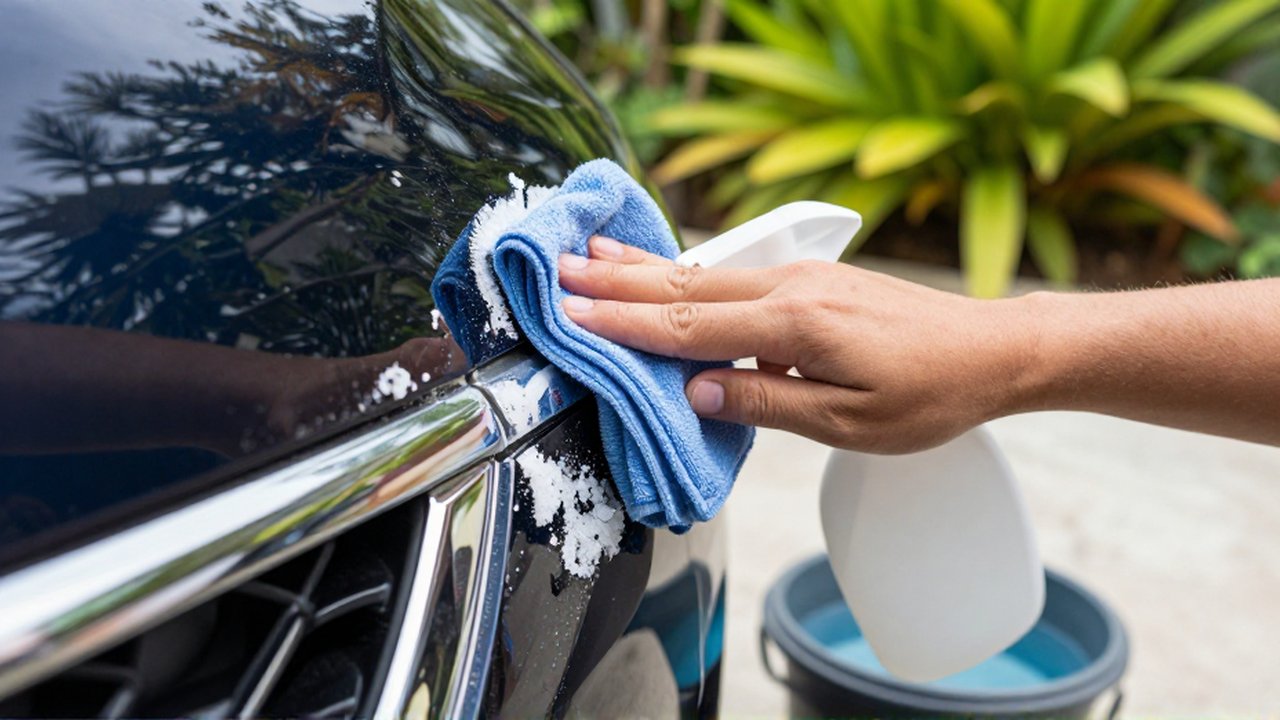
Salt is highly hygroscopic, meaning it attracts and retains moisture from the air. This creates a constant electrolytic environment on the surface of your vehicle, which facilitates the chemical reaction known as rusting. The most vulnerable areas are often the parts that are most difficult to see, such as the wheel wells, suspension components, and the undercarriage.
Beyond the metal frame, salt can also affect rubber seals and plastic trim. As salt crystals dry, they expand and contract, which can lead to the micro-cracking of rubber components over time. Furthermore, salt residue on the windows can create a film that interferes with visibility and can potentially damage the wiper blades through friction and abrasion.
Effective cleaning solutions for salt deposits
To combat salt, a simple water rinse is often insufficient. A more thorough approach is required to neutralize the chemical properties of the residue. Using a dedicated pH-neutral automotive soap is the best starting point for the exterior paint to ensure the clear coat is not damaged during the cleaning process.
For the undercarriage and more heavily soiled areas, specialized degreasers or salt-neutralizing sprays can be highly effective. These products are designed to break the bond between the salt crystals and the metal surfaces. When cleaning, it is vital to use a high-pressure washer to reach deep into the crevices where salt tends to hide, such as around bolts, joints, and frame rails.
Step by step guide to saltwater removal
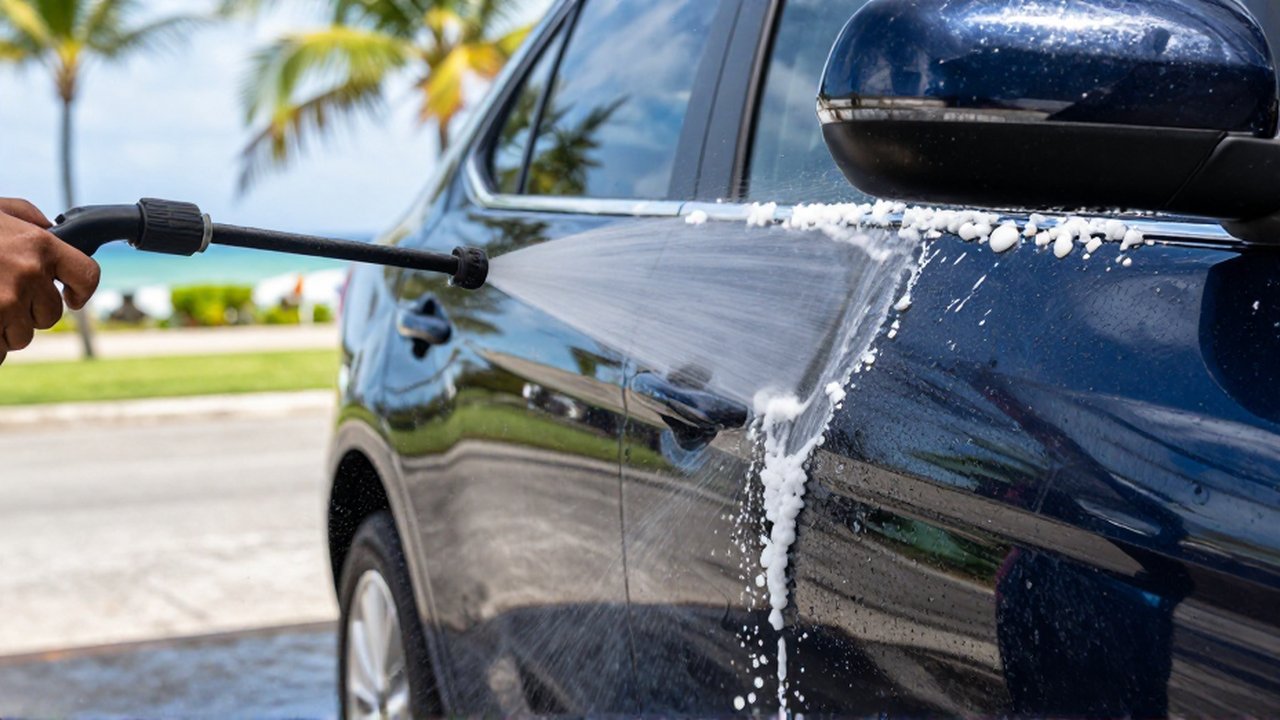
The cleaning process should be performed in a methodical manner to prevent spreading the salt around or causing scratches to the paintwork. Follow these steps for a comprehensive cleaning:
- Initial Rinse: Use a high-pressure hose to rinse the entire vehicle, focusing heavily on the undercarriage, wheel arches, and door jambs. This removes the bulk of the loose salt.
- Pre-wash: Apply a snow foam or a pre-soak cleaning agent. This helps to encapsulate the remaining salt particles and lift them away from the surface.
- Contact Wash: Using the two-bucket method—one bucket with soapy water and one with clean water for rinsing your mitt—wash the car from the top down. This prevents dragging salt and grit across the paint.
- Undercarriage Deep Clean: While the car is still wet, use a specialized wand or a high-pressure nozzle to direct water upward into the chassis and suspension areas.
- Drying and Protection: Dry the vehicle thoroughly with a microfiber towel to prevent water spots. Once dry, apply a high-quality wax or sealant to create a protective barrier that makes future salt removal easier.
Common mistakes to avoid during cleaning
One of the most frequent errors is attempting to clean a salt-covered car in direct sunlight. As the water and cleaning agents evaporate quickly due to heat, they can leave behind concentrated streaks of salt and chemicals that may etch into the paint. Always clean the vehicle in a shaded area or during cooler parts of the day.
Another mistake is using abrasive brushes or sponges to scrub away salt. Salt crystals are incredibly hard and abrasive; if you scrub them directly into the paint, you will create micro-scratches known as swirl marks. Always rinse the area thoroughly before any physical contact is made with the surface. Finally, do not neglect the engine bay and brake components, as these are high-heat areas where salt residue can become baked onto the metal.
Frequently asked questions
How often should I clean salt residue from my car? If you live in a coastal area or drive on salt-treated roads, you should rinse your vehicle as soon as possible after exposure. Ideally, a thorough cleaning should be performed once a week if salt exposure is constant.
Can I use a regular garden hose to remove salt? A garden hose is helpful for a quick rinse, but it lacks the pressure necessary to dislodge salt trapped in tight crevices and the undercarriage. A high-pressure washer is strongly recommended for an effective clean.
Does waxing my car help prevent salt damage? Yes, applying a quality wax, sealant, or ceramic coating provides a sacrificial layer of protection. This layer makes it harder for salt to bond directly to the paint and makes subsequent cleaning much easier.
Is it safe to clean the undercarriage myself? While you can clean the visible parts of the undercarriage, the most critical areas are often hidden. Using a high-pressure spray is generally safe, but avoid spraying electrical components or sensitive sensors directly with high pressure.
Leave a Reply