
Why does a car transmission make grinding noises
Introduction
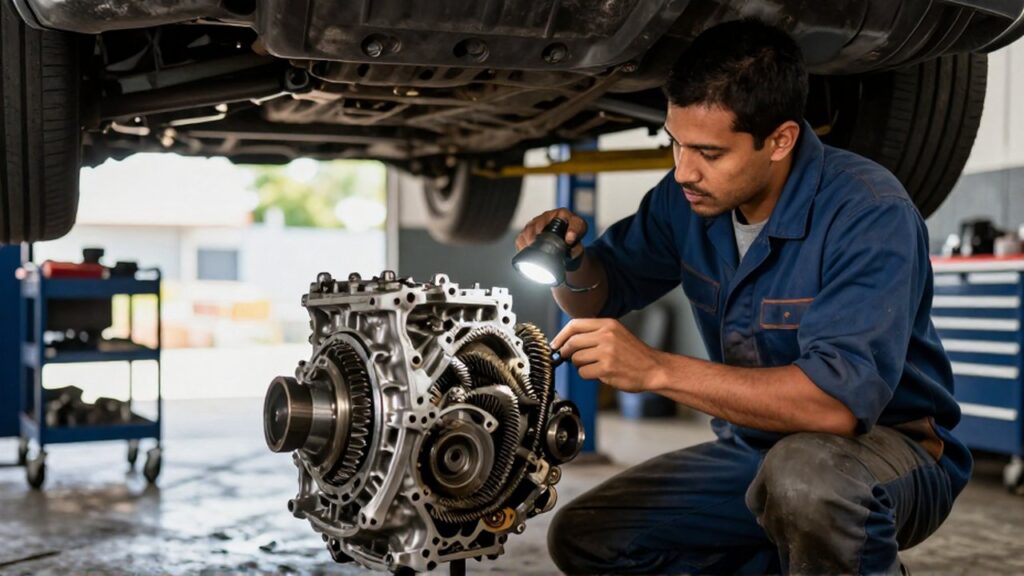
A grinding noise coming from your vehicle's transmission is often a clear signal that something is wrong within the complex system responsible for transferring power from the engine to the wheels. Recognizing these sounds early is critical because the transmission is one of the most expensive components of a vehicle to repair or replace. If left unaddressed, a minor mechanical hiccup can quickly escalate into a total system failure, leaving you stranded.
Understanding the source of these noises helps you determine whether you are facing a simple maintenance issue or a severe mechanical breakdown. Grinding sounds can arise from various culprits, including worn synchronizers, low fluid levels, or damaged gears. By identifying the specific pattern and timing of the noise, you can provide more accurate information to a mechanic and potentially prevent much more costly repairs in the future.
Common causes of transmission grinding
The primary reason for grinding sounds is often related to the internal components that manage gear shifts. In manual transmissions, the most frequent culprit is the synchronizer. Synchronizers act as small clutches that match the speeds of the gear and the shaft before they engage. When these components wear out, the gears collide without being perfectly aligned, creating a distinct grinding sensation and sound during gear changes.
In automatic transmissions, grinding may indicate internal component wear or a failure in the hydraulic system. If the fluid pressure is insufficient, the clutches and bands within the transmission may not engage smoothly, leading to metal-on-metal contact. Additionally, worn bearings can cause a continuous grinding or whining noise that changes intensity based on the vehicle's speed or the transmission's load.
Impact of transmission fluid levels and quality
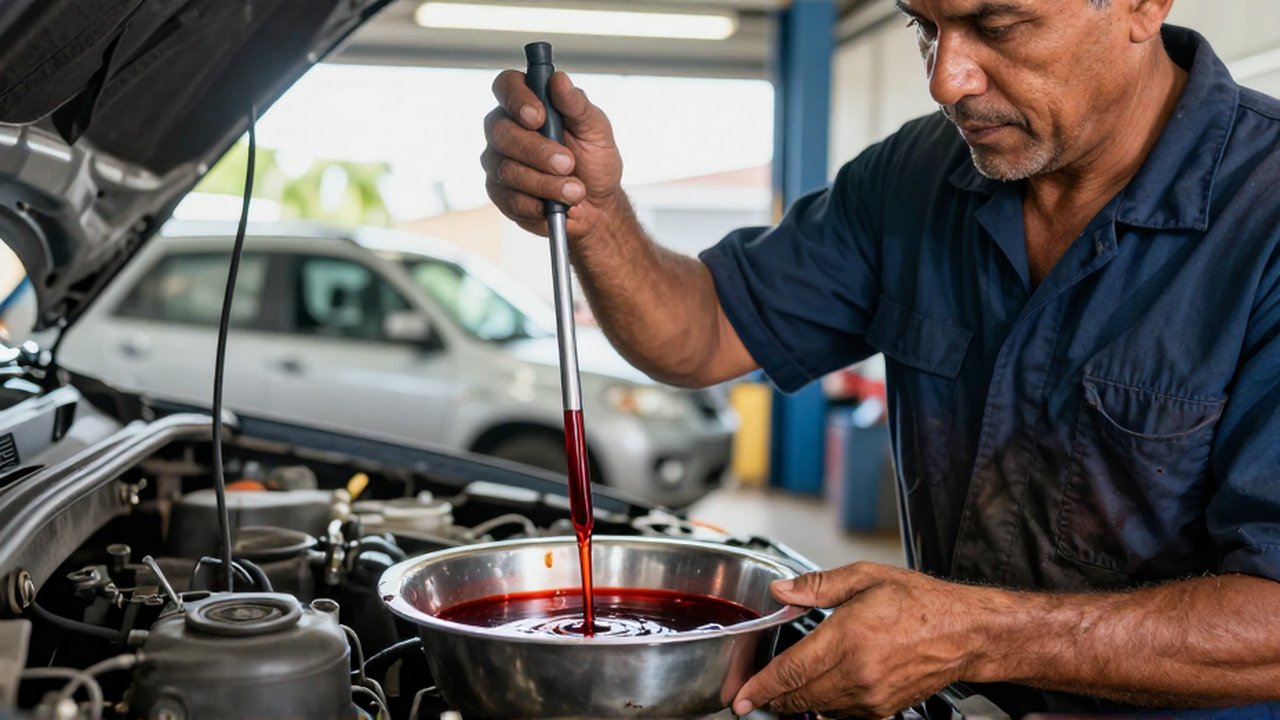
Transmission fluid is the lifeblood of your gearbox. It serves three essential functions: lubrication, cooling, and hydraulic pressure. When the fluid level is low, or when the fluid has become contaminated with debris, the internal components lose their protective barrier. This lack of lubrication causes metal parts to rub against each other, resulting in grinding or whining noises.
In the tropical climate of the Dominican Republic, heat can accelerate the breakdown of transmission fluid. High temperatures thin the oil, reducing its ability to lubricate effectively and maintain pressure. It is vital to monitor fluid color and consistency. If the fluid appears dark, smells burnt, or contains visible metallic flakes, it is a sign that the fluid is no longer providing adequate protection and is likely contributing to the noise.
Differentiating between gear and clutch issues
It is easy to confuse transmission problems with clutch problems, especially in manual vehicles. If the grinding noise occurs specifically when you press or release the clutch pedal, the issue may lie with the clutch assembly rather than the transmission itself. A worn clutch disc or a failing pressure plate can cause a grinding sensation that mimics a transmission fault.
To differentiate, observe when the noise occurs:
- Grinding during shifting: Likely a synchronizer or gear issue.
- Grinding while the car is idling: Could indicate a faulty torque converter or a failing pump.
- Grinding only when the clutch is depressed: Likely a clutch release bearing or pressure plate issue.
- Constant grinding while driving: Usually points to internal bearings or gear damage.
Risks of ignoring transmission noises
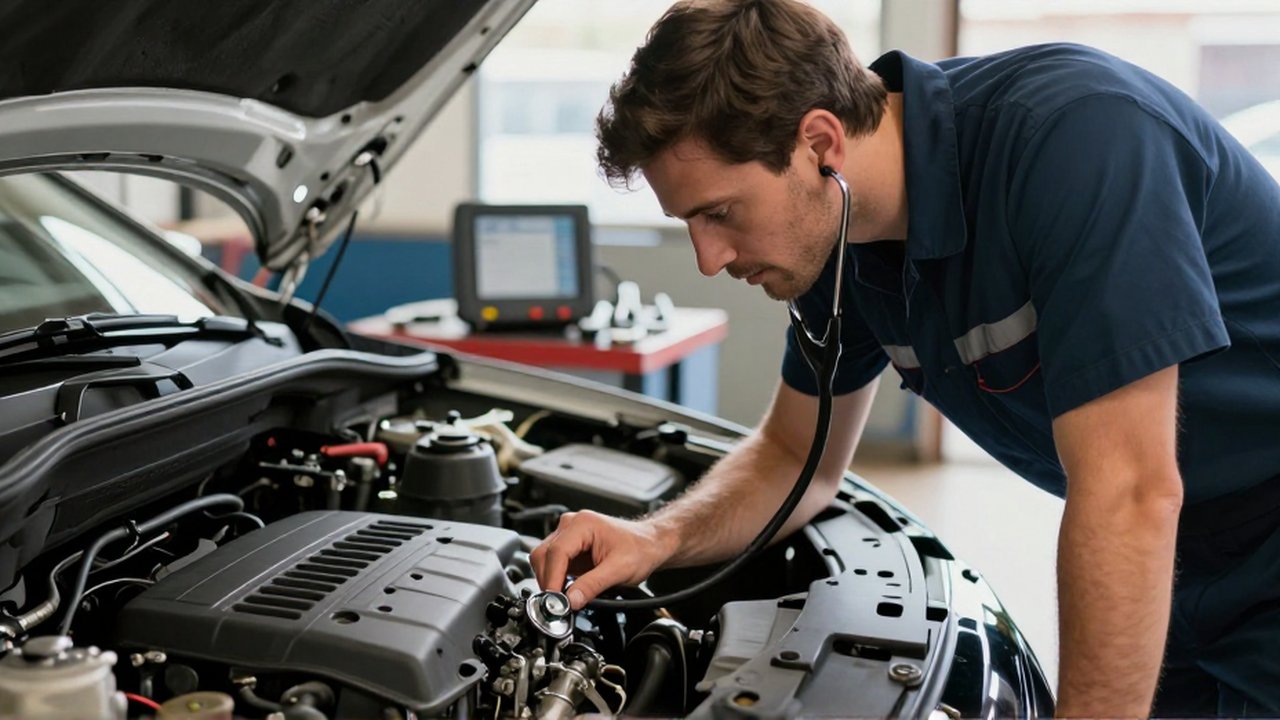
Ignoring a grinding noise is a high-risk decision. Transmission systems operate under high pressure and intense friction; once metal fragments are created by grinding, they circulate through the entire system. These fragments act like sandpaper, causing accelerated wear on all other moving parts, including valves, seals, and pumps.
Failure to act can lead to several dangerous scenarios: 1. Loss of power: The vehicle may suddenly fail to move, which is particularly dangerous in traffic. 2. Stuck gears: The transmission may lock in a specific gear, making it impossible to shift. 3. Total transmission failure: What started as a simple fluid change or a single part replacement can turn into a requirement for a complete transmission rebuild.
Preventive maintenance for transmission longevity
Maintaining a healthy transmission requires consistent attention to routine service intervals. Regular fluid changes are the most effective way to prevent grinding. Using the manufacturer-recommended fluid type is non-negotiable, as using the wrong viscosity can interfere with the hydraulic systems and cause premature wear.
Regular inspections are also beneficial. Periodically checking for leaks under the vehicle can help you catch a drop in fluid levels before they cause mechanical damage. Additionally, practicing smooth driving habits—such as avoiding aggressive shifting and ensuring the vehicle is at a complete stop before moving from Park to Drive—can significantly extend the life of your gears and synchronizers.
Frequently asked questions
Does a grinding noise always mean I need a new transmission? Not necessarily. A grinding noise can be caused by low fluid levels, a worn clutch, or a faulty synchronizer. While these require repairs, they do not always necessitate a full transmission replacement.
Can low transmission fluid cause grinding? Yes. Without enough fluid, the internal components lack the lubrication needed to prevent metal-on-metal contact, which directly results in grinding sounds.
How often should I check my transmission fluid? While many modern vehicles have "sealed" transmissions, it is wise to have your transmission inspected during every oil change or every 10,000 to 15,000 kilometers to ensure there are no leaks or signs of degradation.
Is it safe to drive a car that makes grinding noises? It is not recommended. Driving while hearing grinding noises increases the risk of a sudden mechanical failure, which can compromise your safety and lead to much more expensive repairs.
Leave a Reply