
Steps to protect car upholstery from UV rays
Introduction
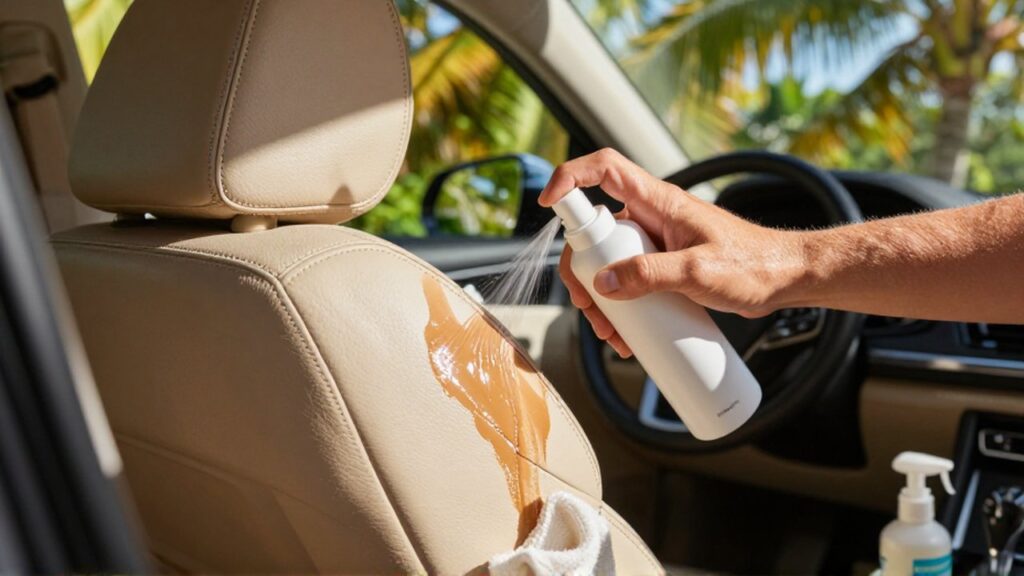
Ultraviolet (UV) radiation from the sun is one of the most persistent threats to a vehicle's interior. When a car is parked under direct sunlight, the intense energy from UV rays penetrates the windows, causing a chemical reaction in the materials used for seats, dashboards, and door panels. This process leads to fading, brittleness, and cracking, which significantly diminishes both the aesthetic appeal and the resale value of the vehicle.
Protecting your upholstery is essential for maintaining a comfortable and clean driving environment. Beyond the visual damage, UV exposure can cause leather skins to dry out and fabric fibers to weaken, making them more susceptible to tears and stains. Implementing a proactive protection strategy is necessary for anyone living in tropical or sunny climates where sun exposure is constant and intense.
By following a consistent maintenance routine and using physical barriers, you can extend the lifespan of your car's interior. This guide outlines the most effective methods to shield your upholstery from the harmful effects of solar radiation, ensuring your vehicle remains in excellent condition for years to come.
Use physical sun protection tools
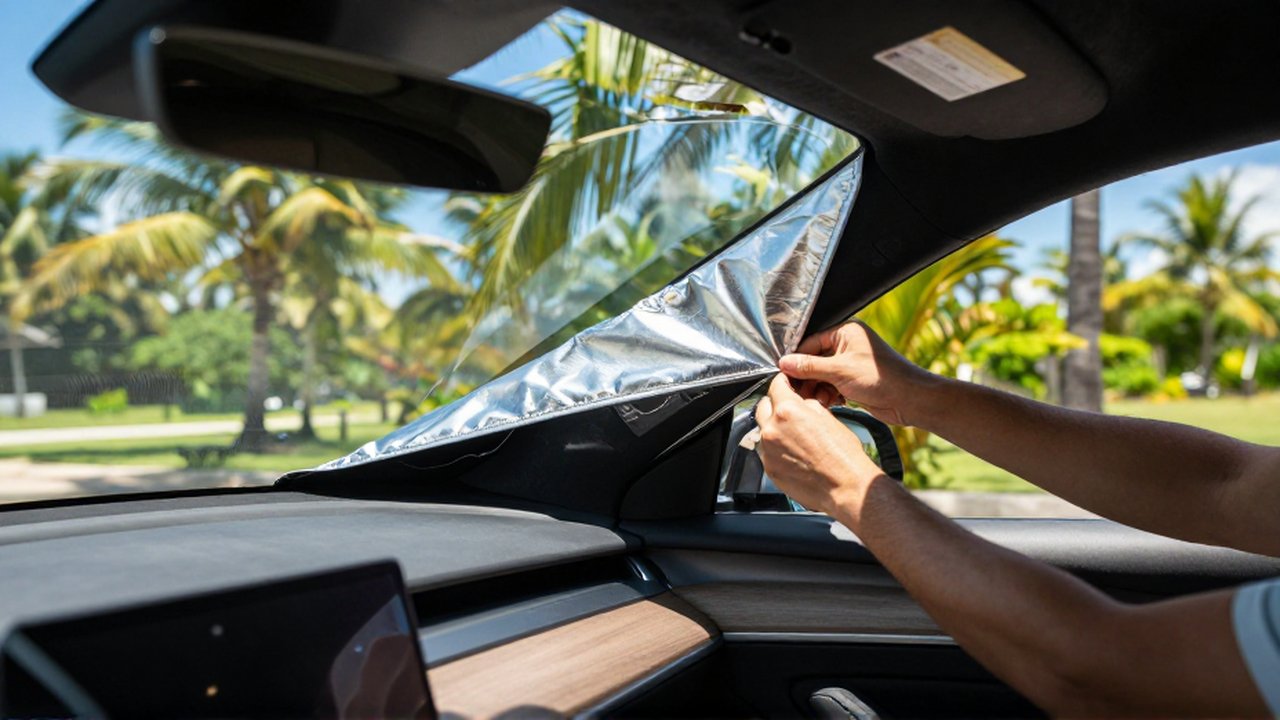
The most effective way to prevent UV damage is to stop the rays from reaching the interior surfaces in the first place. Utilizing physical barriers is the first line of defense in any vehicle protection strategy.
One of the most common and effective tools is a high-quality windshield sunshade. These reflective shields are designed to fit the contours of your front window, reflecting a significant portion of the solar energy away from the dashboard and seats. When selecting a shade, look for materials that are opaque and have a reflective coating, as these provide better thermal insulation and UV blocking.
Additionally, window tinting serves as a continuous protective layer. High-quality window films are engineered specifically to block a high percentage of UV radiation without necessarily darkening the glass to an illegal degree. This is particularly beneficial for side and rear windows, which are often overlooked but receive significant cumulative exposure throughout the day.
Apply specialized UV protectants
While physical barriers block direct light, a layer of chemical protection is necessary for surfaces that are inevitably exposed to ambient UV light. Special upholstery protectants are formulated to act as a "sunscreen" for your car's interior.
For leather upholstery, it is vital to use conditioners that specifically mention UV protection. Leather is an organic material that loses its natural oils when exposed to heat and light. A dedicated UV protectant helps replenish these oils while creating a microscopic barrier that absorbs or reflects harmful radiation. Avoid using generic household oils or greasy products, as these can attract dust and eventually cause the leather to degrade further.
For fabric and synthetic materials, specialized sprays or wipes can be used to stabilize the fibers. These products help prevent the "bleaching" effect that causes colors to fade. When applying these products, always follow the manufacturer's instructions to avoid leaving residue that could attract dirt or create a slippery surface.
Maintain a regular cleaning routine
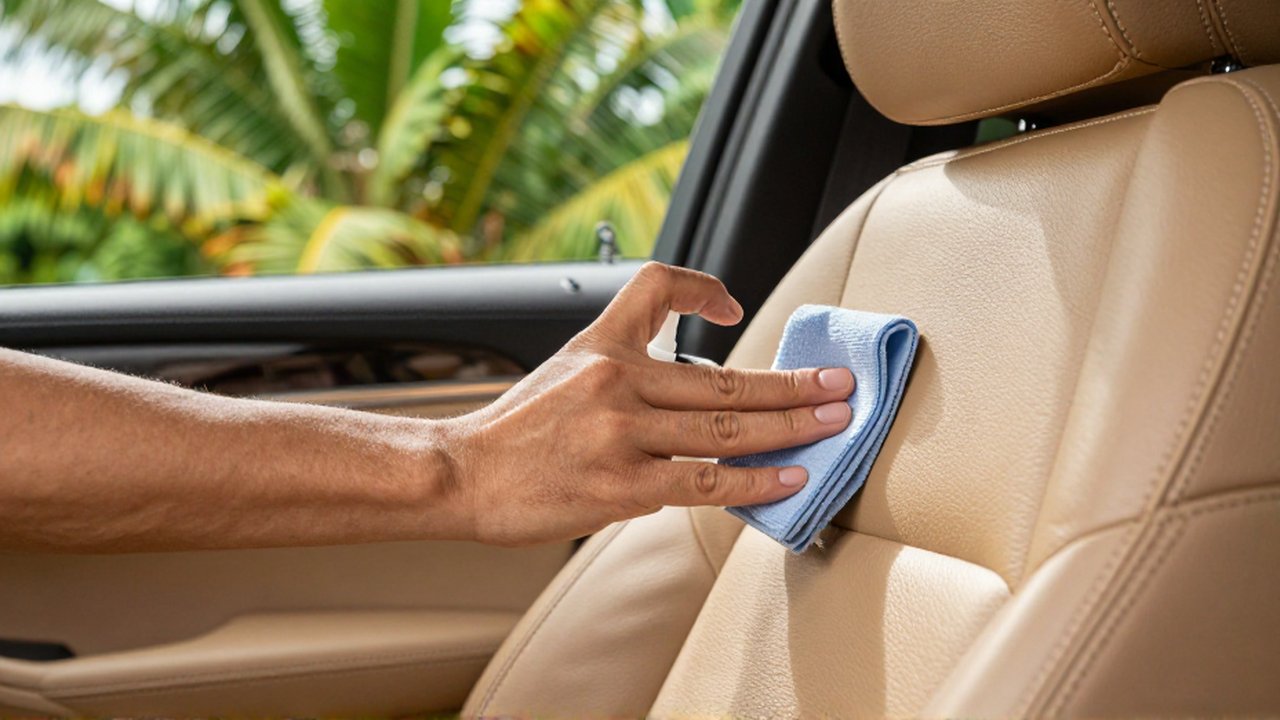
Dirt, dust, and salts can act as abrasives that accelerate the degradation caused by UV rays. When sunlight hits a layer of fine dust on a seat, the heat can become trapped against the material, intensifying the chemical breakdown of the surface.
A clean interior is a more resilient interior. Regular vacuuming removes grit from the crevices of fabric seats, preventing it from grinding into the fibers. For leather, gentle cleaning with pH-balanced products ensures that the material remains supple. If dirt is allowed to sit on the surface, it can become harder to remove and may even bond with the material during extreme heat cycles, leading to permanent staining or texture changes.
| Upholstery Type | Recommended Cleaning Frequency | Primary Protection Method |
|---|---|---|
| Leather | Monthly cleaning/conditioning | UV-rated leather conditioners |
| Fabric | Weekly vacuuming | Specialized fabric UV sprays |
| Synthetic/Vinyl | Monthly wiping | Non-greasy UV protectant wipes |
Avoid common mistakes in interior care
Many vehicle owners inadvertently cause more harm than good through incorrect maintenance habits. One frequent mistake is using products containing high amounts of silicone or petroleum-based ingredients. While these may provide a temporary "shiny" look, they can actually trap heat and accelerate the cracking of vinyl and plastic components over time.
Another error is neglecting the dashboard and door panels. While the seats often receive the most attention, the dashboard acts like a heat sink, absorbing massive amounts of thermal energy. If the dashboard cracks due to UV exposure, it can release fine particles into the air and negatively impact the overall cabin environment.
Finally, do not rely solely on one method. Using a sunshade without also conditioning the leather leaves the material vulnerable to the UV rays that enter through the side windows or during periods when the shade is not in use. A multi-layered approach—combining physical blocking, chemical protection, and regular cleaning—is the only way to ensure comprehensive coverage.
Frequently asked questions
Can window tint prevent all UV damage? While high-quality window films can block a very high percentage of UV rays, they do not block 100% of all radiation, especially reflected light. It should be used as part of a broader protection strategy.
How often should I apply UV protectant to my leather seats? Depending on your climate and how much time the car spends outdoors, applying a UV-rated conditioner every one to three months is generally recommended to maintain moisture and protection.
Is it safe to use any conditioner on my car seats? No. You should only use products explicitly designed for automotive upholstery. Household cleaners or multipurpose oils can contain chemicals that damage the specific coatings or tannins used in automotive-grade materials.
Does parking in a garage eliminate the need for UV protection? Parking in a garage significantly reduces exposure, but it does not eliminate it. When you drive the vehicle, the interior is still subject to direct sunlight, and ambient UV light can still affect surfaces in bright environments.
Leave a Reply