
Benefits of regular transmission system inspections
Introduction
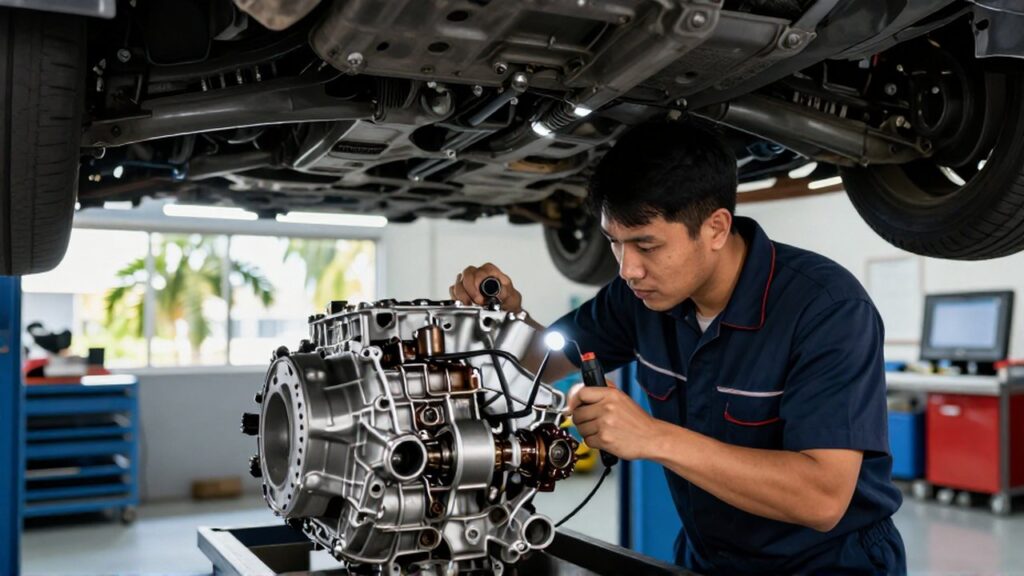
The transmission system is one of the most complex and vital components of any vehicle, responsible for transferring power from the engine to the wheels. Whether your vehicle uses an automatic, manual, or continuously variable transmission (CVT), this system must manage precise gear ratios and fluid pressures to ensure smooth movement. Because the transmission is deeply integrated with the engine's performance, any malfunction can lead to significant driving difficulties or complete vehicle immobilization.
Regular inspections of the transmission system are essential preventative measures designed to detect wear, fluid degradation, and mechanical fatigue before they escalate into catastrophic failures. In tropical climates, where high ambient temperatures can accelerate the breakdown of essential fluids, staying proactive is even more critical. By scheduling periodic checks, vehicle owners can ensure the longevity of the drivetrain, maintain optimal fuel efficiency, and avoid the exorbitant costs associated with full transmission replacements.
Preventing costly mechanical failures
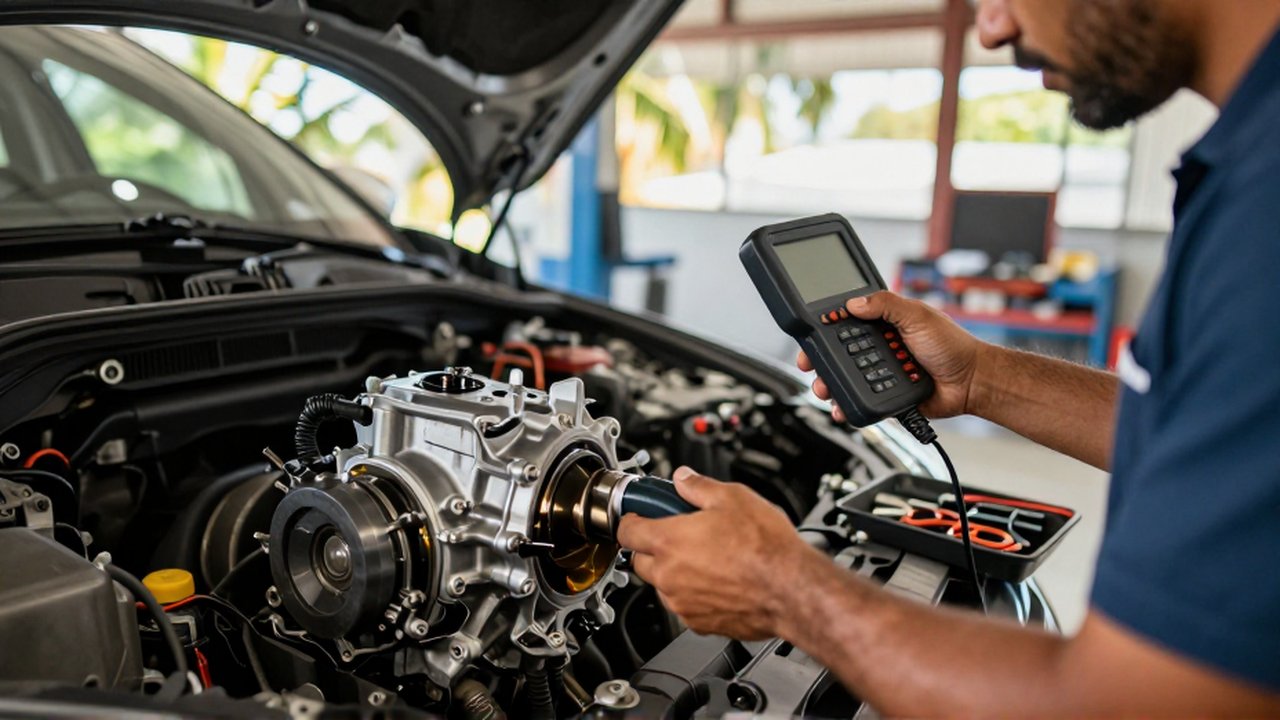
One of the primary advantages of regular inspections is the ability to identify minor issues that could eventually lead to total system failure. Many transmission problems do not start with a sudden breakdown; instead, they begin with subtle signs like slight slipping, delayed engagement, or unusual noises. A professional inspection focuses on detecting these early warning signs through fluid analysis and diagnostic testing.
When a technician inspects the transmission, they are looking for specific indicators of wear, such as:
- Fluid discoloration: Healthy transmission fluid should have a specific color and smell. Dark or burnt-smelling fluid indicates overheating or internal friction.
- Contaminant detection: Finding metal shavings in the fluid is a definitive sign of internal component wear.
- Seal and gasket integrity: Checking for leaks allows for simple repairs, such as replacing a gasket, rather than a total overhaul once the system runs dry.
By addressing these small issues through routine maintenance, drivers can avoid the necessity of a rebuild or a complete unit replacement, which are among the most expensive repairs in automotive mechanics.
Optimization of vehicle performance and fuel economy
A well-maintained transmission directly impacts how efficiently a vehicle uses its energy. The transmission must facilitate seamless gear shifts to keep the engine operating within its ideal power band. If the transmission is struggling due to old fluid or worn components, the engine must work harder to maintain speed, which leads to a noticeable decrease in fuel efficiency.
Regular inspections ensure that the hydraulic pressure remains consistent and that the internal clutches or bands are engaging correctly. When the transmission performs its job accurately, the vehicle experiences smoother acceleration and more predictable handling. Furthermore, keeping the system in peak condition prevents the "hunting" effect, where a transmission fluctuates between gears unnecessarily, a common issue that wastes fuel and increases engine wear.
Benefits of fluid and filter maintenance

The transmission fluid serves as the lifeblood of the system, acting as both a lubricant and a hydraulic medium. Over time, this fluid undergoes thermal breakdown, losing its ability to protect moving parts and manage heat. Regular inspections allow owners to determine the exact condition of the fluid and the effectiveness of the transmission filter.
| Inspection Element | Purpose | Impact of Neglect |
|---|---|---|
| Fluid Level | Ensures proper hydraulic pressure | Cavitation and overheating |
| Fluid Quality | Provides lubrication and cooling | Increased friction and component wear |
| Filter Status | Removes debris and contaminants | Blockages and restricted flow |
Maintaining these elements through scheduled checks ensures that contaminants are trapped by the filter rather than circulating through sensitive valves and gears. This proactive approach preserves the delicate internal architecture of the transmission.
Common signs that require immediate inspection
While scheduled maintenance is the goal, drivers should be aware of specific symptoms that necessitate an immediate professional evaluation. Ignoring these signs can turn a manageable maintenance task into a much more complex mechanical crisis.
Drivers should seek an inspection if they notice any of the following:
- Slipping gears: The engine revs up, but the vehicle does not accelerate as expected.
- Rough shifting: Hard jolts or hesitations when the vehicle changes gears.
- Unusual noises: Whining, clunking, or grinding sounds originating from the drivetrain area.
- Leaking fluids: Puddles of red or brown fluid found under the vehicle after parking.
Frequently asked questions
How often should I have my transmission inspected? While manufacturer guidelines vary, most experts recommend a visual inspection and fluid check during every oil change or every six months to detect early signs of wear.
Can heat damage my transmission? Yes, excessive heat is one of the leading causes of transmission failure. High temperatures degrade the chemical properties of the fluid, which can lead to increased friction and component damage.
Does a transmission inspection include a test drive? A thorough inspection often includes a test drive to allow the technician to feel for shifting irregularities, vibrations, or delays that may not be visible while the vehicle is stationary.
Can regular inspections help with vehicle resale value? Absolutely. A documented history of regular transmission inspections and maintenance serves as proof of good vehicle stewardship, which can increase buyer confidence and the overall value of the vehicle.
Leave a Reply