
Road trip routes for exploring Samaná Peninsula
Introduction
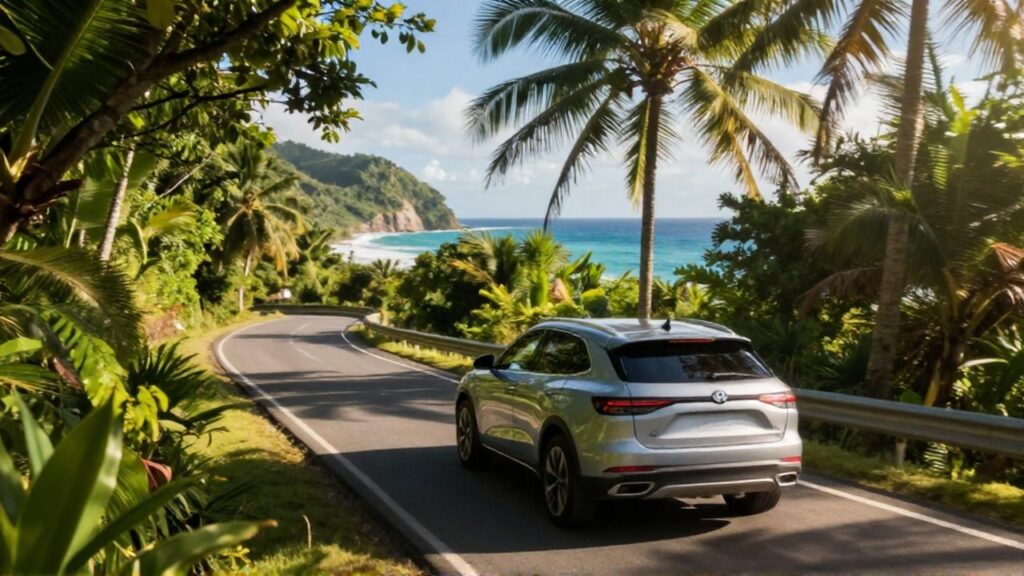
Exploring the Samaná Peninsula via a road trip is one of the most rewarding driving experiences in the Dominican Republic. This region offers a unique blend of lush tropical landscapes, dramatic coastal cliffs, and hidden turquoise bays that are often difficult to reach via public transportation. Planning a driving route allows travelers the freedom to stop at spontaneous viewpoints, explore remote beaches, and navigate the peninsula at their own pace.
A well-planned road trip through Samaná serves as the perfect gateway to discovering the authentic essence of the Samaná province. Whether you are looking for secluded nature reserves or vibrant coastal towns, having a structured route helps manage the varying road conditions and travel times. This guide provides various itinerary options designed to help you maximize your time while ensuring a safe and enjoyable journey through this tropical paradise.
Best routes for coastal exploration
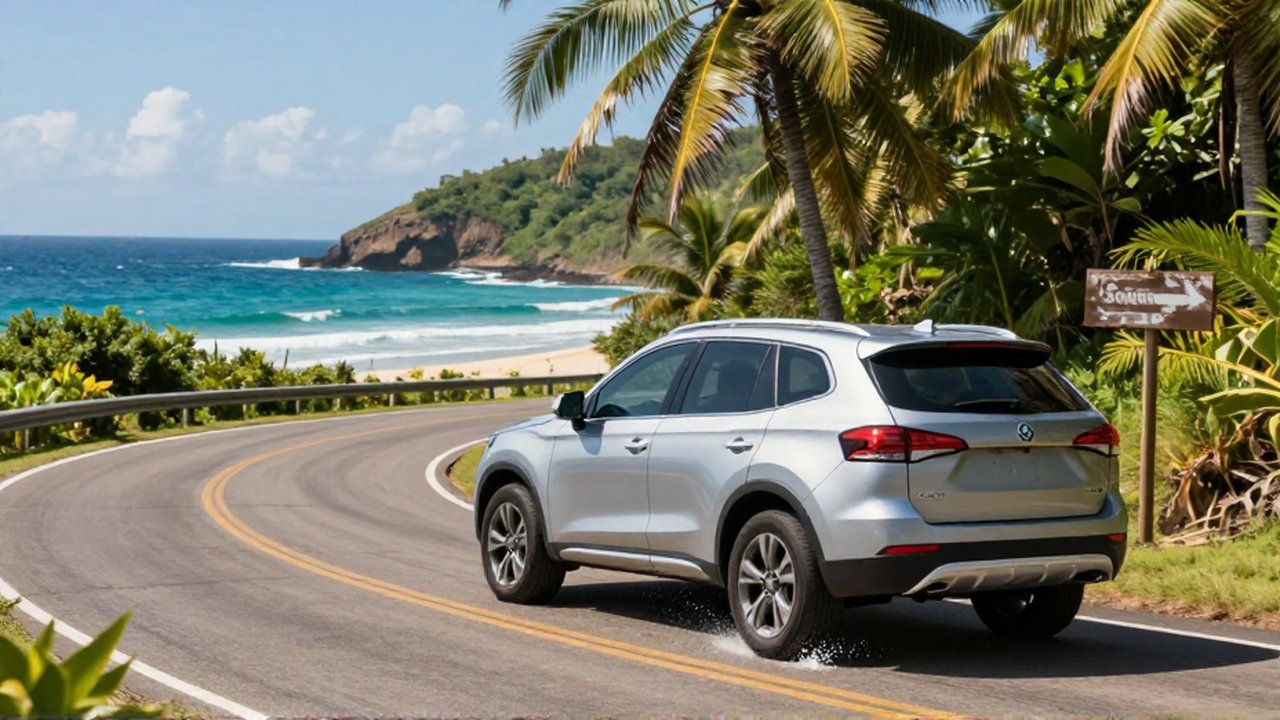
The primary goal for most visitors to Samaná is to reach the most iconic beaches and coastal towns. The main highway that encircles the peninsula offers different experiences depending on which direction you choose to travel.
The Northern Coastal Route is ideal for those who want to visit the most famous stretches of sand. Starting from the main access point, this route takes you toward Las Terrenas and through the scenic coastal roads that hug the shoreline. This path is excellent for discovering upscale dining, boutique hotels, and calm waters perfect for swimming.
If your priority is exploring remote and untouched nature, the Eastern Loop toward Las Galeras is the superior choice. This route involves more winding roads and a slower pace, but the reward is access to some of the most pristine bays in the Caribbean. Driving toward the eastern tip of the peninsula allows you to visit quiet fishing villages and secluded spots that feel worlds away from the more developed tourist hubs.
Driving tips for the Samaná terrain
Driving in the Samaná Peninsula requires a different mindset compared to driving in major urban centers like Santo Domingo. The terrain is characterized by varying elevations, narrow passages, and sudden changes in road quality.
To ensure a smooth trip, consider the following practical advice:
- Manage your speed on curves: The peninsula features many winding roads through hilly and forested areas. Avoid excessive speed, especially when approaching bends where visibility might be limited by vegetation.
- Prepare for tropical weather: Rain in the Samaná region can be heavy and sudden. Wet roads can become slippery, and visibility can drop quickly. Always check the weather forecast before heading out on a long drive.
- Watch for local wildlife and livestock: It is common to encounter animals on the road in more rural stretches. Maintaining a vigilant eye on the shoulders of the road is essential for safety.
- Fuel and maintenance: While major towns have reliable gas stations, the more remote areas toward Las Galeras may have fewer options. It is a good practice to keep your fuel tank at least half full during long excursions.
Essential items for a Samaná road trip
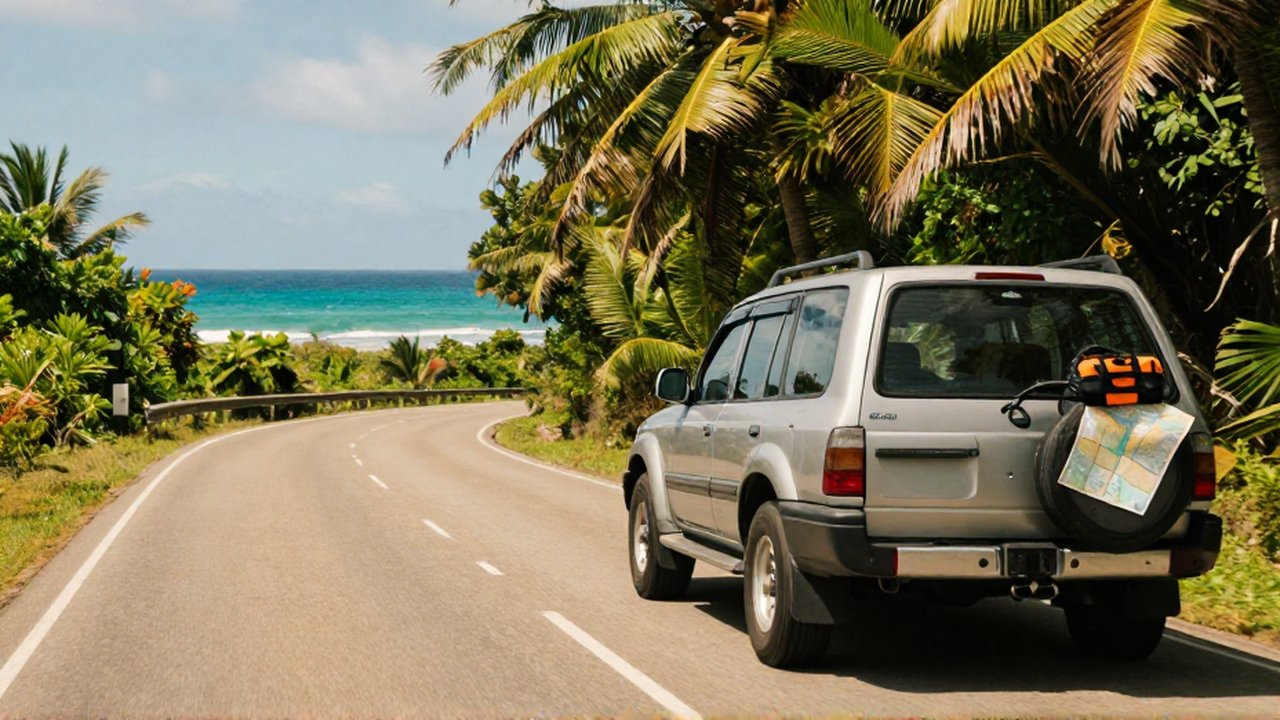
Because Samaná is a destination defined by its natural environment, being prepared for both the climate and the terrain is vital. Carrying the right supplies can turn a minor inconvenience into a minor delay.
A reliable vehicle is your most important asset. Before departing, ensure your tires, brakes, and cooling system are in optimal condition, as the tropical heat and hilly roads put extra strain on the engine. Additionally, bringing a physical map or downloading offline maps is highly recommended, as cellular signal can be intermittent in the valleys and dense jungle areas.
For comfort and safety, always carry enough drinking water, basic first aid supplies, and high-SPF sunscreen. Since you will likely be visiting beaches, a waterproof bag for your electronics and a small cooler can enhance your ability to enjoy unplanned stops along the route.
Frequently asked questions
Is it difficult to drive in Samaná for beginners? While the roads are generally navigable, the winding nature of the coastal routes and the presence of narrow passages require experience and caution. It is best to drive during daylight hours to better observe road conditions and potential obstacles.
What type of vehicle is best for exploring the peninsula? A standard sedan is sufficient for the main highways and most tourist areas. However, if you plan to explore very remote areas or unpaved paths leading to hidden beaches, a vehicle with higher ground clearance, such as an SUV, is highly recommended.
How much time should I allocate for a full loop of the peninsula? A full exploration of the peninsula typically requires at least three to four days if you wish to visit both the northern coast and the eastern tips without rushing. Trying to do the entire loop in a single day can be exhausting and may lead to driver fatigue.
Are there many service stations along the routes? Service stations are frequent in towns like Las Terrenas and Samaná. However, as you move toward the more isolated eastern parts of the peninsula, they become much more sparse. Always plan your fuel stops accordingly.
Leave a Reply