
When to replace motorcycle brake pads for safety
Introduction
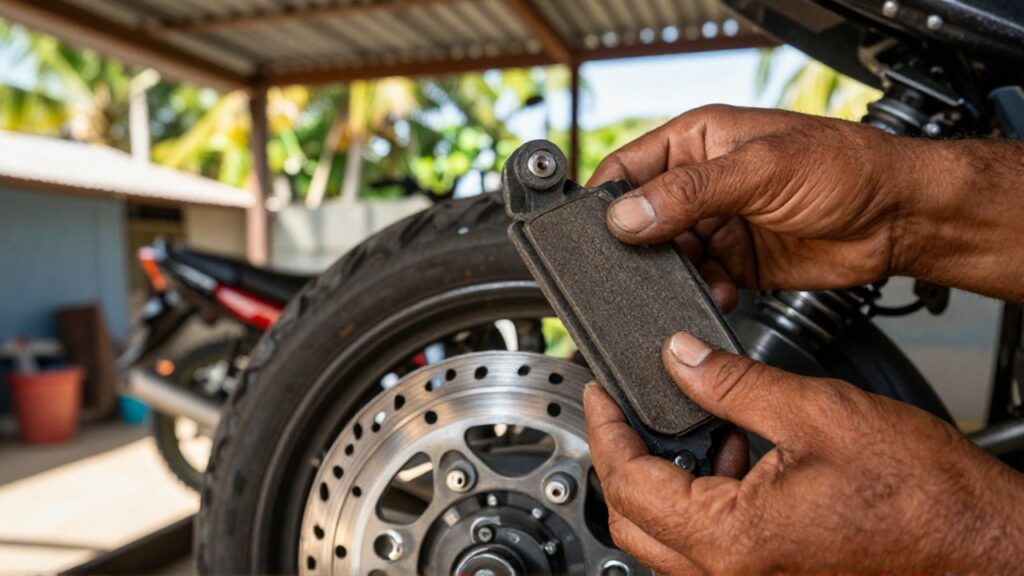
Motorcycle brake pads are critical components of your braking system, responsible for creating the friction necessary to slow down or stop your vehicle. Because motorcycles rely heavily on precise braking control for stability, the condition of these pads directly impacts your ability to react to sudden hazards on the road. Neglecting them can lead to increased stopping distances, reduced lever feel, and potential damage to more expensive components like the brake rotors.
Knowing when to replace your brake pads is not just a matter of routine maintenance; it is a fundamental aspect of road safety. In tropical climates or urban environments with frequent stop-and-go traffic, brake pads may wear down faster due to heat and constant use. By recognizing the early warning signs and understanding the physical limits of the material, riders can ensure their motorcycle remains reliable and safe under all riding conditions.
Signs of worn brake pads
Identifying brake pad wear requires a combination of sensory observation and visual inspection. One of the most common indicators is a noticeable change in the sound your motorcycle makes during deceleration. If you hear a high-pitched squealing or a grinding metallic noise, it often means the friction material has worn away, leaving the metal backing plate to rub against the disc.
Another sign is a change in the tactile feel of the brake lever or pedal. If the lever feels "spongy" or requires much more force than usual to achieve a stop, the pads might be too thin to provide effective pressure. You may also notice that your stopping distance has increased significantly. If you find yourself braking earlier than typical to avoid collisions, your pads are likely reaching the end of their service life.
Visual inspection techniques
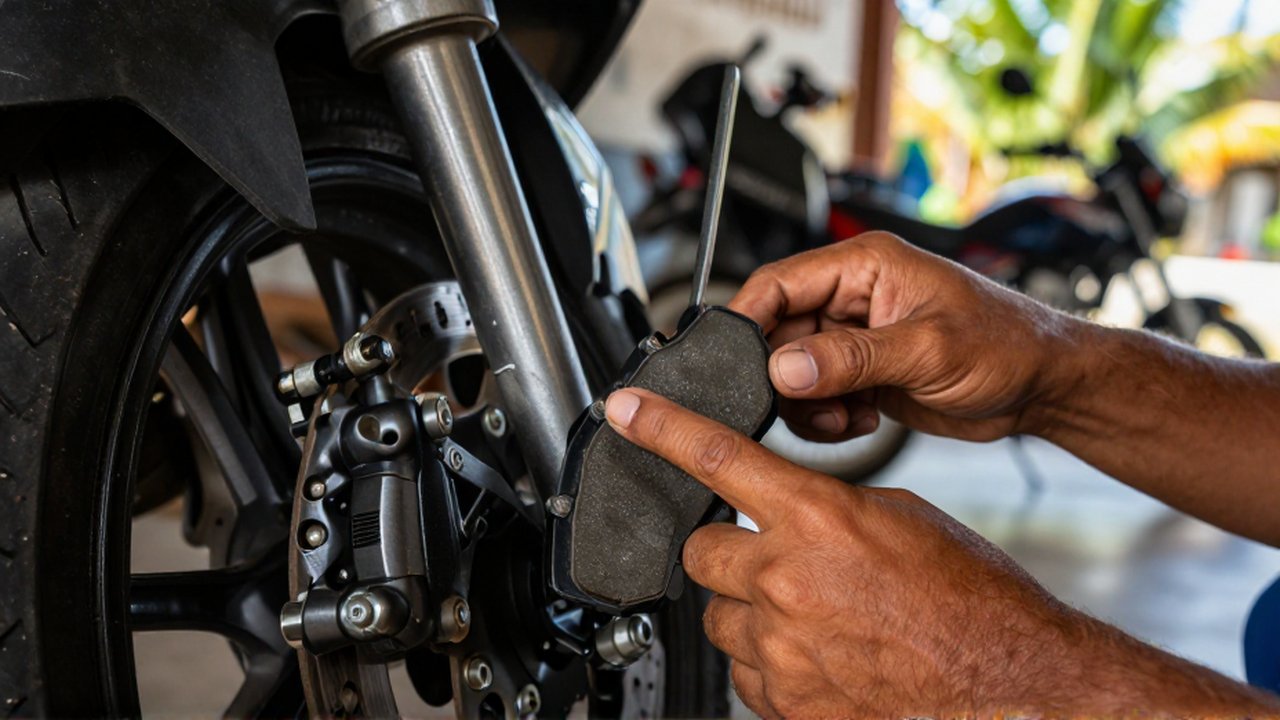
A visual check is one of the most effective ways to determine if replacement is necessary. For motorcycles equipped with calipers that allow it to, you should look directly at the thickness of the friction material. Most pads have a minimum thickness threshold; once the material reaches this point, they must be replaced immediately.
You can also look for the presence of wear indicators. Many high-quality brake pads feature small grooves or metal tabs designed to make noise or provide a visual cue when the pad is thin. If these grooves have disappeared or the tabs are making contact with the rotor, the pads are spent. Additionally, check for uneven wear patterns. If one side of the pad is significantly thinner than the other, it may indicate a sticking caliper rather than simple wear, which requires professional attention.
Impact of riding environments on wear
The environment in which you ride plays a massive role in how quickly your brake pads degrade. In regions with high temperatures and humidity, the heat generated during braking can affect the composition of the pad material over time. Frequent heavy braking, such as navigating tight urban streets or descending steep hills, accelerates the thinning of the friction material.
| Riding Condition | Effect on Brake Pads |
|---|---|
| Heavy City Traffic | High wear due to frequent stop-and-go cycles |
| Mountainous Terrain | Increased heat buildup from constant braking |
| Dusty/Sandy Environments | Abrasive particles can accelerate friction material loss |
| High-Speed Touring | Higher kinetic energy requires more friction per stop |
Riders in tropical or coastal areas should be especially vigilant about debris. Sand and grit can get trapped between the pad and the rotor, acting like sandpaper and grinding the material down much faster than usual.
Risks of delaying replacement
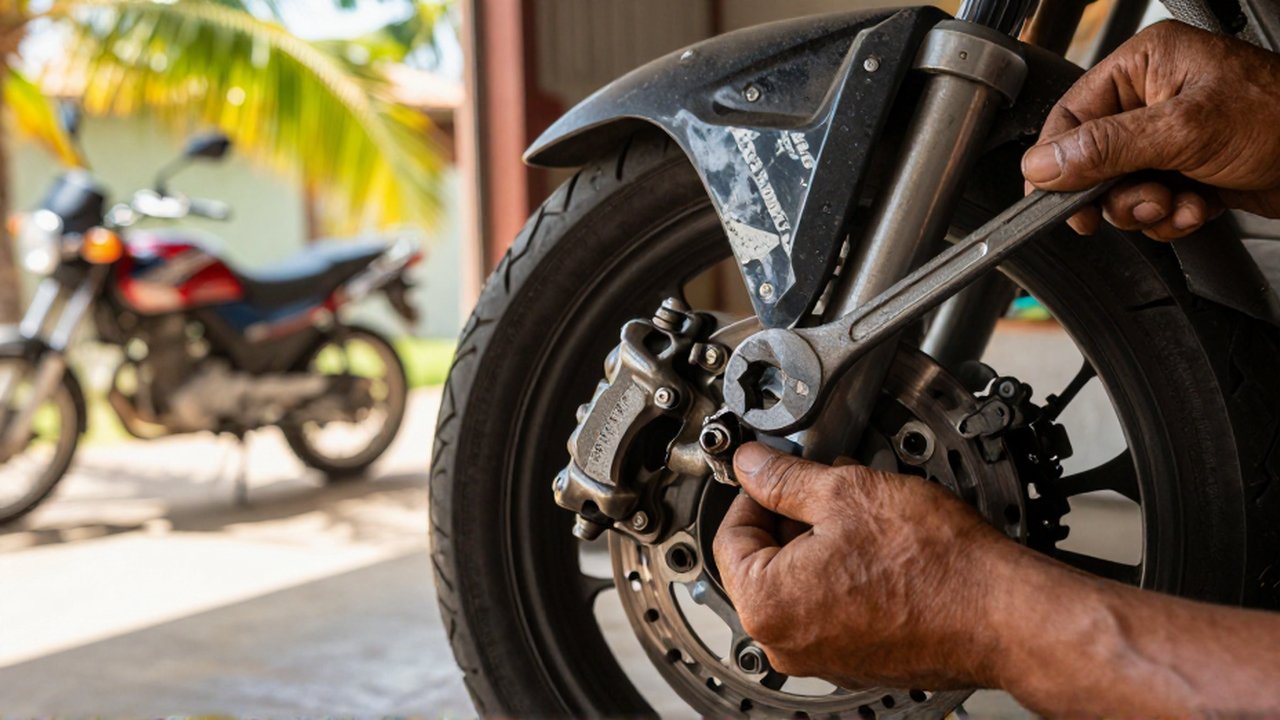
Continuing to ride with worn brake pads carries several significant risks. The most immediate danger is the loss of stopping power. In an emergency situation, the difference between stopping in time and a collision often depends on the integrity of the braking system. If the pads are too thin, the heat dissipation is compromised, which can lead to brake fade—a condition where the brakes lose effectiveness due to overheating.
Furthermore, delaying maintenance can lead to much higher repair costs. When the friction material is completely gone, the metal backing of the pad will contact the brake rotor. This causes deep grooves and scratches in the rotor, often necessitating a full rotor replacement in addition to new pads. In some cases, severe neglect can even lead to caliper damage or brake fluid overheating, complicating the entire system.
Common maintenance mistakes
A frequent mistake among riders is relying solely on a "feeling" rather than performing physical inspections. Because brake systems are designed to provide significant deceleration, a rider might subconsciously compensate for weak brakes by applying more pressure, only realizing there is a problem when it is too late.
Another error is ignoring the condition of the brake fluid. While the pads provide the friction, the hydraulic fluid transmits the force. If the fluid is old or contaminated, it won't matter how much friction material is left on the pads; the braking performance will remain poor. Finally, many riders attempt to save money by using low-quality, unbranded pads. While cheaper, these often have poor heat resistance and wear down much faster than regulated, high-quality components.
Frequently asked questions
How often should I check my brake pads? It is recommended to perform a visual inspection every few months or during every routine oil change/maintenance interval. If you ride in heavy traffic or mountainous areas, check them more frequently.
Can I tell if my pads are worn without taking the bike apart? Yes, you can often see the thickness through the caliper windows or by looking at the brake disc. You should also listen for squealing noises and pay attention to changes in lever feel.
Is it safe to ride with slightly worn pads? If the pads still have adequate thickness and the brakes perform predictably, it is safe for a short period. However, once you hear grinding or experience significant lever movement, you should stop riding immediately.
Why do my brakes make a squeaking sound? Squeaking can be caused by several factors, including dust buildup, glazed pads from overheating, or the pads reaching their wear limit. A professional inspection can determine the exact cause.
Leave a Reply