
Effects of low brake fluid on vehicle safety
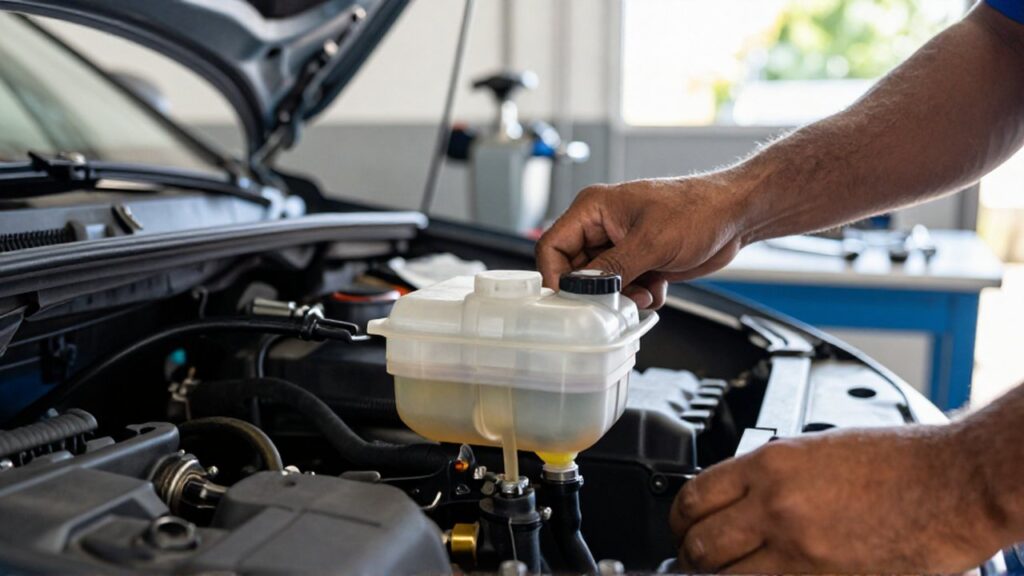
Introduction
Brake fluid is a critical component of a vehicle's hydraulic braking system, acting as the medium that transmits force from the brake pedal to the calipers or wheel cylinders. When you press the pedal, the fluid ensures that pressure is distributed evenly across all wheels to decelerate the vehicle effectively. Maintaining an adequate level of this fluid is a fundamental aspect of vehicle maintenance, essential for ensuring that the mechanical components react immediately and predictably to driver input.
Neglecting the fluid level can lead to severe consequences, ranging from a noticeable change in pedal feel to a complete loss of stopping power. In high-temperature environments, such as the tropical climate of the Dominican Republic, the integrity of the fluid is even more vital, as heat can affect the system's performance. Understanding the risks associated with low brake fluid is key to preventing accidents and ensuring the safety of all passengers on the road.
Risks of reduced braking performance
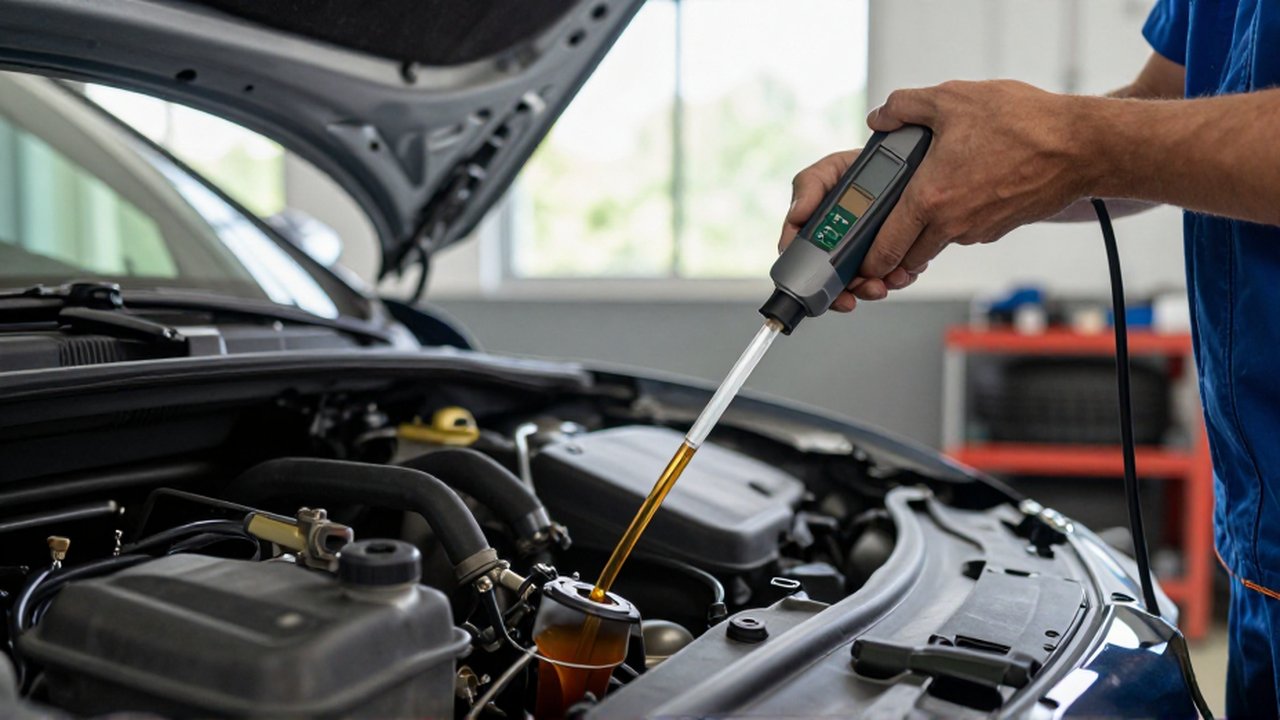
The primary danger of low brake fluid is the loss of hydraulic pressure. Because hydraulic systems rely on an incompressible liquid to transfer force, any significant air or lack of volume in the lines will compromise the system. When the fluid level drops below a certain threshold, air may enter the brake lines. Unlike liquid, air is compressible, meaning that instead of the energy from your foot moving the brake pads, the energy is wasted compressing the air bubbles.
This phenomenon is commonly known as a spongy or soft brake pedal. Drivers may find that they have to press the pedal much closer to the floor to achieve any braking effect. In extreme cases, the pedal may sink all the way to the floor without providing any resistance, a condition that results in an almost immediate loss of braking ability. This lack of responsiveness significantly increases stopping distances, making it impossible to avoid obstacles or react to sudden traffic changes.
Impact of moisture and air in the system
Low fluid levels are often a symptom of a deeper issue, such as a leak or excessive wear on the brake pads. However, even if the volume seems sufficient, the quality of the fluid plays a massive role in safety. Brake fluid is hygroscopic, meaning it naturally absorbs moisture from the air over time. When fluid levels are low or the fluid is old, the concentration of moisture can increase relative to the remaining fluid.
Water in the brake system introduces two major risks. First, water has a much lower boiling point than brake fluid. During heavy braking, such as descending a steep hill, the heat generated can cause the moisture to turn into steam. This creates gas pockets in the lines, causing the same "spongy" failure mentioned earlier. Second, moisture promotes internal corrosion within the metal lines and cylinders, which can lead to permanent damage to the braking hardware and eventual systemic failure.
Signs of low brake fluid levels
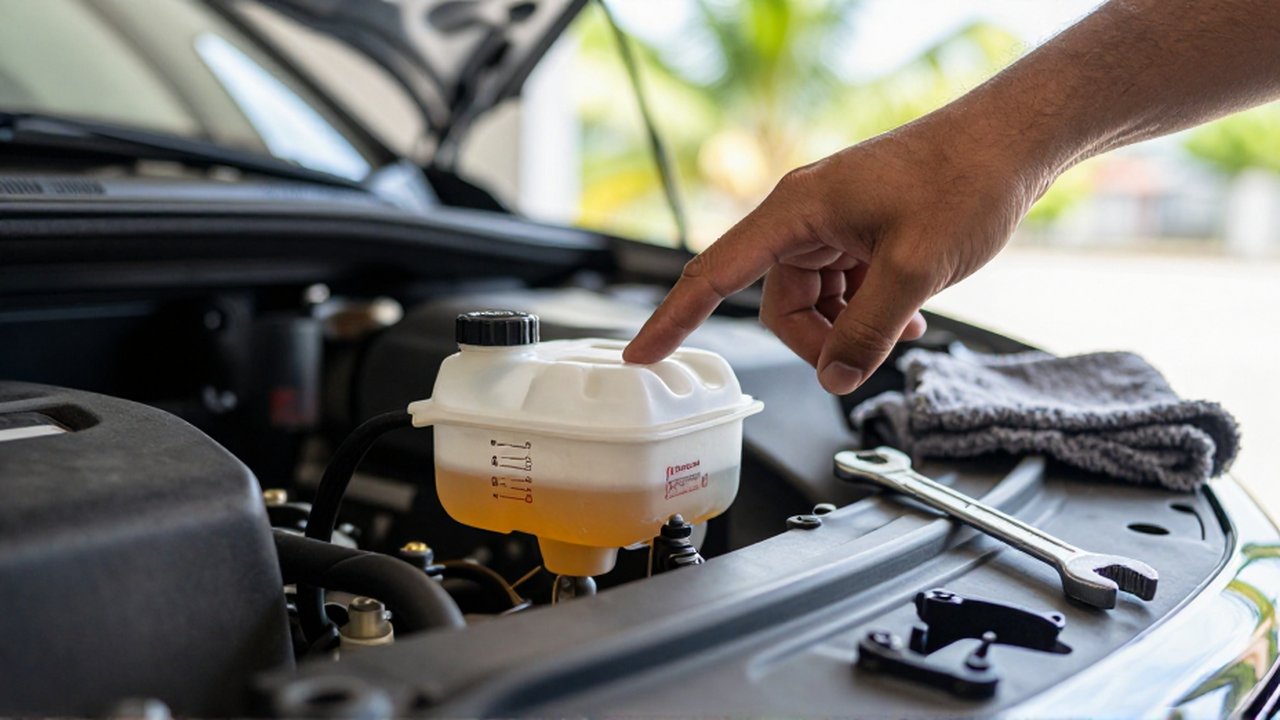
Recognizing the early warning signs of a failing hydraulic system can prevent a catastrophic accident. Drivers should remain vigilant for several specific indicators:
- Warning lights: Most modern vehicles are equipped with a brake system warning light on the dashboard that illuminates if the fluid level drops below a safe limit.
- Changes in pedal feel: If the brake pedal feels unusually soft, springy, or requires more effort than usual to stop the car, the fluid level or quality is likely compromised.
- Visible leaks: Puddles of clear or amber-colored oily liquid under the vehicle, especially near the wheels or the master cylinder, indicate a leak.
- Warning sounds: Squealing or grinding noises might indicate worn pads, which causes the fluid level to drop as the calipers extend further to compensate for the thin material.
Maintenance and prevention strategies
To ensure consistent safety, regular inspections of the brake fluid reservoir should be part of a routine maintenance schedule. Checking the fluid level while the vehicle is on level ground is the most accurate method. If the level is low, it is imperative to investigate the cause before simply topping it up, as a low level usually indicates a leak or excessive brake pad wear that needs professional attention.
Periodic fluid changes are also recommended. Replacing the old fluid prevents the buildup of moisture and contaminants that can degrade the system. Additionally, ensuring that the brake lines are free from corrosion and that all seals are intact will help maintain the pressure necessary for reliable stopping power.
Frequently asked questions
Can I use any type of fluid to top up my brakes? No, you must use the specific type of brake fluid recommended by the vehicle manufacturer, such as DOT 3, DOT 4, or DOT 5.1. Using the wrong type can cause chemical reactions that damage the seals and compromise the system.
Why does my brake pedal feel soft even if the fluid is full? A soft pedal can be caused by air trapped in the brake lines, moisture contamination within the fluid, or worn-out components like the master cylinder or brake hoses.
Does the heat of a tropical climate affect brake fluid? Yes, higher ambient temperatures and heavy usage in heat can accelerate the degradation of brake fluid and increase the risk of moisture-related boiling issues.
What should I do if my brake warning light comes on while driving? You should pull over safely as soon as possible and avoid driving the vehicle. A brake warning light indicates a potentially life-threatening loss of braking capability that requires immediate professional inspection.
Leave a Reply