
Common mechanical problems caused by high humidity
Introduction
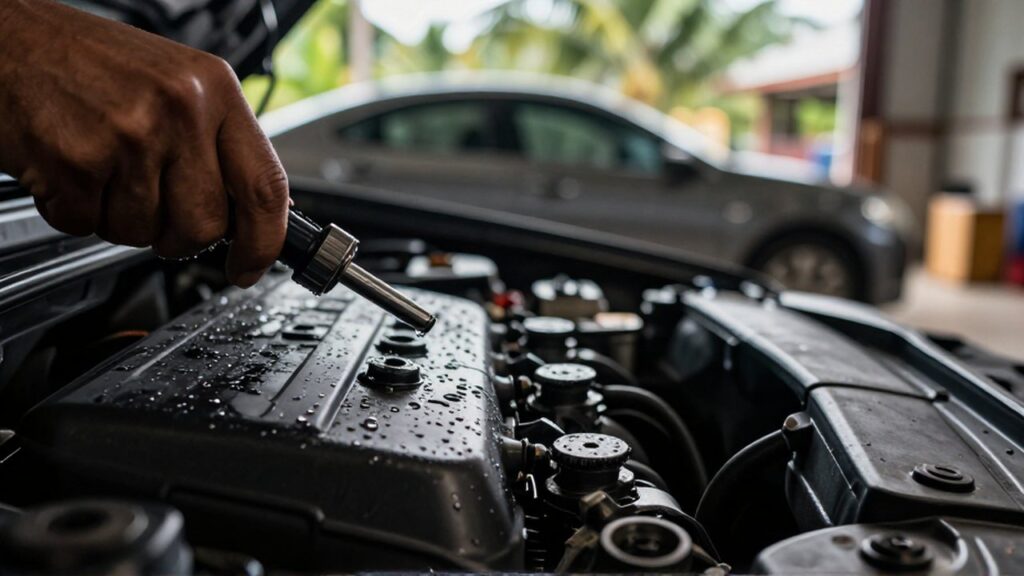
High humidity levels, especially in tropical environments, can significantly impact the longevity and performance of a vehicle. When moisture remains trapped in the air or accumulates on metal surfaces, it initiates chemical reactions that can degrade various mechanical and electrical components. Understanding how moisture affects your vehicle is essential for preventing costly repairs and ensuring consistent reliability.
This phenomenon is particularly relevant for drivers living in coastal or tropical regions where the air is constantly saturated with water vapor. This moisture does not just sit on the surface; it penetrates sealed compartments, seeps into electrical connectors, and can even contaminate fluids. Recognizing the early signs of humidity-related damage allows for proactive maintenance, transforming a potentially catastrophic failure into a simple routine check.
Corrosion and oxidation of metal components

One of the most visible effects of high humidity is the accelerated oxidation of metallic parts. When water molecules interact with iron and steel, they facilitate a process known as rusting. This process is highly aggressive in humid climates because the moisture acts as a continuous catalyst for the chemical reaction.
Brake systems are particularly vulnerable to this issue. The brake rotors and drums are exposed to the atmosphere, and even a few days of high humidity can lead to a thin layer of surface rust. While light surface rust can often be cleared by initial braking, prolonged exposure can lead to pitting and structural degradation. This increases the risk of reduced braking efficiency and irregular vibrations during deceleration.
Furthermore, the chassis and suspension components are at risk. If the protective coatings or underbody seals are compromised, humidity can cause deep-seated corrosion in critical areas such as frame rails, control arms, and exhaust systems. This not only weakens the structural integrity of the vehicle over time but can also lead to the seizing of bolts and fasteners, making future mechanical repairs much more difficult and expensive.
Electrical system failures and sensor malfunctions
Modern vehicles rely heavily on electronic control units (ECUs) and a vast network of sensors to manage everything from engine timing to fuel injection. High humidity creates a significant risk for these sensitive components through two main avenues: condensation and moisture ingress.
Condensation occurs when temperature fluctuations cause water vapor to turn into liquid droplets inside sealed compartments. If moisture accumulates within electrical connectors or fuse boxes, it can lead to short circuits or "phantom" electrical issues. These problems are often difficult to diagnose because they may only appear during specific weather conditions or times of the day.
Corrosion on electrical terminals and ground connections is another major concern. As moisture penetrates the wiring harness, it can cause a buildup of oxidation on the copper or aluminum contacts. This increases electrical resistance, leading to voltage drops that can cause sensors to send incorrect data to the engine computer. Common symptoms include erratic idling, poor fuel economy, or the sudden illumination of the check engine light.
Contamination of critical automotive fluids

Humidity does not only affect the exterior of the vehicle; it can also penetrate the internal systems through breathers and seals. This leads to the contamination of vital fluids, which can have devastating effects on engine and transmission longevity.
The most common issue is moisture accumulation in the engine oil and transmission fluid. As the vehicle operates and cools, small amounts of moisture-laden air can be drawn into the crankcase. In extreme cases, this moisture mixes with the oil to form a milky, emulsion-like substance. This contaminated oil loses its lubricating properties, significantly increasing friction and wear on moving parts like bearings, pistons, and camshafts.
The braking system is also at risk through the hygroscopic nature of brake fluid. Brake fluid is designed to absorb small amounts of moisture, but in high-humidity environments, it can absorb water much faster than intended. As the water content rises, the boiling point of the fluid decreases. Under heavy braking, the water can turn into steam, creating air pockets in the lines that result in a "spongy" brake pedal and a dangerous loss of hydraulic pressure.
Preventive maintenance and protection strategies
To mitigate the risks posed by high humidity, drivers should adopt specific maintenance habits focused on moisture control and protection. Regular inspections and the use of appropriate chemical barriers can significantly extend the life of mechanical parts.
Effective strategies include:
- Frequent fluid testing: Regularly checking the moisture content in brake fluid and monitoring the color and consistency of engine oil.
- Applying protective coatings: Using high-quality anti-corrosion sprays on the underbody and suspension components to provide a barrier against moisture.
- Electrical contact cleaners: Using specialized dielectric grease in electrical connectors to seal them against moisture and prevent oxidation.
- Regular cleaning: Washing the undercarriage to remove salt and corrosive contaminants that are often carried by humid, coastal air.
Frequently asked questions
How can I tell if my engine oil is contaminated with water? Check the underside of the oil filler cap and the dipstick. If you see a milky, creamy, or light-brown substance that looks like mayonnaise, it is a strong indicator that moisture has mixed with the oil.
Does high humidity affect my car even if it is parked in a garage? Yes, if the garage is not climate-controlled, humidity can still accumulate. In some cases, enclosed spaces can actually trap moisture, leading to higher levels of condensation on the vehicle's surface.
How often should I replace my brake fluid in humid climates? While manufacturer intervals vary, drivers in high-humidity areas should consider testing the moisture content of their brake fluid annually and replacing it more frequently to ensure consistent braking performance.
Can humidity cause my car to stall or misfire? It is possible. Moisture in the spark plug wells or degraded electrical connections in the ignition system can cause misfires, which may lead to irregular engine performance or stalling.
Leave a Reply