
How to choose the right oil filter for cars
Introduction
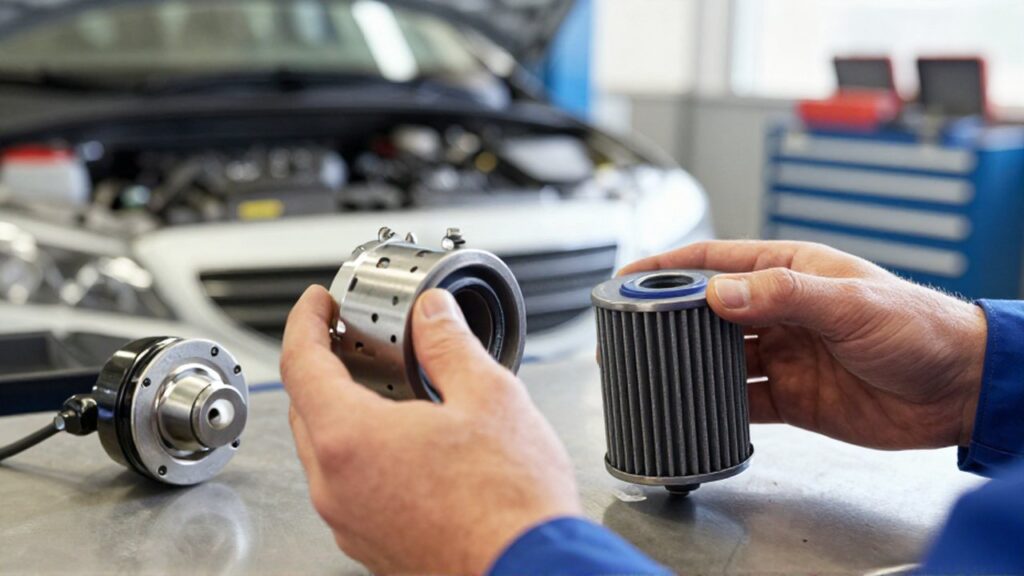
An oil filter is one of the most critical components in an internal combustion engine. Its primary function is to capture microscopic contaminants, such as metal shavings, carbon deposits, and dirt, that circulate within the engine oil. By removing these particles, the filter prevents abrasive wear on vital components like pistons, bearings, and camshafts, ensuring the engine operates smoothly and maintains its efficiency over time.
Choosing the correct filter is not merely a matter of finding something that fits the threads of the engine block. It involves understanding the specific filtration requirements, flow rates, and build quality necessary to protect your vehicle. Using an incorrect or low-quality filter can lead to restricted oil flow, insufficient lubrication, or even catastrophic engine failure if the filter bypass valve fails to function correctly.
Regularly replacing your oil filter during every oil change is essential for vehicle longevity. Because the filter eventually becomes saturated with debris, its ability to clean the oil diminishes. Selecting the right replacement ensures that your engine remains protected against the harsh conditions of daily driving, especially in environments with high temperatures or varying road conditions.
Importance of filtration quality and specifications
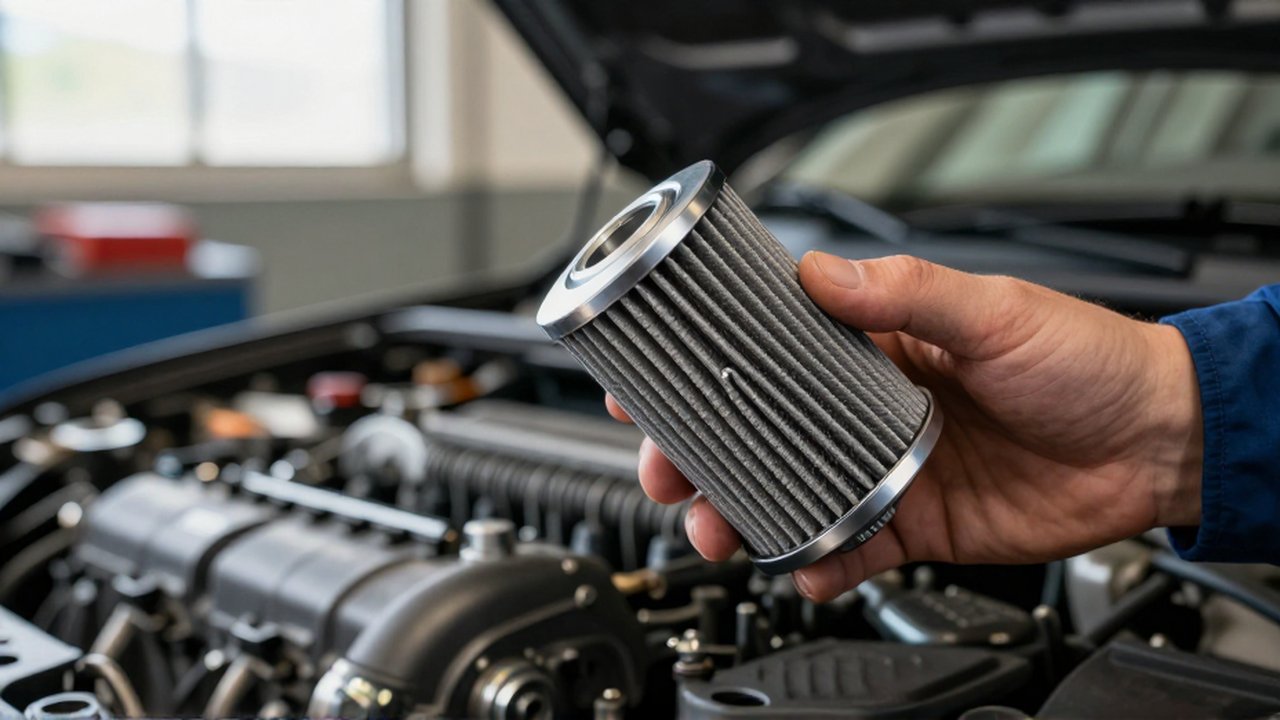
Not all oil filters are created equal. The quality of a filter is determined by its construction and the efficiency of its filtration media. The media is the material inside the canister that actually traps the contaminants. High-quality filters often use synthetic blends or specialized paper designed to catch smaller particles without restricting the flow of oil to the engine.
One critical specification to understand is the micron rating. A micron is a unit of measurement used to describe the size of the particles the filter can trap. A lower micron rating means the filter can catch smaller particles, providing superior protection. However, if the micron rating is too low for a specific engine design, it might cause excessive pressure drops, which can be just as damaging as unfiltered oil.
The build quality of the canister and the internal components also matters. A robust filter will have a strong housing that can withstand the high pressures generated within the engine lubrication system. Additionally, the quality of the rubber gasket is vital; a well-made gasket ensures a tight seal, preventing oil leaks that could lead to low oil pressure warnings or messy engine bays.
Key criteria for making a selection
To choose the right filter, you must align the product's technical specifications with your vehicle's manufacturer requirements. The most effective way to ensure compatibility is to follow these criteria:
- Vehicle Compatibility: Always verify that the filter is specifically designed for your car's make, model, year, and engine size. Manufacturers often have specific requirements for thread size, diameter, and sealing surface.
- Bypass Valve Functionality: Every oil filter has a bypass valve. This valve is a safety mechanism that allows oil to flow through the filter even if it becomes completely clogged. If the filter is poor quality, the valve may fail, or it may open too early, allowing unfiltered oil to circulate.
- Anti-Drainback Valve: This component prevents oil from draining out of the filter when the engine is turned off. A high-quality anti-drainback valve ensures that there is immediate oil pressure upon restarting the engine, preventing "dry starts" which cause significant wear.
- Filtration Media Type: Decide whether you need a standard cellulose (paper) filter or a more advanced synthetic media filter. Synthetic filters generally offer better durability and higher filtration efficiency, which may be preferable for high-performance engines or long-drain intervals.
Common mistakes to avoid during replacement

A frequent error among vehicle owners is selecting a filter based solely on price. While budget-friendly options are tempting, an inexpensive filter often uses inferior media and lower-quality gaskets. Over time, the risk of engine damage far outweighs the initial savings of a cheap filter.
Another common mistake is using a "universal" filter that loosely fits the threads but does not meet the specific flow rate requirements of the engine. The engine's oil pump is calibrated to move oil through a filter of a specific resistance. If the filter provides too much resistance, the engine may suffer from inadequate lubrication under heavy loads.
Finally, always remember to lubricate the new filter's gasket with a small amount of fresh engine oil before installation. Installing a dry gasket can cause it to bunch up or tear during tightening, leading to immediate oil leaks. Additionally, never over-tighten the filter; most oil filters should be tightened hand-tight to ensure a proper seal without damaging the threads or the gasket.
Frequently asked questions
Can I use a different brand of filter if the size is the same? Yes, as long as the replacement filter meets or exceeds the original equipment manufacturer's (OEM) specifications for thread size, micron rating, and bypass valve pressure. It is always safest to check the manufacturer's compatibility guide.
How often should I change my oil filter? As a general rule, the oil filter should be replaced every time you change your engine oil. Following the manufacturer's recommended service interval is the best way to ensure engine health.
What is the difference between a spin-on filter and a cartridge filter? A spin-on filter is a self-contained metal canister that screws directly onto the engine. A cartridge filter is a replaceable element that sits inside a permanent housing on the engine. Both serve the same purpose, but the installation process differs.
Is a synthetic oil filter better than a standard one? In many cases, yes. Synthetic media filters generally offer better filtration efficiency and can last longer without clogging, which makes them a great choice for vehicles using synthetic oils or those requiring extended oil change intervals.
Leave a Reply