
Causes of squeaking noises when braking
Introduction
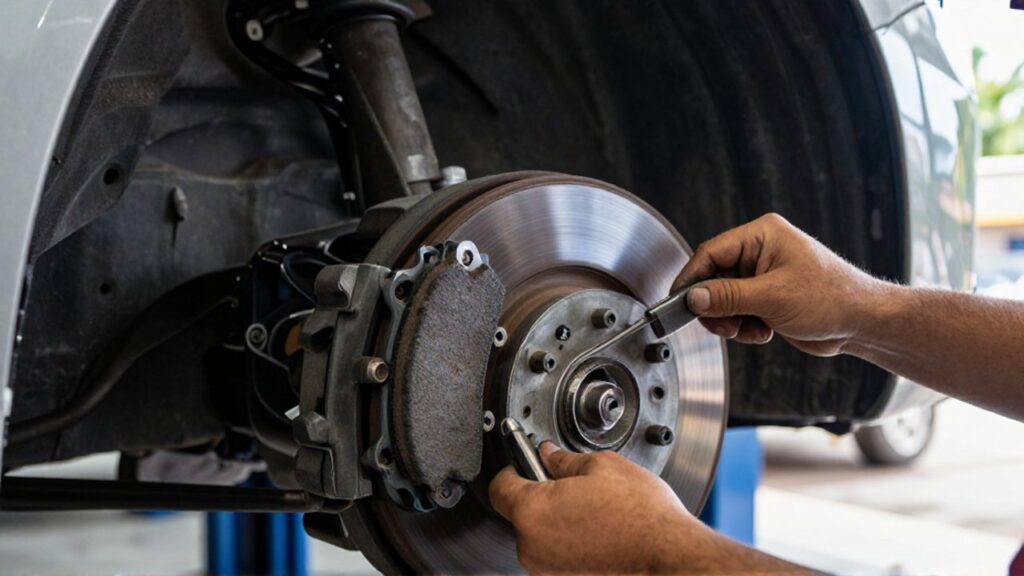
A squeaking noise during braking is one of the most common auditory signals a driver encounters. While some sounds are merely minor nuisances, others serve as critical warnings that the braking system is failing. Identifying the source and nature of these noises is essential for maintaining vehicle safety, preventing expensive component damage, and ensuring that the car can stop effectively in emergency situations.
Understanding why your brakes are squeaking allows you to distinguish between routine maintenance needs and urgent mechanical failures. In tropical climates, where humidity and heat can accelerate the wear of certain materials, paying close attention to these sounds is even more vital. This article explores the various technical and environmental reasons behind brake squeal to help you make informed decisions regarding your vehicle's upkeep.
Worn brake pads and wear indicators
One of the most frequent causes of high-pitched squealing is the presence of built-in wear indicators. Most high-quality brake pads are equipped with a small metal tab designed to scrape against the brake rotor when the friction material becomes dangerously thin. This intentional design serves as an early warning system.
When you hear a constant, rhythmic squeak specifically when applying the brakes, it often indicates that the pads have reached their service limit. If this sound persists even when you are not pressing the pedal, the indicator may be constantly contacting the rotor. Ignoring this sound can lead to metal-on-metal contact, which destroys the rotors and significantly increases stopping distances.
Glazed brake pads and rotors
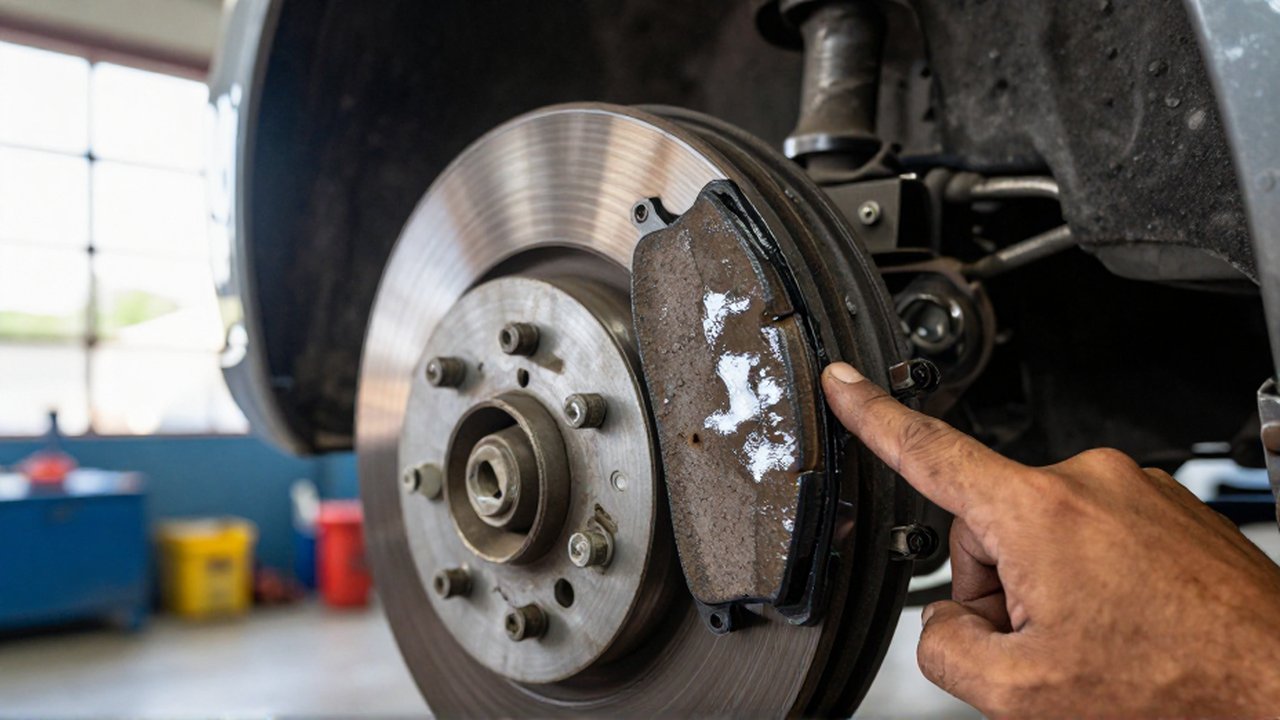
Brake glazing occurs when the surface of the brake pads or the rotors becomes excessively smooth and hard. This phenomenon is usually caused by overheating, which can happen due to heavy braking, driving down long descents, or aggressive driving styles. When the friction material overheats, the resins within the pad can melt and reform into a hard, glass-like layer.
This glazed surface lacks the necessary friction to grab the rotor smoothly, resulting in a high-frequency vibration that translates into a squeaking or screeching noise. While a simple replacement might be the easiest fix, sometimes resurfacing the rotors or using specialized cleaning products can restore proper friction, provided the damage is not too deep.
Contamination of braking components
The braking system relies on a clean interface between the pad and the rotor to function correctly. Contamination occurs when foreign substances settle on these surfaces. Common culprits include oil, grease, or brake fluid leaks. If a seal fails and allows fluid to seep onto the pads, the friction coefficient changes drastically, causing noise and reduced braking efficiency.
In some environments, even road debris or excessive dust can contribute to noise. If a substance makes it into the caliper assembly, it can create uneven pressure or interference. If you suspect contamination, it is crucial to inspect the master cylinder, brake lines, and calipers for leaks, as a simple cleaning may not solve a deeper mechanical issue.
Lack of lubrication on caliper hardware
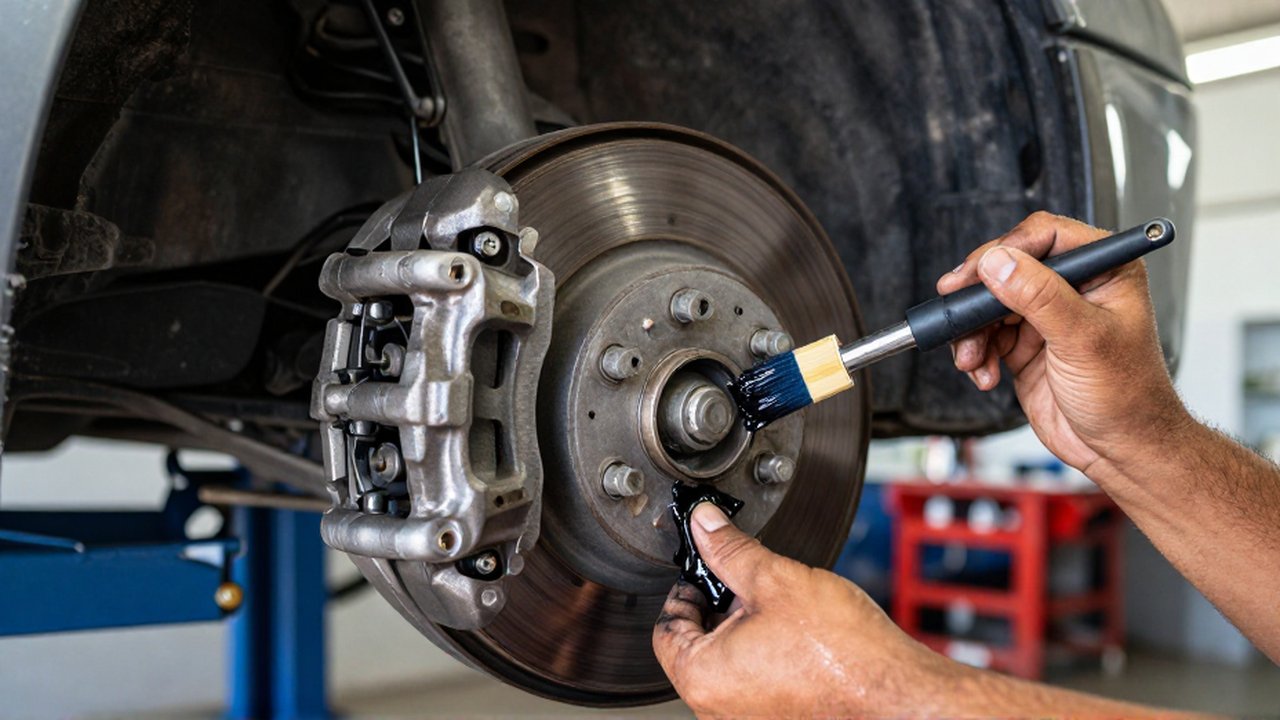
The braking process involves multiple moving parts that must slide freely to ensure even pressure. The caliper pins and the back of the brake pads require specific high-temperature lubricants to prevent vibration. If these components are dry or if the grease has been washed away by water and humidity, the metal parts may vibrate against one another.
This type of squeak is often characterized by a "chatter" or a sharp squeal that occurs at the moment the brakes are applied. Proper lubrication of the caliper slide pins and the contact points between the pad and the caliper ensures that the assembly moves smoothly and stays quiet.
Comparison of brake noises
| Noise Type | Likely Cause | Severity Level |
|---|---|---|
| High-pitched squeal | Worn pads (wear indicators) | Moderate to High |
| Grinding/Metal-on-metal | Completely worn pads | Critical |
| Chirping/Squeaking | Lack of lubrication or dust | Low to Moderate |
| Pulsating vibration + Noise | Warped rotors or glazing | Moderate |
Frequently asked questions
Is a squeaking brake sound always an emergency? Not always. A light squeak might indicate a need for upcoming maintenance, such as replacing worn pads. However, if the squeak is accompanied by grinding sounds, vibrations, or a soft brake pedal, you should stop driving and seek immediate professional inspection.
Can weather affect my brake noise? Yes. In humid or rainy conditions, a thin layer of surface rust can form on the rotors overnight. This often causes a squeaking or rubbing noise for the first few stops of the day, which typically disappears once the pads have cleaned the rotors.
Why do my brakes squeal only when I press the pedal? This usually indicates that the noise is related to the friction interface. It could be due to worn-out pads, glazed surfaces, or a lack of lubrication on the hardware that reacts specifically under the pressure of braking.
Does cleaning my rotors stop the noise? Cleaning can help if the noise is caused by surface dust or light contamination. However, if the noise is caused by worn-out pads or warped rotors, cleaning will only provide a very temporary solution and will not address the underlying mechanical issue.
Leave a Reply