Essential safety gear for driving in heavy rain
Introduction
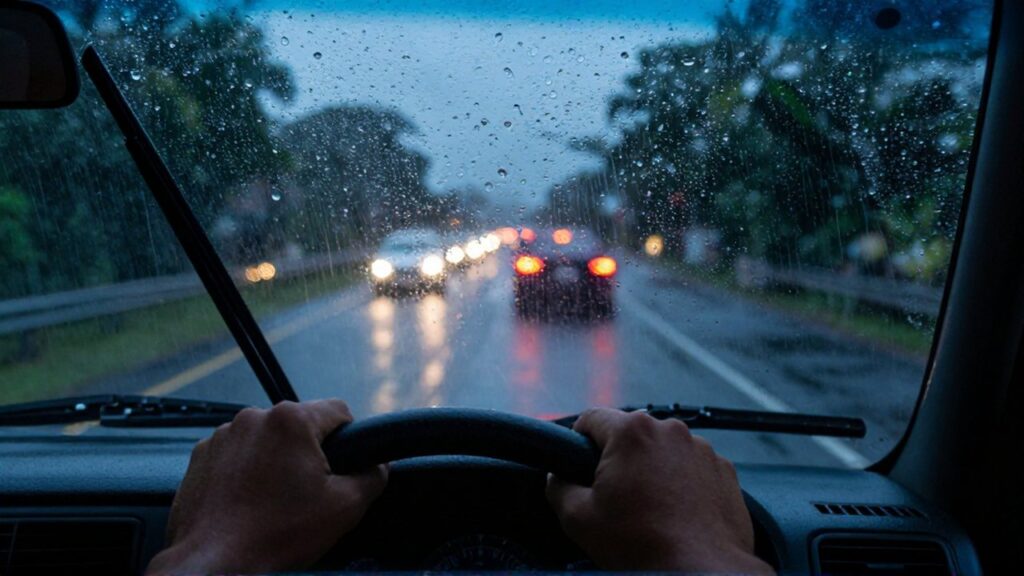
Driving during heavy rain presents significant challenges for motorists, primarily due to reduced visibility and compromised tire traction. In tropical regions like the Dominican Republic, sudden downpours can transform a standard commute into a high-risk situation within minutes. Understanding how to prepare for these conditions is vital for preventing hydroplaning, avoiding collisions, and ensuring that you can react effectively to unexpected road hazards.
Having the right safety gear is not just about comfort; it is about maintaining control over your vehicle and ensuring you can see and be seen by others. Proper equipment serves as your first line of defense against the elements, providing the tools necessary to mitigate the risks posed by water-logged roads and obscured lane markings.
By investing in and maintaining specific automotive tools and accessories, you significantly increase your chances of navigating a storm safely. This article outlines the essential items every driver should keep in their vehicle to manage heavy rainfall and protect themselves and their passengers.
Critical visibility equipment
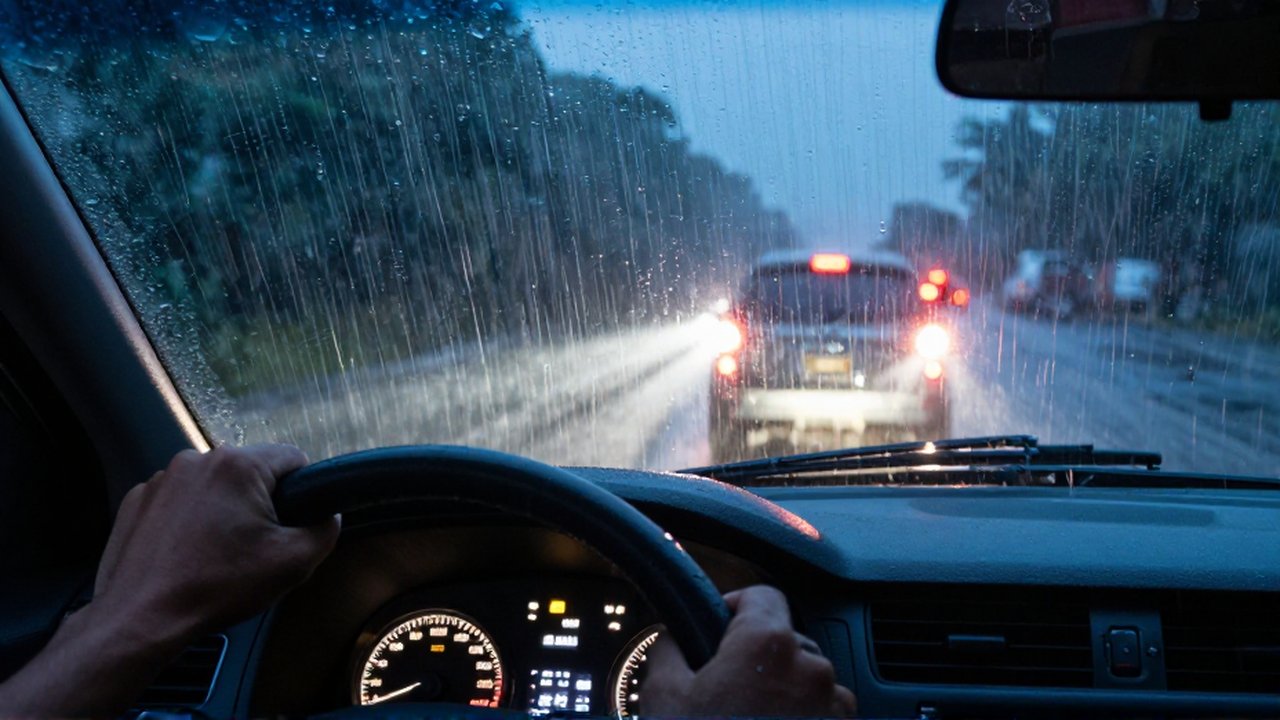
Visibility is the most significant factor in rain-related accidents. When raindrops coat the windshield and spray from other vehicles obscures your view, you must rely on high-quality equipment to maintain situational awareness.
The most important component is a set of high-performance windshield wiper blades. Wipers should be replaced regularly, as rubber degrades over time due to heat and sun exposure. When rain is heavy, worn blades will leave streaks or "chatter" across the glass, creating a dangerous blur.
Additionally, ensure your vehicle’s lighting system is fully functional. This includes:
- Headlights: These are essential not just to see the road, but to let other drivers see you.
- Fog lights: If equipped, these are highly effective at cutting through heavy spray and low-visibility mist.
- Tail lights and brake lights: Keeping these clean and functional ensures that drivers behind you can react to your speed changes.
A clear view also depends on internal cleanliness. A clean, streak-free windshield prevents glare from oncoming headlights, which is amplified during nighttime storms.
Essential maintenance items for traction
Traction is what keeps your vehicle connected to the pavement. During heavy rain, the risk of hydroplaning—where a layer of water builds up between the tires and the road surface—increases dramatically.
Your tires are your primary safety gear in this context. You must ensure they have adequate tread depth. Deep grooves in the tire pattern are designed to channel water away from the contact patch, allowing the rubber to stay in contact with the road. If your tread is shallow, the water cannot escape, and the vehicle will slide uncontrollably.
Regularly checking your tire pressure is also vital. Under-inflated tires can behave unpredictably in wet conditions, further reducing your ability to steer and brake effectively.
Emergency tools for wet weather situations
Even with the best equipment, heavy rain can lead to unexpected delays or mechanical issues. Being prepared for a "stuck" situation is a key part of driving safety.
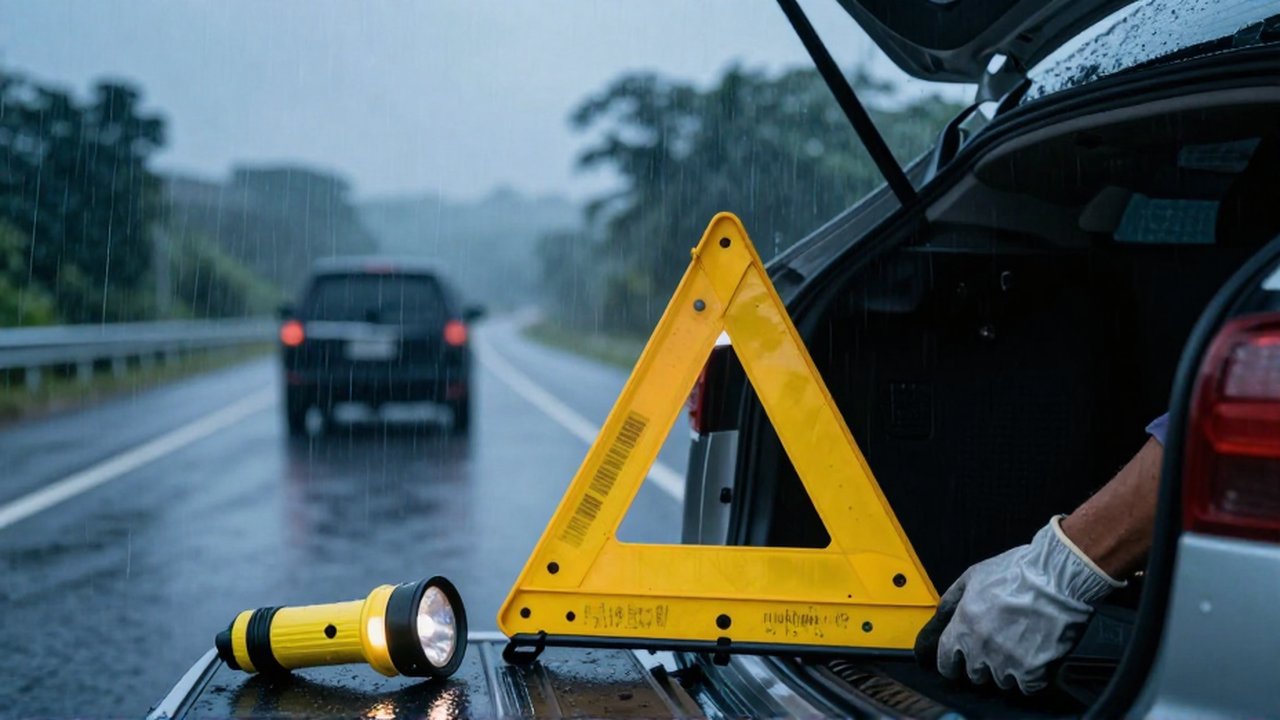
Keeping an emergency kit in your trunk is a standard recommendation for responsible drivers. In the context of heavy rain, your kit should include:
- High-visibility vest: If you must exit the vehicle due to a breakdown, you need to be visible to other drivers who may have limited sightlines.
- Flashlight with extra batteries: Essential for inspecting your vehicle or changing a tire during a storm.
- Waterproof containers: To keep documents and essential small tools dry.
- Basic first aid kit: For any minor injuries sustained during an emergency stop.
Furthermore, having a heavy-duty umbrella and a waterproof jacket ensures that if you are forced to step out of the car, you can do so without being incapacitated by the weather.
Common mistakes to avoid in heavy rain
Many drivers rely on instinct when the weather turns bad, but certain habitual behaviors can actually increase danger. One frequent mistake is turning on hazard lights while moving. Hazard lights are intended to signal that a vehicle is stationary or a temporary obstruction; using them while driving can confuse other motorists regarding your speed and direction.
Another mistake is over-reliance on automatic wipers. In sudden tropical downpours, manual adjustment is often necessary to keep up with the intensity of the rain. Relying on a slow sensor might leave you momentarily blinded.
Finally, avoid the temptation to speed. Many drivers believe they can "power through" a puddle or a heavy patch of rain, but this is often when hydroplaning occurs. Reducing speed is the most effective way to use the safety gear you have installed.
Frequently asked questions
How often should I change my windshield wipers? It is recommended to inspect them every few months and replace them at least once a year, or immediately if you notice streaking, squeaking, or skipping across the glass.
What should I do if my car starts to hydroplane? If you feel the steering go light, do not slam on the brakes. Instead, ease off the accelerator and keep the steering wheel straight until you feel the tires regain contact with the road.
Are fog lights better than high beams in heavy rain? Yes, fog lights are preferable. High beams can reflect off the rain droplets and create a "wall of white" glare, actually making it harder to see. Fog lights are positioned lower and help illuminate the road surface directly.
Can I use cruise control during heavy rain? It is generally not recommended. Cruise control can prevent you from feeling the subtle loss of traction that precedes a skid, making it harder to react to changing road conditions.
Leave a Reply