
Importance of high-visibility vests for night motorcycle riding
Introduction
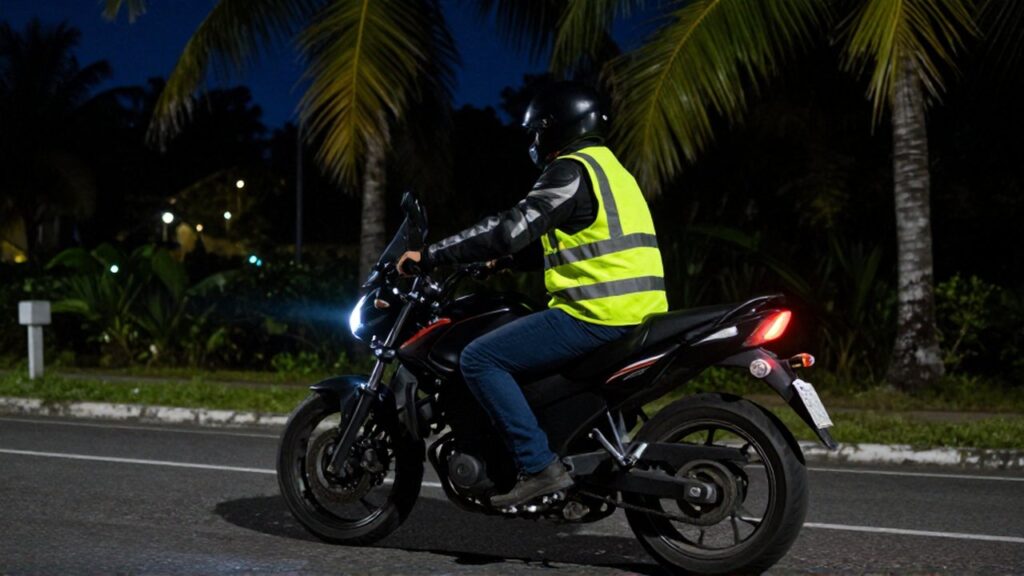
Nighttime motorcycle riding presents a unique set of challenges that significantly increase the risk of accidents. Because motorcycles have a smaller physical profile than cars, they are much harder for other drivers to detect in low-light conditions. High-visibility vests are specialized pieces of safety gear designed to mitigate this risk by making the rider stand out against dark backgrounds. These vests use fluorescent colors and retroreflective materials to ensure the rider is seen by others.
Using a high-visibility vest is essential whenever light levels drop, such as during dusk, dawn, or full darkness. For motorcyclists in tropical regions, where sudden rain showers can further decrease visibility and create glare, these accessories become even more vital. Wearing a vest is not just about following safety protocols; it is a proactive measure to ensure your presence is acknowledged by motorists long before a potential collision occurs.
Risks of low visibility during night riding
The primary danger of riding at night is the "conspicuity gap." Most vehicle drivers rely on peripheral vision and light detection to identify objects on the road. When a motorcyclist is dressed in dark clothing, they effectively blend into the shadows, asphalt, and nighttime environment. This makes it difficult for car drivers to judge the motorcycle's distance, speed, and lane position.
Without high-visibility gear, a rider may only become visible to a driver once they are within a very short distance, often leaving the driver with insufficient time to react or brake. This lack of early detection is a leading factor in side-impact collisions and rear-end accidents. By reducing the visual footprint of the motorcycle, riders inadvertently increase the likelihood of being overlooked during critical maneuvers, such as turning or changing lanes.
How high-visibility vests work
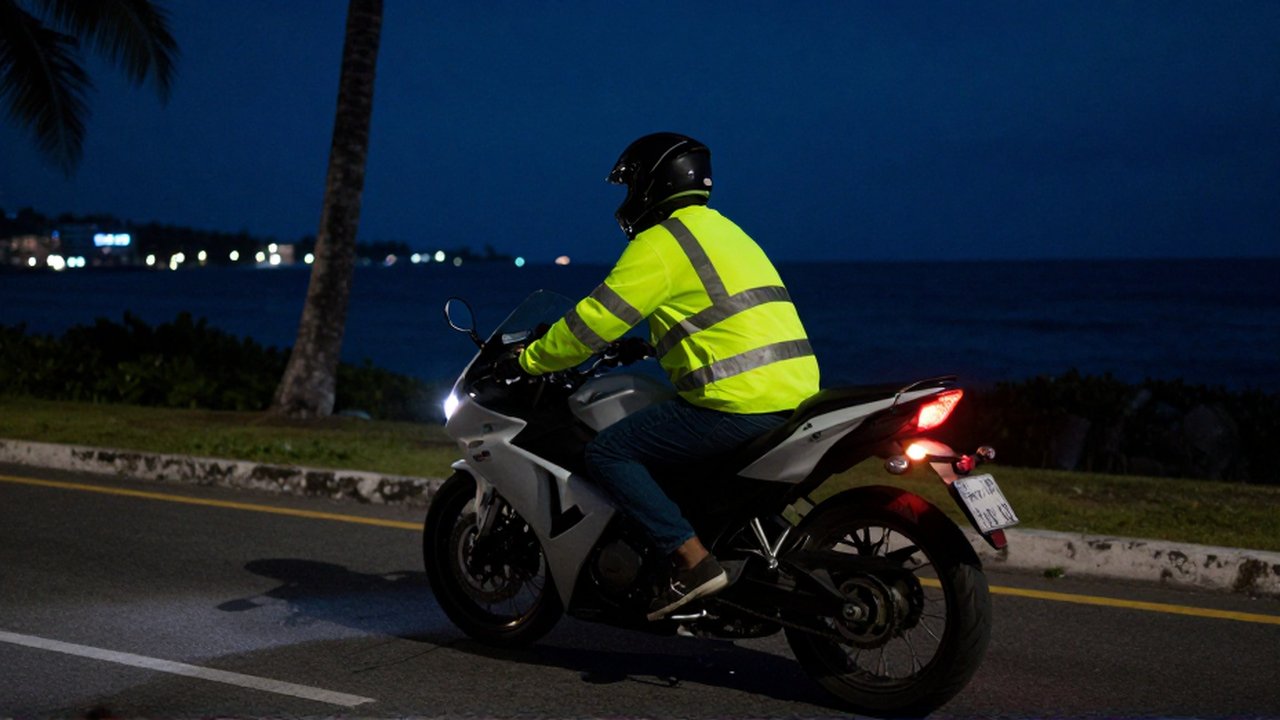
High-visibility vests rely on two specific optical principles to protect the rider: fluorescence and retroreflection. Understanding these helps in choosing the right equipment for different lighting conditions.
- Fluorescence: This involves the use of bright, neon-like colors—typically lime yellow or orange. These colors react to ultraviolet light (even from moonlight or streetlamps) to appear much brighter than they actually are. This helps with "daytime" or "twilight" visibility when ambient light is still present.
- Retroreflection: This is the ability of the material to reflect light directly back toward its source. When a car's headlights hit the reflective strips on a vest, the light bounces straight back to the driver's eyes. This makes the rider appear to "glow," providing a clear signal of their presence even in total darkness.
Benefits of wearing a safety vest
Integrating a high-visibility vest into your riding kit offers several practical advantages that go beyond simple aesthetics.
| Benefit | Description |
|---|---|
| Increased Reaction Time | Drivers notice the rider sooner, allowing them to adjust their speed or position. |
| Improved Lane Definition | Reflective strips help define the rider's silhouette, making their movements more predictable. |
| Weather Adaptability | Bright colors remain effective even during heavy tropical rain or fog. |
| Cost-Effective Protection | Vests are relatively inexpensive compared to the high cost of protective armor or medical expenses. |
Beyond these benefits, wearing a vest also helps other road users, such as pedestrians or cyclists, to identify that a motorized vehicle is approaching, which can prevent unexpected crossings.
Criteria for selecting the right vest
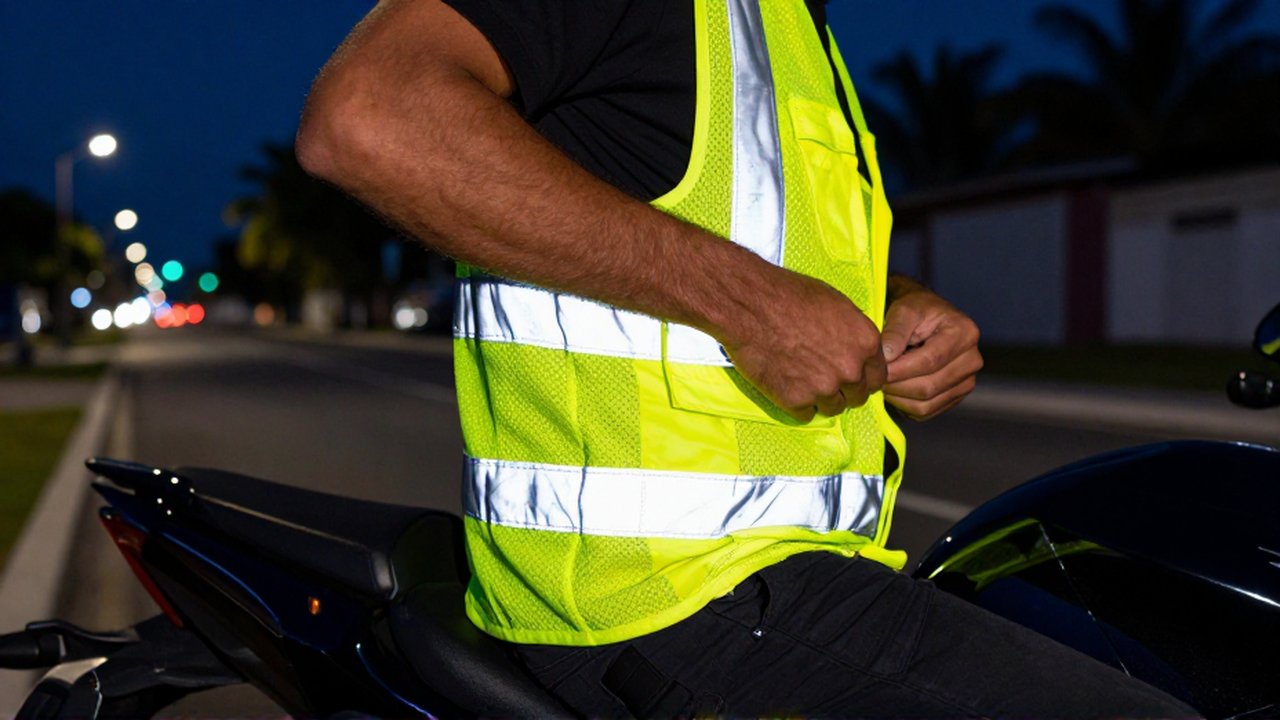
Not all high-visibility vests are created equal. To ensure maximum protection, riders should consider the following selection criteria:
Material Quality and Standards Look for vests that meet recognized safety standards for retroreflective properties. The strips should be durable and not peel off after a few uses due to humidity or cleaning.
Fit and Comfort A vest that is too loose may flap excessively in the wind, which is distracting and can cause discomfort at high speeds. Conversely, a vest that is too tight may restrict movement. It should be easily layered over your existing riding jacket.
Color and Contrast Fluorescent yellow-green is generally considered the most visible color to the human eye under most lighting conditions. Ensure the vest has a high contrast against the typical colors of the road and environment.
Integration with Other Gear Consider how the vest interacts with your helmet and gloves. A good vest should not interfere with your ability to move your arms freely or reach the motorcycle's controls.
Common mistakes to avoid
Many riders fall into habits that diminish the effectiveness of their safety gear. One common mistake is wearing a vest that is faded or dirty. Dirt, grease, and road grime can coat the reflective strips, significantly reducing their ability to bounce light back to drivers. Regular cleaning is necessary to maintain performance.
Another error is relying solely on the vest while wearing dark, non-reflective clothing elsewhere. While the vest is a powerful tool, full-body visibility is always superior. Additionally, some riders mistakenly believe that a vest makes them "invisible" to accidents; it is important to remember that a vest is a visibility aid, not a substitute for defensive driving and situational awareness.
Frequently asked questions
Can I wear a high-visibility vest over a heavy winter jacket? Yes, but ensure the vest is sized appropriately to allow for layering without restricting your range of motion or causing the vest to ride up.
How often should I replace my high-visibility vest? You should inspect it regularly. If the fluorescent color has faded significantly or the reflective strips have cracked, peeled, or become dull, it is time to replace it.
Is a vest enough to stay safe at night? A vest significantly increases your chances of being seen, but it should be part of a complete safety strategy that includes proper lighting on the motorcycle, helmet use, and defensive riding techniques.
Does rain affect the visibility of the vest? Rain can create a film on the surface that might slightly reduce effectiveness. However, the fluorescent colors and retroreflective strips are specifically designed to remain highly visible even in wet and misty conditions.
Leave a Reply