
Safety tips for driving motorcycles in Dominican flood zones
Introduction
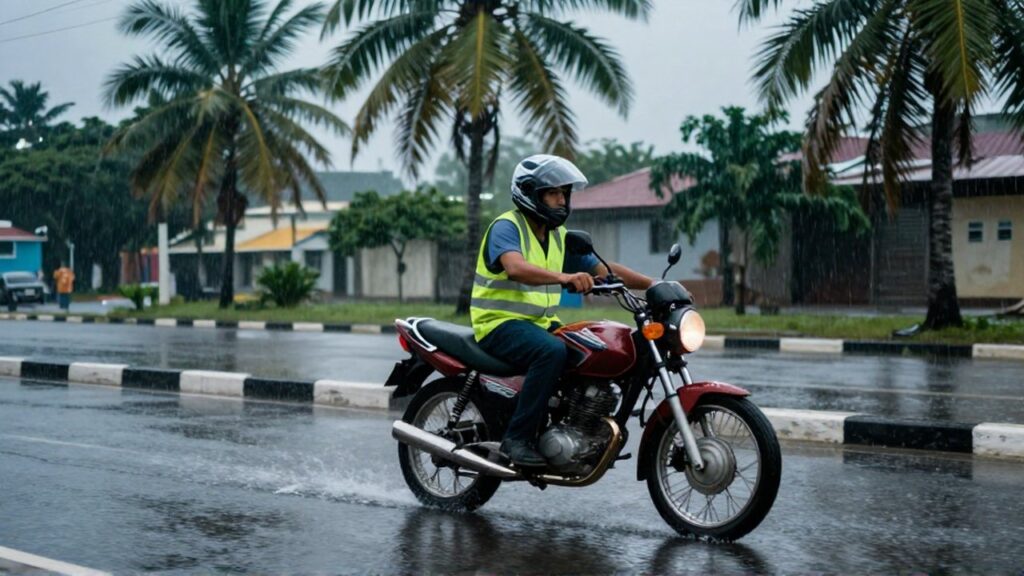
Driving a motorcycle in the Dominican Republic presents unique challenges, especially during the rainy season when tropical storms and localized flooding become common. Navigating flooded streets on two wheels requires heightened awareness, specialized knowledge, and a cautious approach to prevent mechanical failure or physical accidents. This guide provides essential safety protocols for motorcyclists to manage water-covered roads effectively.
Understanding the risks associated with flood zones is crucial for every rider. Flooding does not just impact visibility and traction; it can conceal deep potholes, debris, or open manholes that can lead to catastrophic falls. By following disciplined riding techniques and knowing when to avoid certain areas, riders can significantly reduce the likelihood of being stranded or injured during heavy rainfall.
Hazards of riding through standing water
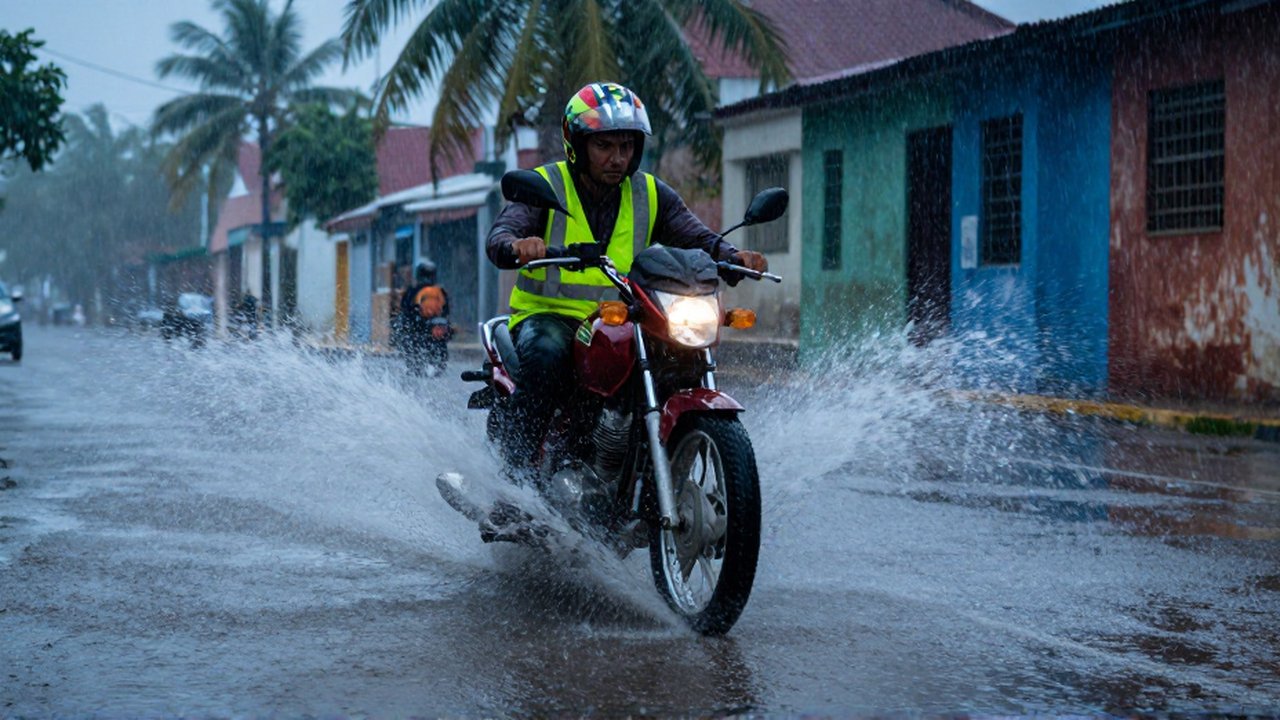
The primary danger when encountering flood zones is the lack of visibility regarding the road surface. Water obscures the true depth of puddles, making it impossible to distinguish between a shallow pool and a deep trench. In many Dominican urban areas, heavy rains can displace drainage covers or wash away portions of the asphalt, creating invisible traps for motorcyclists.
Beyond the terrain, water poses a severe threat to the motorcycle’s mechanical integrity. If water enters the air intake, it can cause hydrostatic lock, which instantly destroys the engine. Furthermore, water can penetrate electrical components, leading to short circuits or the sudden stalling of the engine in the middle of a hazard. Finally, the loss of traction is a constant concern, as wet surfaces are significantly more slippery, especially when combined with oil residues washed onto the road.
Essential techniques for navigating flooded areas
If you must navigate through a shallow flooded area, certain technical steps can help maintain control. First, always approach the water at a very low, steady speed. Increasing speed to "splash" through a puddle is a common mistake that creates a bow wave, which can actually push more water into the air intake or around the rider, destabilizing the bike.
Maintain a constant gear and a steady throttle. Avoid sudden braking or abrupt turns while in the water, as this can cause the tires to lose grip on the submerged surface. If you feel the motorcycle beginning to hydroplane or lose stability, do not panic; instead, gradually reduce the throttle and focus on maintaining a straight line until you regain traction.
Critical decision criteria for avoiding risks
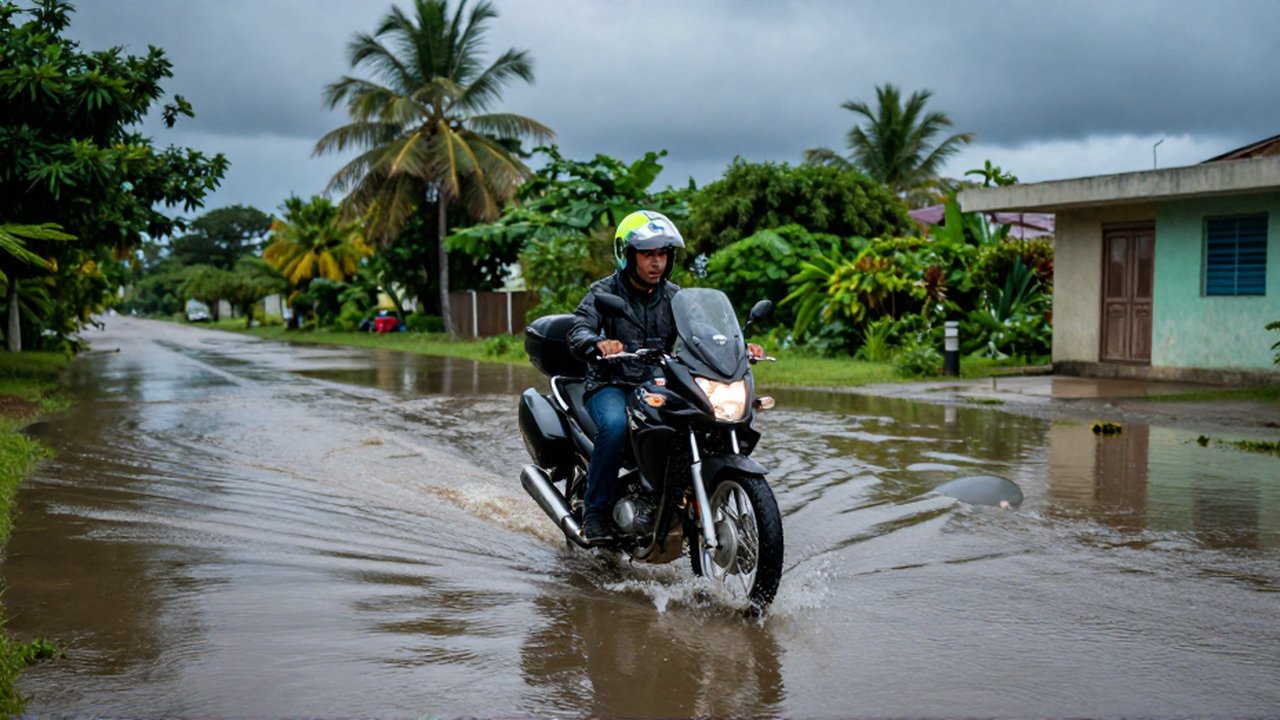
Deciding whether to proceed or turn back is the most important skill a rider can possess. Use the following criteria to assess the situation:
- Depth Assessment: If the water reaches the level of the exhaust pipe or the air filter, do not attempt to cross.
- Current Strength: Even a small amount of moving water can exert enough force to knock a motorcycle off balance. If the water is flowing visibly, seek an alternative route.
- Clarity of Water: Murky or muddy water is more dangerous than clear water because it hides obstacles. If you cannot see the bottom or the edges of the road, the risk of hitting a pothole is extreme.
- Visibility and Lighting: If the rain is so heavy that you cannot see the road ahead clearly, it is safer to stop in a secure, dry location rather than risking a collision.
Post flood riding maintenance
After riding through wet or flooded conditions, it is vital to perform a basic inspection to ensure the vehicle remains in good working order. Water, especially if it contains salt or sediment from the street, can accelerate corrosion and damage sensitive parts.
Check the brakes immediately by applying them gently while riding at low speeds to dry them out. Inspect the chain for any signs of debris or improper lubrication, as water can wash away essential grease. If the engine felt sluggish or sputtered during the crossing, check the oil to ensure no water has contaminated the crankcase. Taking these preventive steps helps maintain the longevity of the motorcycle and ensures reliability for future trips.
Frequently asked questions
What should I do if my engine stalls in a flood? Do not attempt to restart the engine immediately. If water has entered the air intake, restarting could cause permanent engine damage. Instead, check if the air filter is wet and seek professional mechanical assistance once you are in a safe area.
Can I ride through a puddle if I am wearing waterproof gear? While waterproof clothing protects the rider from getting wet, it does not protect the motorcycle or provide better traction. You must still follow all safety protocols regarding speed, depth, and mechanical awareness.
How can I tell if a road is too flooded to cross? A good rule of thumb is to avoid any water that covers the center of your wheels or reaches the level of your footrests. If the water is moving or you cannot see the ground, it is best to find an alternate route.
Does riding faster help get through water more safely? No, riding faster increases the risk of hydroplaning and can create a wave that forces water into the engine's intake. A slow, controlled pace is always safer when encountering standing water.
Leave a Reply