
How to prepare for long distance road trips

Introduction
Preparing for a long-distance road trip is an essential process that ensures both your safety and the enjoyment of the journey. Planning ahead allows you to mitigate common risks such as mechanical failures, unexpected expenses, and driver fatigue. Whether you are traveling across the country or navigating winding coastal routes, a structured approach to preparation transforms a potentially stressful ordeal into a smooth adventure.
A well-executed plan involves three main pillars: vehicle readiness, route logistics, and personal preparedness. By addressing these areas before you turn the ignition, you reduce the likelihood of being stranded on the roadside or facing avoidable delays. This guide provides a comprehensive framework to help you organize every detail of your upcoming excursion.
Vehicle maintenance and inspection
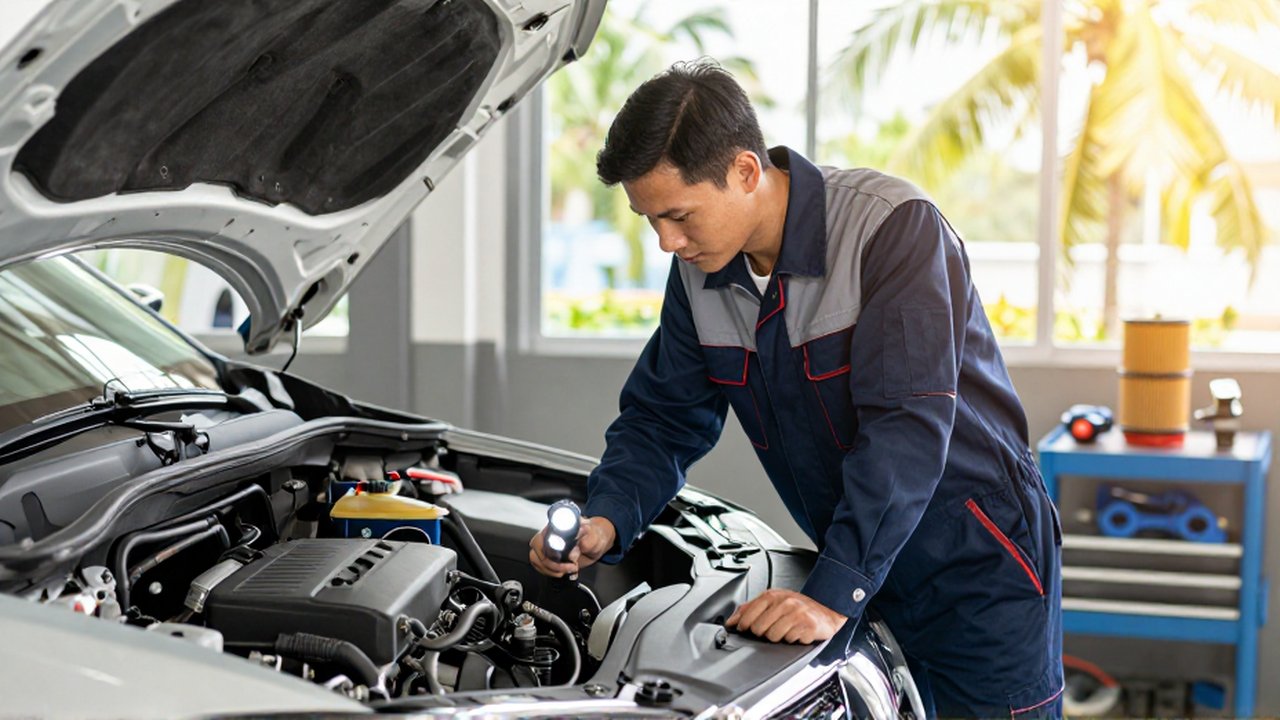
A reliable vehicle is the foundation of any successful long trip. Before departure, you should conduct a thorough mechanical inspection to ensure every vital system is functioning within normal parameters. Neglecting this step is a frequent mistake that can lead to expensive repairs or dangerous situations on the highway.
Start by checking all essential fluids, including engine oil, coolant, brake fluid, and windshield washer fluid. Low levels or contaminated fluids are primary causes of engine overheating and mechanical wear. Additionally, examine your tire condition. Ensure they are inflated to the manufacturer's recommended pressure—including the spare tire—and check the tread depth to guarantee proper grip, especially if the forecast includes rain.
Always inspect your braking system and battery health. If you notice any unusual noises when braking or if your battery is older than several years, have a professional technician evaluate them. Finally, verify that all lights, including headlights, turn signals, and brake lights, are working correctly to maintain visibility and signal your intentions to other drivers.
Essential supplies and emergency kits
Even with a perfectly maintained car, unforeseen circumstances can arise. Carrying a well-organized emergency kit is a critical safety measure that provides peace of mind. This kit should be easily accessible and stored in a way that does not interfere with your vision or movement inside the cabin.
| Category | Recommended Items |
|---|---|
| Safety Tools | Jumper cables, flashlight, reflective triangles, and a basic tool kit. |
| First Aid | Bandages, antiseptic wipes, pain relief, and any personal medications. |
| Survival Gear | Bottled water, non-perishable snacks, a portable power bank, and a blanket. |
| Documents | Vehicle registration, insurance papers, and emergency contact information. |
Beyond these items, consider the specific climate of your destination. In tropical or hot environments, extra water and sun protection are non-negotiable. In areas where cellular reception might be unreliable, physical maps or downloaded offline navigation maps are indispensable tools.
Route planning and logistics

Effective route planning goes beyond simply setting a destination in a GPS. It requires understanding the terrain, the expected driving time, and the available amenities along the way. Planning your stops is just as important as planning your path to prevent driver fatigue and ensure consistent energy levels.
Identify your stopping points in advance. Aim to take a break every two hours or every 100 miles to stretch, hydrate, and rest your eyes. This practice is vital for maintaining cognitive alertness. Furthermore, investigate the road conditions and potential construction zones along your planned route. Knowing where gas stations, repair shops, and rest areas are located can prevent panic if you encounter an unexpected delay.
Budgeting for logistics is another crucial step. Consider the costs of fuel, tolls, and potential parking fees. Having a clear financial plan for the trip helps avoid unnecessary stress and allows you to focus on the driving experience rather than the rising costs of the journey.
Driver readiness and comfort
The well-being of the driver is the most critical factor in road safety. Long hours behind the wheel can cause physical discomfort and mental exhaustion, both of which significantly impair reaction times and decision-making abilities.
Prioritize a good night's sleep before your departure. Avoid planning extremely long driving stints immediately following a late night or a period of high stress. During the trip, maintain a comfortable temperature inside the vehicle and ensure your seat is positioned to prevent back strain. Managing your diet is also important; heavy, sugary meals can lead to "crashes" in energy levels, whereas light, protein-rich snacks help maintain steady focus.
If you are traveling with passengers, establish ground rules for noise and distractions. While music or conversation can make the trip more enjoyable, sudden loud noises or intense debates can distract the driver from the road. A calm and organized cabin environment contributes to a safer and more pleasant trip for everyone involved.
Frequently asked questions
How often should I service my car before a long trip? It is advisable to have a professional mechanic perform a general inspection at least one to two weeks before your departure. This allows enough time to address any identified issues without rushing.
What is the most important item in an emergency kit? While all items are useful, water and a way to communicate (like a charged phone or power bank) are paramount for safety if you become stranded.
Can I rely solely on GPS for navigation? While GPS is highly effective, you should always have a backup plan, such as downloaded offline maps or a physical map, in case you enter areas with poor cellular coverage.
How can I tell if my tires are safe for a long trip? Check the tread depth using a coin; if the tread is shallow, it may not provide adequate grip in wet conditions. Also, look for cracks, bulges, or uneven wear on the sidewalls.
Leave a Reply