
When should you flush a car cooling system
Introduction
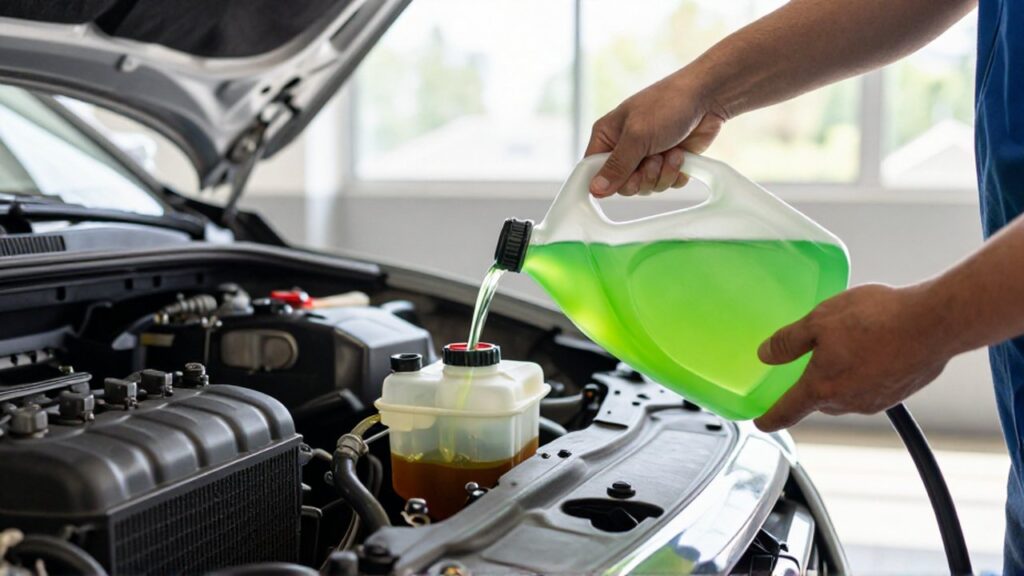
A car cooling system is a critical component designed to regulate engine temperature and prevent catastrophic overheating. Over time, the coolant fluid undergoes chemical breakdown due to extreme temperature fluctuations and constant exposure to engine components. A cooling system flush is the process of draining old coolant, cleaning out the internal passages of the radiator and engine block, and refilling the system with fresh, high-quality antifreeze to ensure optimal thermal regulation.
Performing this maintenance is essential to prevent the buildup of scale, rust, and sludge that can clog narrow cooling passages. If the fluid becomes contaminated or loses its protective properties, the engine's ability to shed heat decreases significantly. Maintaining a clean system not only extends the lifespan of your radiator and water pump but also protects the engine gaskets and internal metal surfaces from corrosion.
Knowing when to perform a flush is a key part of proactive vehicle ownership. While certain factors vary depending on the make and model of the vehicle, recognizing the telltale signs of aging coolant can prevent expensive mechanical failures. Timely intervention ensures that your vehicle remains reliable, especially when driving in high-temperature environments or long distances.
Importance of regular cooling system maintenance
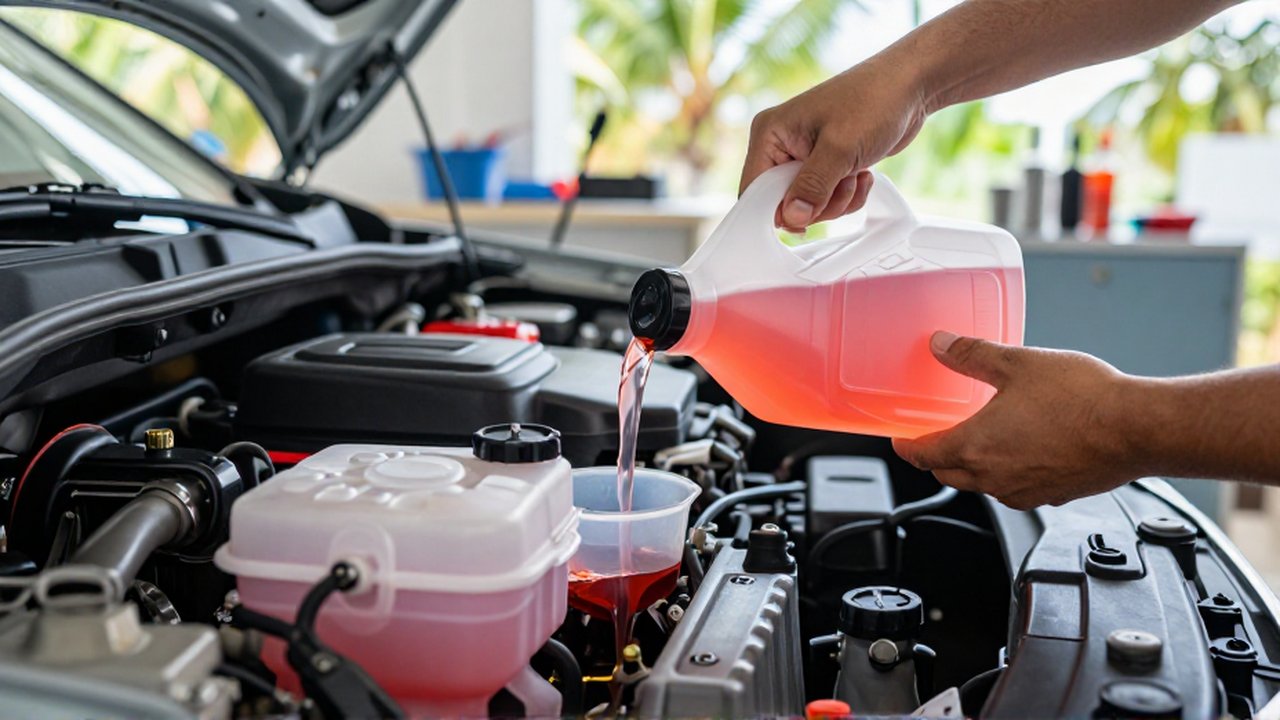
The coolant inside your engine serves two primary purposes: transferring heat away from the engine and providing anti-corrosive properties to the internal metal parts. As the coolant ages, the additives that prevent rust and inhibit cavitation begin to deplete. Once these additives are exhausted, the fluid can become acidic or contain suspended particles of metal and debris.
When the chemical balance shifts, several issues can arise. Corrosion can pit the aluminum or iron surfaces within the engine, leading to leaks. Furthermore, sediment buildup can accumulate in the radiator, reducing its surface area for heat exchange. This makes the engine work harder to stay cool, which ultimately decreases fuel efficiency and increases the risk of sudden overheating during heavy traffic or steep climbs.
Common signs that you need a flush
While following a scheduled maintenance interval is the safest approach, certain physical indicators suggest that your system requires immediate attention. Paying close attention to the appearance of your coolant and the behavior of your engine can provide early warnings.
Visual changes in the coolant One of the easiest ways to check the health of your system is by inspecting the color and clarity of the liquid in the coolant reservoir. Fresh coolant is usually bright, translucent, and consistent in color (typically green, orange, pink, or blue depending on the type). If the liquid appears muddy, brown, or contains floating particles, it is a sign that significant contamination or rust has occurred.
Rising operating temperatures If you notice your temperature gauge creeping toward the red zone more frequently than usual, even if the car is not actively overheating, it may be due to reduced efficiency in the cooling passages. Sludge and scale act as insulators, preventing the coolant from absorbing and releasing heat effectively.
Unusual smells and leaks A sweet, syrupy smell emanating from the engine bay is a classic sign of a coolant leak. While a leak may be caused by a cracked hose or a faulty radiator cap, it can also indicate that the fluid is breaking down. Additionally, if you notice "milky" residue under the oil cap, this could indicate a more serious failure where coolant is mixing with oil, requiring immediate professional inspection.
Typical intervals for cooling system flushes
Maintenance schedules vary widely between manufacturers. Some modern vehicles use "long-life" coolants that may only require servicing every several years, while older vehicles or those used in harsher climates may need more frequent attention.
| Vehicle Usage Type | Recommended General Approach |
|---|---|
| Standard Commuting | Follow the manufacturer's manual, often every 2 to 5 years. |
| Heavy Duty / Towing | More frequent inspections; consider flushing every 2 years. |
| Hot Climate Driving | Increased frequency due to higher thermal stress on the fluid. |
| Older Vehicles | Regular annual inspections to prevent rust buildup. |
If you are driving a used vehicle and have no record of when the cooling system was last serviced, it is generally considered best practice to perform a flush immediately to establish a baseline of reliability.
Risks of neglecting the cooling system
Ignoring a cooling system flush is not merely a matter of maintenance neglect; it is a risk to the structural integrity of the engine. When coolant fails, the engine temperature rises rapidly. This can lead to a warped cylinder head, blown head gaskets, or even a cracked engine block.
Repairing the damage caused by an overheat event is significantly more expensive than the cost of a routine flush and coolant replacement. Beyond the mechanical risks, a compromised cooling system can lead to a loss of vehicle performance and can potentially leave you stranded in unsafe locations if the engine fails while driving.
Frequently asked questions
Can I just top up the coolant instead of flushing the system? Topping up is fine for minor losses, but it does not remove the contaminants or the exhausted additives already present in the system. If the coolant is old or discolored, a full flush is necessary to restore the chemical balance.
Is it safe to mix different types of coolant? No, it is generally not recommended. Different manufacturers use different chemical additive packages (such as OAT or HOAT). Mixing them can cause a chemical reaction that creates a gel-like substance, which can clog the system.
How can I tell if my coolant is expired? Check your vehicle's owner manual for specific intervals. Visually, if the coolant looks dark, cloudy, or contains sediment, or if you smell a sweet scent from the engine, it is likely expired.
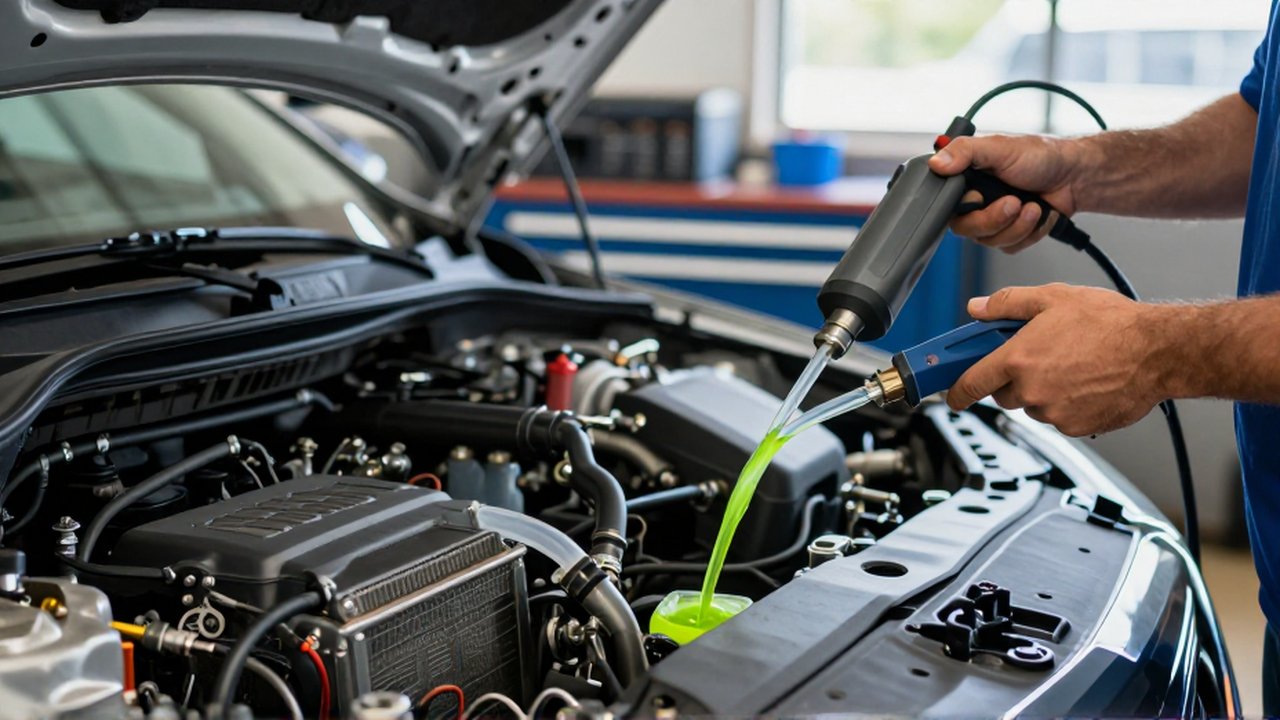
Does a flush include cleaning the radiator? A professional flush typically involves a pressurized cleaning process designed to force out debris from the radiator, the engine block, and the heater core, ensuring the entire loop is clean.
Leave a Reply