
How to identify a leaking water pump
Introduction
The water pump is a critical component of your vehicle's cooling system, responsible for circulating coolant throughout the engine to prevent overheating. When this component fails, it can lead to catastrophic engine damage if left unaddressed. Identifying a leak early is essential for maintaining vehicle longevity and ensuring safe driving conditions, especially in tropical climates where cooling efficiency is paramount.
A leaking water pump usually signifies that the internal seals or the mechanical shaft have degraded. This issue can manifest through visible fluid, unusual sounds, or even changes in how the engine operates. Knowing how to spot these signs allows you to intervene before a minor drip turns into a major mechanical failure that could leave you stranded on the roadside.
Visual signs of coolant leakage
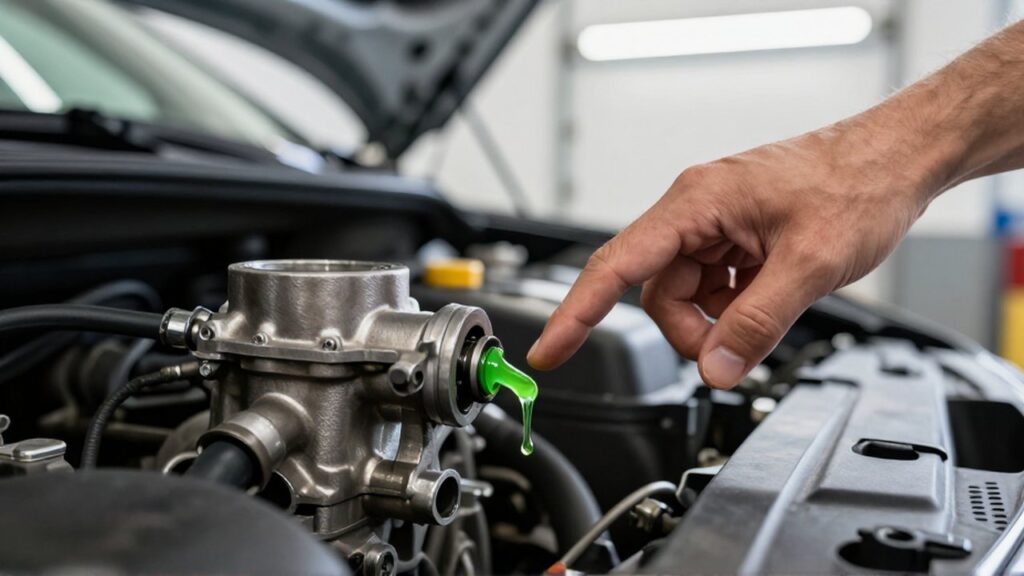
The most direct way to identify a failing water pump is by looking for physical evidence of leaking fluid. Because the water pump circulates engine coolant, any leak will typically leave a trail of colored liquid. Most modern coolants are dyed in bright, distinctive colors such as pink, orange, green, or blue to make them easily identifiable.
Check the ground beneath your parked vehicle. If you notice a puddle of colored liquid that does not appear to be oil or water from an air conditioner, it is a strong indicator of a cooling system issue. Furthermore, you should inspect the area around the engine belt system. If you see dried, crusty residue or wet patches around the water pump housing, the seal is likely compromised.
Unusual engine noises
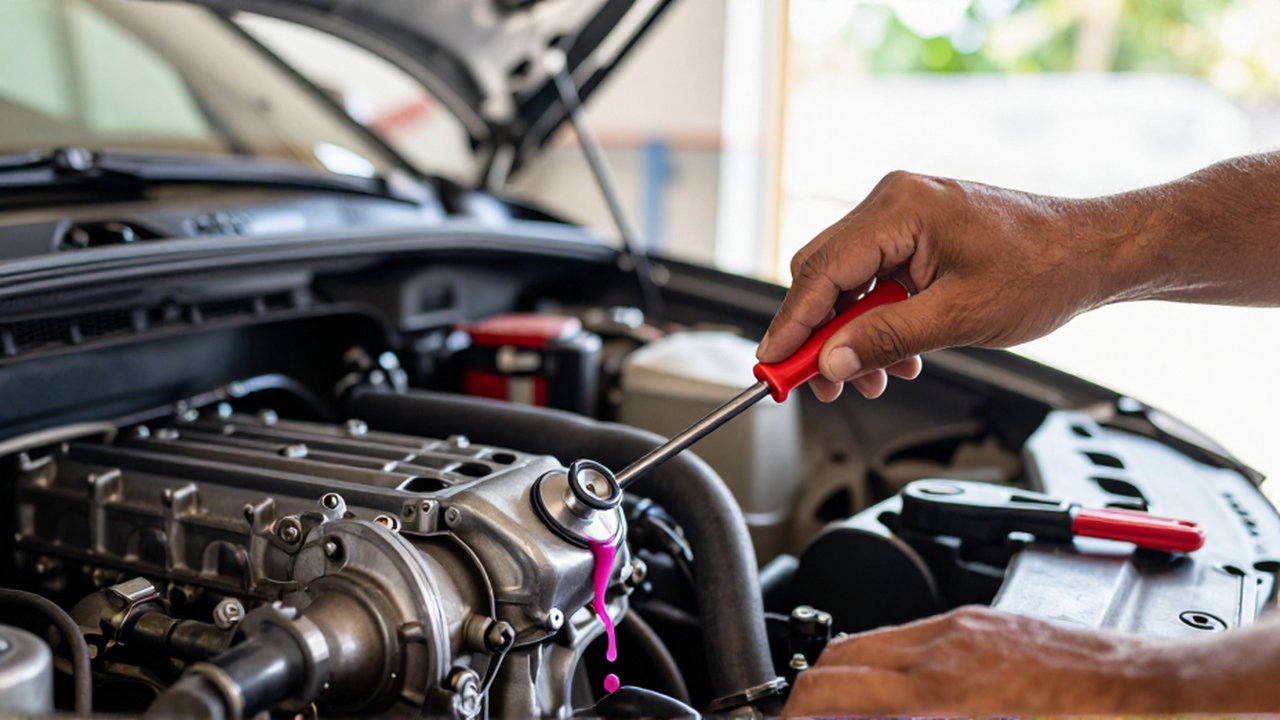
A water pump does not always leak liquid before it starts making noise. Mechanical wear within the pump can often be heard before a visible leak occurs. If the internal bearings or the impeller begin to fail, they will produce distinct sounds that can serve as an early warning system.
Listen for a high-pitched squealing or a grinding noise coming from the front of the engine. A whining sound often indicates that the bearings are worn out and are struggling to rotate smoothly. If the noise changes in intensity as you accelerate the engine, it is a high priority to have the component inspected by a professional, as this suggests the pump is nearing total failure.
Engine temperature fluctuations
One of the more dangerous signs of a water pump issue is a sudden or inconsistent rise in engine temperature. If the water pump is leaking significantly, the volume of coolant in the system drops, reducing its ability to absorb heat from the engine block.
Watch your dashboard temperature gauge closely. If the needle begins to climb into the "hot" zone or fluctuates wildly during idling or driving, the cooling system is losing its ability to regulate temperature. This often happens because the pump can no longer maintain the necessary pressure or fluid volume to keep the engine cool. Ignoring these temperature spikes can lead to warped cylinder heads or a completely seized engine.
Identifying the source of the leak
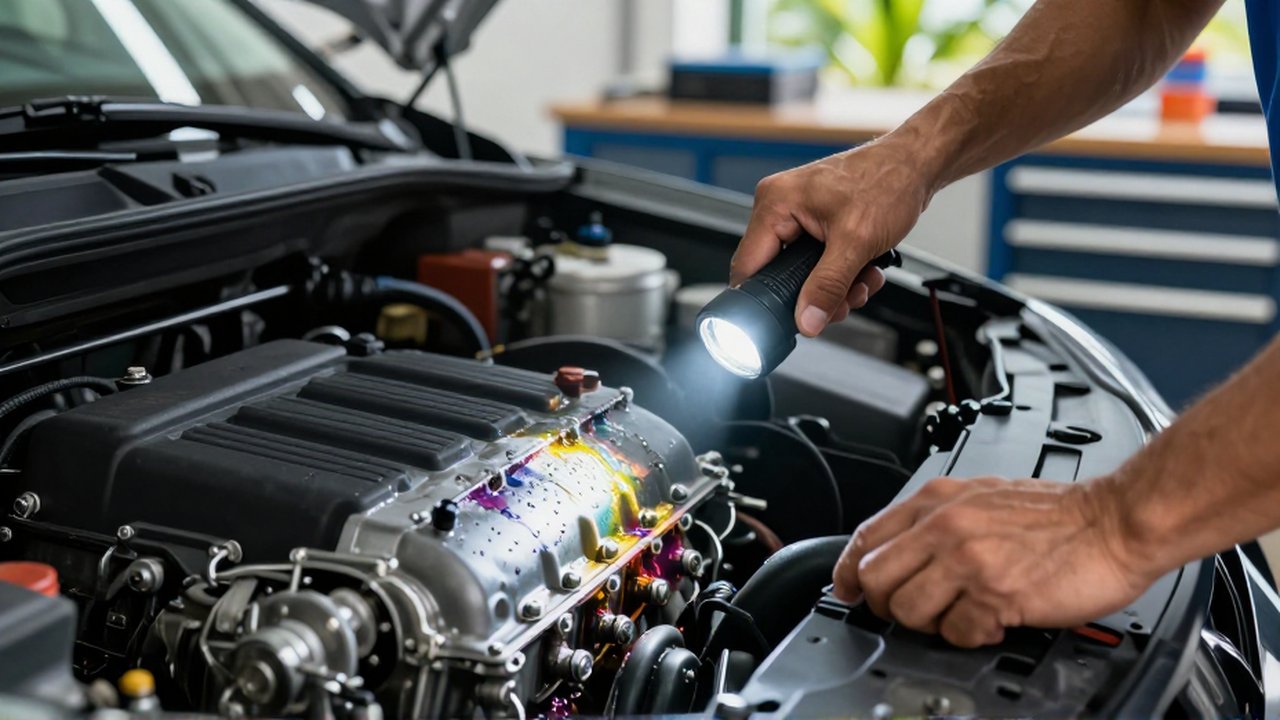
When you find a leak, it is important to distinguish the water pump from other components like the radiator, hoses, or the thermostat housing. To isolate the water pump, perform a visual inspection while the engine is cool.
| Component | Typical Leak Location | Visual Characteristics |
|---|---|---|
| Water Pump | Near the engine belts/front of engine | Often appears near the pulley or weep hole |
| Radiator | Near the front grille/cooling fins | Often involves larger puddles near the front |
| Coolant Hoses | Along the engine periphery | Usually involves wet, soft, or bulging rubber |
| Thermostat | Near the top of the engine | Often found at connection points to the block |
A specific feature to look for on many water pumps is the "weep hole." This is a small opening designed to allow tiny amounts of coolant to escape if the internal seal begins to fail. If you see liquid actively dripping from this specific hole, the water pump is definitely failing and requires immediate replacement.
Common mistakes in diagnosis
Many drivers mistake condensation from the air conditioning system for a coolant leak. While AC condensation is clear and odorless, coolant is often colored and has a distinct, sweet smell. Always smell the fluid to help differentiate between the two.
Another mistake is assuming that a small leak is not urgent. Cooling systems operate under high pressure; a small drip can rapidly turn into a high-pressure spray once the engine reaches operating temperature. Furthermore, attempting to "patch" a leaking water pump with sealants is rarely a permanent or safe solution, as the mechanical integrity of the pump is what has actually failed.
Frequently asked questions
Can I drive with a slightly leaking water pump? It is highly risky. A small leak can quickly escalate due to the pressure within the cooling system, potentially leading to sudden overheating and severe engine damage.
How can I tell if the leak is oil or coolant? Coolant is usually brightly colored (pink, green, etc.) and has a sweet smell. Oil is typically darker (brown or black) and has a much thicker, slippery consistency.
Does a noisy water pump always mean it's leaking? Not necessarily, but it is a sign of mechanical failure. A noisy pump usually means the bearings are failing, which will almost certainly lead to a leak or total pump seizure shortly after.
Why does my engine overheat if the coolant level looks fine? The pump might be failing mechanically without leaking much fluid. If the impeller is damaged or the bearings are seized, the coolant will not circulate through the engine, causing heat to build up even with a full radiator.
Leave a Reply