
Importance of changing engine oil regularly
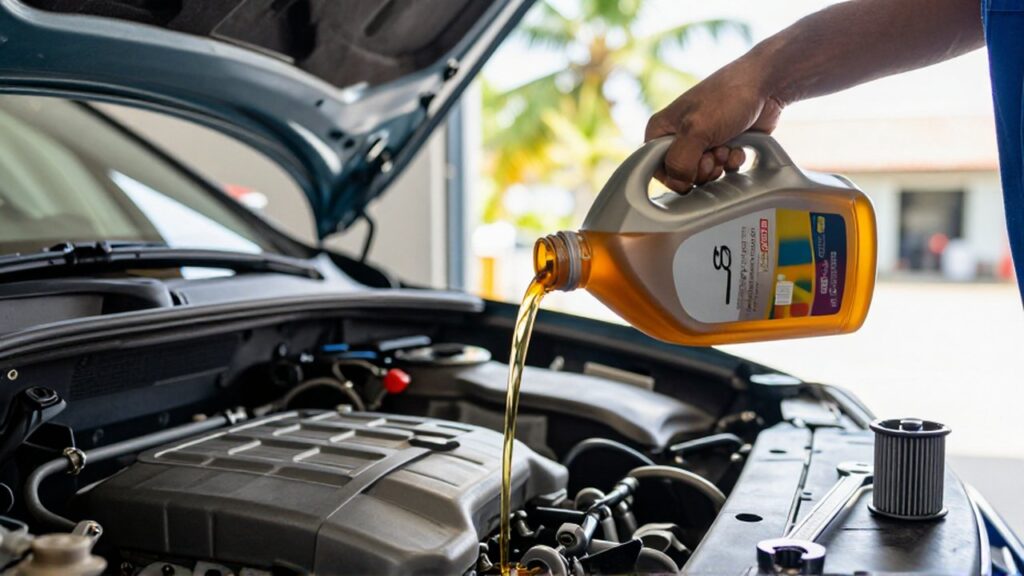
Introduction
Engine oil is often referred to as the lifeblood of a vehicle because it performs several critical functions that keep the internal components of an engine running smoothly. Its primary roles include lubricating moving parts to reduce friction, cooling components by absorbing excess heat, cleaning the engine by carrying away debris, and preventing corrosion. Without a consistent supply of clean oil, the metal surfaces inside the engine would grind against each other, leading to rapid deterioration and catastrophic failure.
Regular oil changes are necessary because, over time, the oil loses its chemical effectiveness and becomes contaminated. As the engine operates, the oil accumulates soot, microscopic metal shavings, and fuel residues, which transform the fluid into a thick, sludge-like substance. This degradation significantly impairs the oil's ability to protect the engine. Replacing the oil and the filter at recommended intervals ensures that these contaminants are removed and that the engine remains protected against premature wear.
Functions of engine oil in vehicle operation

The core purpose of engine oil is to create a microscopic film between moving mechanical parts. This film prevents direct metal-to-metal contact, which is essential for maintaining engine efficiency. When parts move at high speeds, even the slightest friction can generate enough heat to weld components together or cause them to snap. By providing a smooth layer of lubrication, the oil minimizes this resistance, allowing for more fluid movement and better fuel economy.
Beyond lubrication, the oil plays a vital role in thermal management. While the cooling system handles the overall temperature of the engine, the oil works at a granular level to absorb heat directly from the pistons, bearings, and camshafts. Furthermore, the additives within the oil act as detergents, picking up carbon deposits and impurities. These impurities are then trapped by the oil filter, keeping the internal environment of the engine clean.
Consequences of neglecting oil changes
Failing to change the engine oil on a regular basis leads to a cascade of mechanical issues. As the oil breaks down and accumulates contaminants, its viscosity changes. It can become too thin to provide a protective layer or too thick to flow through the narrow passages of the engine block. This lack of proper flow can lead to "starvation," where certain parts are not receiving any lubrication at all.
The most immediate risk is increased engine temperature and friction, which accelerates the wear on critical components like piston rings and cylinder walls. In extreme cases, the accumulation of sludge can completely block oil passages, leading to a total engine seizure. This often results in a complete engine failure, requiring a full replacement or a costly overhaul. Additionally, a poorly lubricated engine must work harder to overcome internal resistance, which ultimately leads to a noticeable decrease in fuel efficiency and increased emissions.
Factors that affect oil life intervals

While most vehicle manufacturers provide a standard maintenance schedule, several real-world factors can change how frequently an owner needs to perform an oil change. Environmental conditions and driving habits play a significant role in how quickly oil degrades.
| Factor | Impact on Oil Life | Reason |
|---|---|---|
| Extreme Temperatures | Reduces life | High heat breaks down chemical additives faster. |
| Short Trips | Reduces life | The engine does not reach operating temperature, leading to moisture buildup. |
| Heavy Loads/Towing | Reduces life | Increased mechanical stress generates more heat and soot. |
| Stop-and-Go Traffic | Reduces life | Constant idling and braking increase engine wear per mile driven. |
| Highway Driving | Extends life | Consistent speeds allow for stable temperatures and efficient cooling. |
In tropical climates, such as that of the Dominican Republic, high ambient temperatures can accelerate the thermal breakdown of the oil. Furthermore, if a vehicle is frequently used in heavy traffic or for short trips in urban areas, it is often more beneficial to follow a "severe service" maintenance schedule rather than the standard one provided in the manual.
Maintaining engine health through regular maintenance
To maximize the longevity of a vehicle, owners should prioritize a consistent maintenance routine. This involves more than just checking the oil level; it requires a proactive approach to replacement.
- Follow the Manufacturer's Guide: Always start with the vehicle's manual to understand the baseline requirements for oil type and change frequency.
- Use Quality Oil and Filters: High-quality synthetic or semi-synthetic oils are designed to withstand more heat and last longer than conventional oils. Always replace the oil filter at the same time as the oil to prevent old contaminants from recirculating.
- Monitor Oil Levels: Regularly check the dipstick to ensure the oil level is within the safe operating range. Low oil levels increase the temperature and reduce the effectiveness of the lubrication.
- Observe Warning Signs: Pay attention to changes in engine sound, unusual smells, or dashboard warning lights. If the oil pressure light illuminates, it is a sign of a critical issue that requires immediate attention.
Frequently asked questions
How can I tell if my oil needs to be changed? You can check the color and texture of the oil using the dipstick. If the oil is extremely dark, gritty, or feels thick like sludge, it is overdue for a change. Additionally, if your engine sounds louder than usual, it may indicate insufficient lubrication.
Is synthetic oil better than conventional oil? Synthetic oil is engineered to provide better protection under extreme temperatures and has a more stable chemical structure. While it is usually more expensive, it often lasts longer and offers superior lubrication compared to conventional mineral oils.
Can I skip an oil change if the car is still running well? No. Engine damage from degraded oil often happens gradually and invisibly before any noticeable symptoms appear. Waiting for the car to "act up" usually means significant wear has already occurred.
Does the type of oil filter matter? Yes. A high-quality oil filter is designed to trap smaller particles and maintain consistent flow. Using a low-quality filter can result in contaminants bypassing the filter and entering the engine.
Leave a Reply