
果- How often should car batteries be tested in DR
Introduction
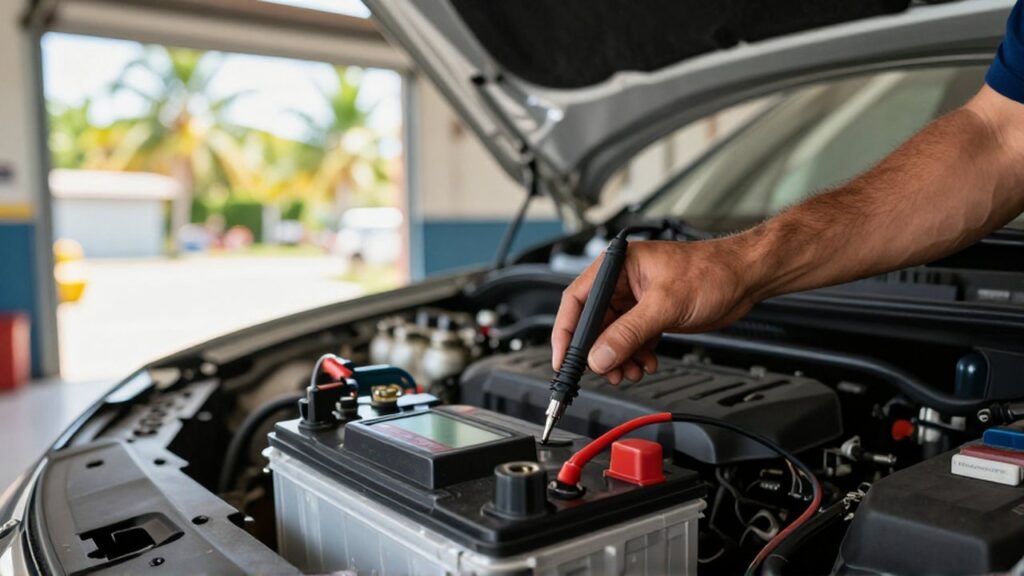
Maintaining a reliable vehicle in the Dominican Republic requires special attention to electrical components, specifically the car battery. A battery is essential for starting the engine, powering the lights, and supporting the vehicle's electronic systems. Regular testing ensures that the battery can hold a sufficient charge and deliver the necessary voltage to prevent sudden breakdowns, which can be particularly inconvenient during long trips or in heavy tropical traffic.
In the Dominican Republic, the high ambient temperatures and intense humidity levels create a harsh environment for lead-acid batteries. Heat accelerates the chemical reactions inside the battery, leading to faster evaporation of electrolyte fluids and increased internal wear. Because of these environmental stressors, relying solely on the battery's ability to start the car is often insufficient. Proactive testing allows drivers to identify a failing battery before it leaves them stranded.
Impact of tropical climate on battery lifespan
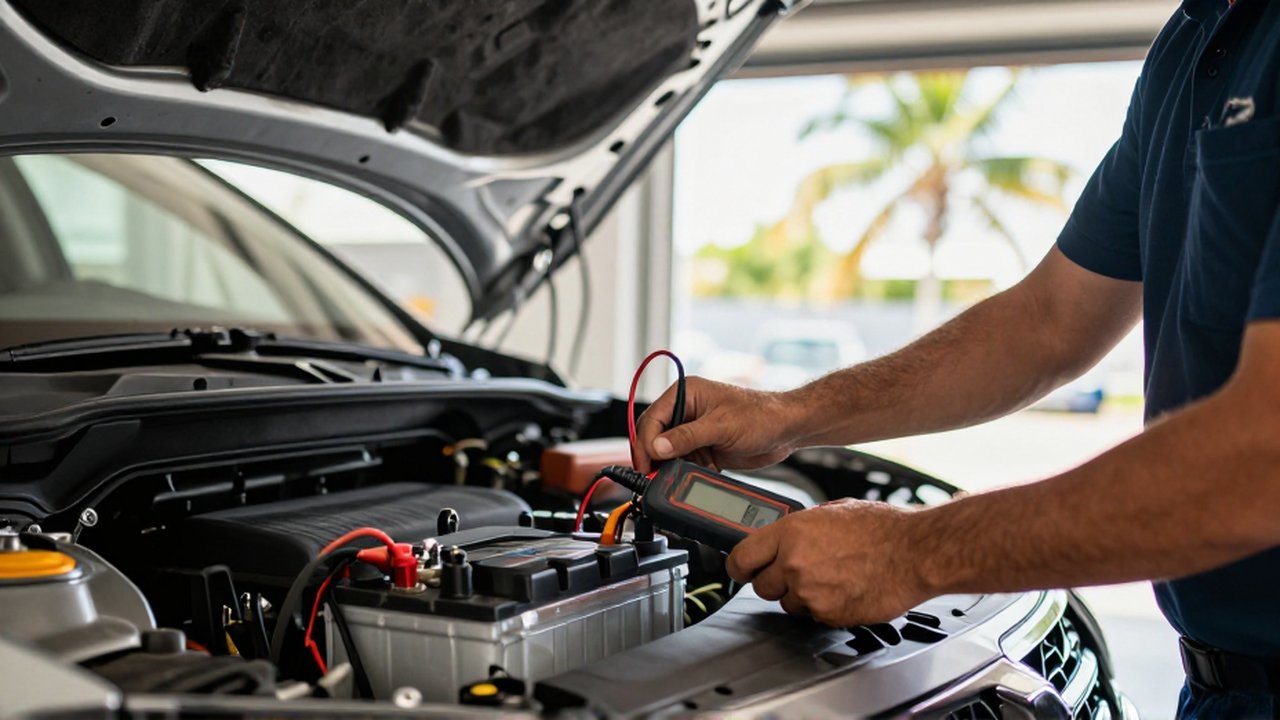
The climate in the Dominican Republic plays a decisive role in how quickly a battery degrades. While many people believe that cold weather is the primary enemy of batteries, extreme heat is often more damaging over the long term. High temperatures cause the liquid electrolyte to evaporate more quickly and can lead to internal corrosion. When the electrolyte levels drop, the battery's ability to provide consistent power diminishes significantly.
Furthermore, the high humidity levels common in the Caribbean can contribute to terminal corrosion. Corrosion on the battery posts creates resistance, preventing the alternator from charging the battery efficiently and hindering the flow of electricity to the starter motor. This combination of heat and moisture means that a battery's lifespan in the DR may be shorter than the manufacturer's estimate provided for temperate climates.
Recommended testing frequency for local drivers
To ensure vehicle reliability, car batteries should be tested at least every six months. This semi-annual approach allows drivers to monitor the battery's health across different seasonal shifts. Testing at the beginning of the hotter months is especially critical, as the increased temperature will put additional strain on an already aging electrical system.
For drivers who frequently use high-drain accessories—such as heavy-duty sound systems, extra LED lighting, or GPS tracking devices—more frequent inspections may be necessary. In these cases, a quarterly check can prevent unexpected failures. Monitoring the battery is not just about checking if the car starts; it is about measuring the "health" or "state of health" (SOH) of the unit to see if it can still handle the electrical load of a modern vehicle.
Signs that your battery needs immediate inspection
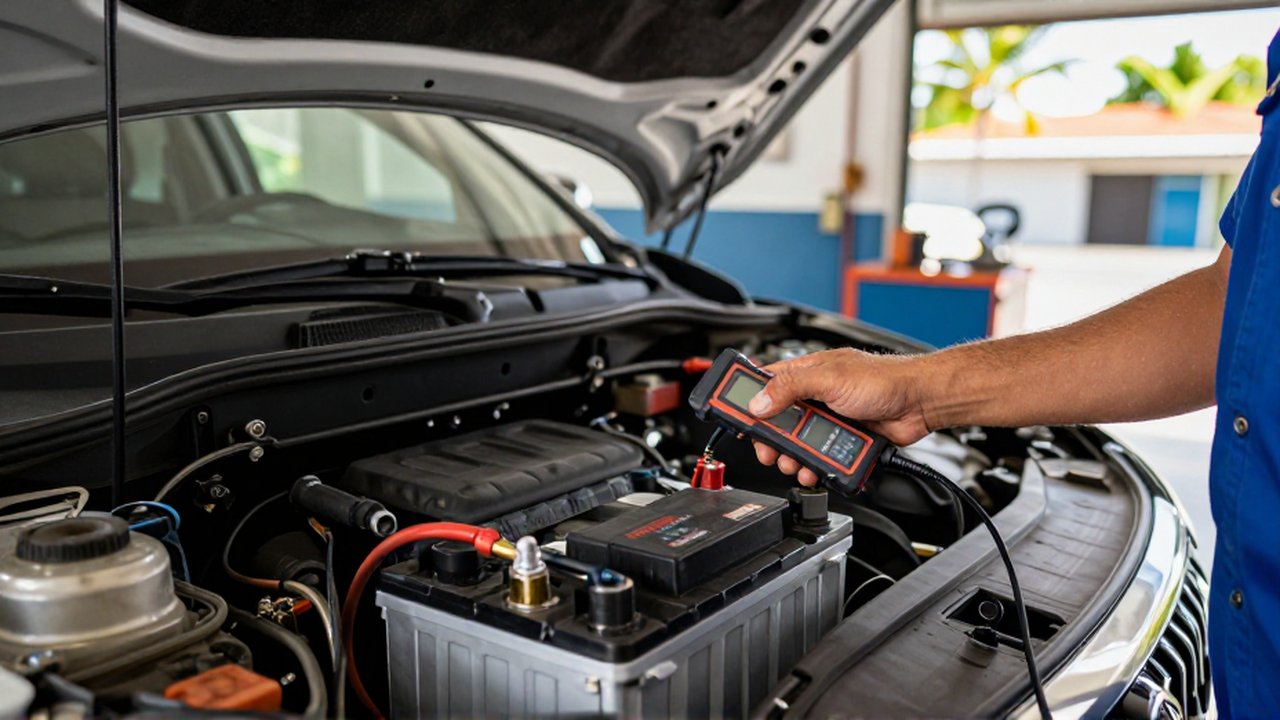
A battery might appear functional during short trips, but several warning signs indicate that an immediate professional test is required. Drivers should look for the following indicators:
- Slow engine cranking: If the engine takes longer than usual to turn over when you turn the key, the battery may lack sufficient cranking amps.
- Dimming headlights: Lights that appear noticeably dimmer when the engine is idling, or that flicker when using other electronics, suggest voltage instability.
- Electrical glitches: Unexpected behavior in the dashboard, power windows, or central locking systems often points to inconsistent power delivery.
- Physical swelling: If the battery casing looks bloated or swollen, it is a sign of extreme heat damage or overcharging and must be replaced immediately.
- Sulfur smell: A "rotten egg" smell near the battery can indicate a leak or excessive gassing due to internal damage.
Essential battery maintenance steps
While testing is the most important preventative measure, basic maintenance can help extend the time between tests. Keeping the battery terminals clean is vital; use a mixture of baking soda and water to remove any white, powdery corrosion. Once clean, applying a thin layer of petroleum jelly or a specialized terminal protector can help prevent moisture from causing new corrosion.
It is also important to ensure that the battery is securely mounted. Vibrations from driving on uneven road surfaces can cause internal damage to the battery plates over time. Finally, avoid leaving the vehicle unused for long periods. If a car sits idle in the tropical heat without being driven, the battery may undergo "self-discharge," which can lead to permanent capacity loss.
Frequently Asked Questions
How can I tell if my alternator is the problem instead of the battery? If your car starts fine but the battery dies shortly after driving, the alternator may not be recharging the battery correctly. A professional test can measure the charging voltage while the engine is running to distinguish between the two.
Does heat actually kill batteries faster than cold? Yes, in most cases, extreme heat is more damaging to the internal chemistry of a battery, causing faster degradation and fluid loss, whereas cold primarily affects the battery's ability to discharge power.
Can I test my battery at home? Basic voltage can be checked with a multimeter, but a true "load test" (which simulates the stress of starting the engine) usually requires professional equipment found at service centers.
How long should a battery typically last in the DR? While many batteries are designed to last several years, the tropical climate often results in a shorter functional lifespan compared to cooler regions. Regular testing is the only way to confirm the actual remaining life of your unit.
Leave a Reply