
When to replace car struts and shock absorbers
Introduction
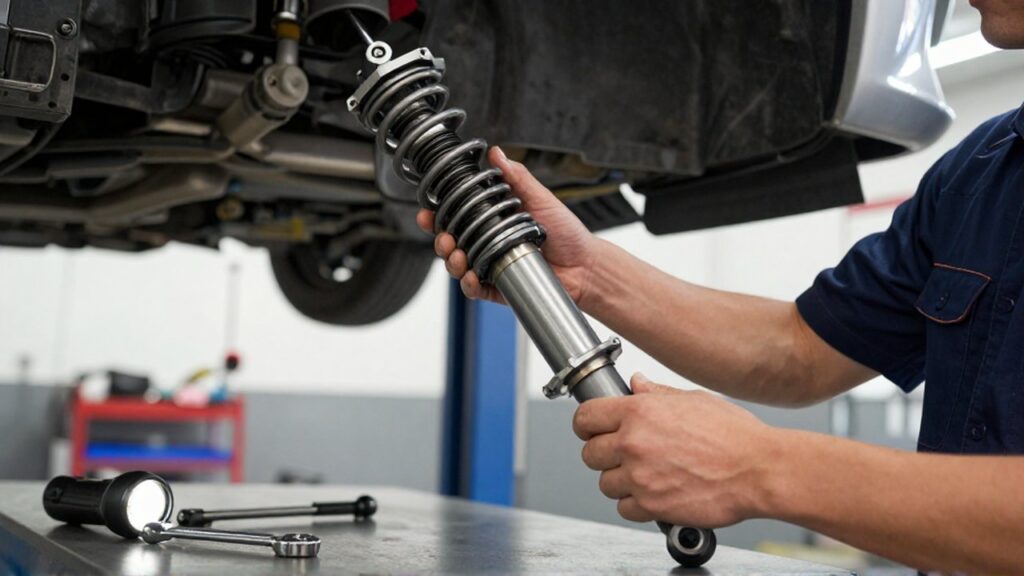
The suspension system is a critical component of your vehicle, responsible for maintaining tire contact with the road and absorbing the impact of bumps or uneven surfaces. Struts and shock absorbers serve as the primary dampening mechanisms that control the movement of your car's springs. Without functional dampeners, your vehicle would bounce uncontrollably, leading to poor handling, increased braking distances, and a significant loss of driver control during emergency maneuvers.
Regularly monitoring the health of these components is essential for both comfort and safety. While they do not typically fail overnight, they undergo gradual wear due to friction, heat, and the constant stress of driving. Knowing when to replace them allows you to prevent secondary damage to other suspension parts, such as bushings, ball joints, and tires, while ensuring a smooth and predictable driving experience.
Difference between struts and shock absorbers
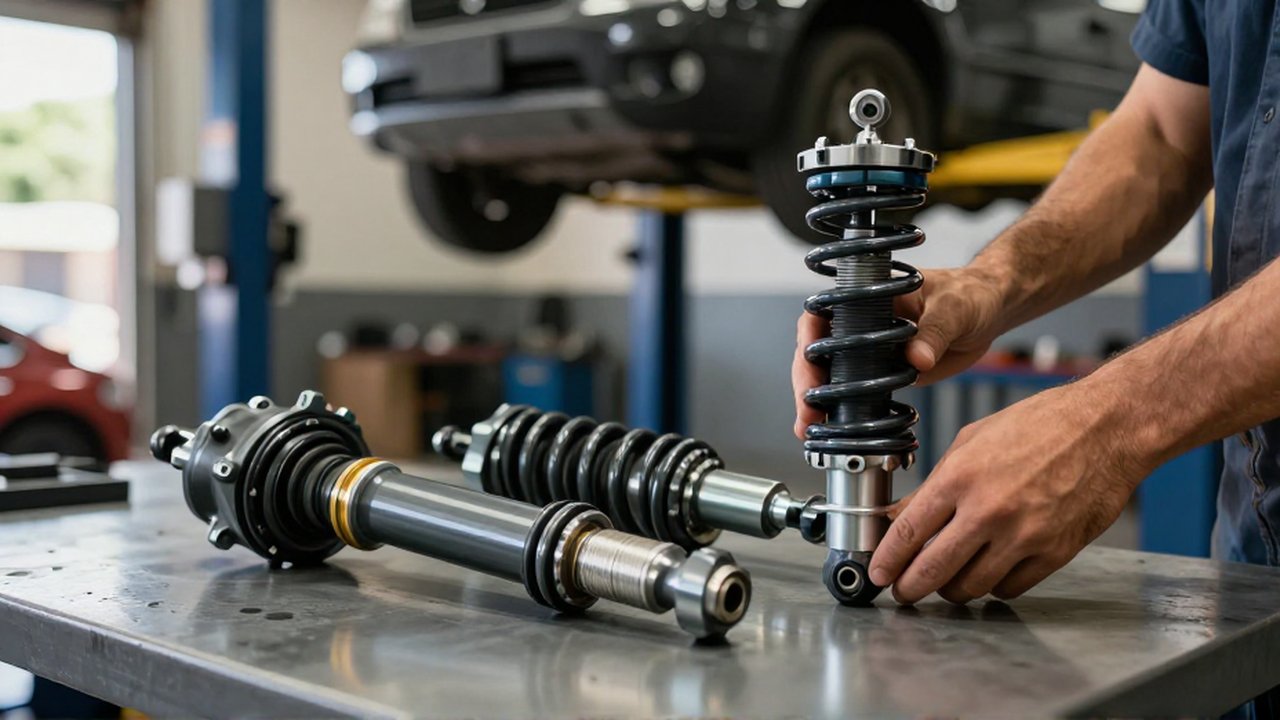
Understanding the difference between these two components is necessary for accurate diagnosis. While both serve to dampen the movement of the vehicle's springs, they are structurally different and perform different roles within the chassis.
Shock absorbers are standalone components. Their primary job is to control the movement of the spring by converting kinetic energy into thermal energy. They do not support the weight of the vehicle; instead, they simply manage the oscillations of the suspension.
Struts, on the other hand, are structural components. A strut assembly typically includes a shock absorber integrated with a coil spring and sometimes a mounting plate. Unlike a standard shock, the strut acts as a pivot point for the steering mechanism and helps support the vehicle's weight. Because they are part of the structural integrity of the suspension, strut failure can affect steering precision more significantly than a worn shock absorber.
Common signs of suspension wear
Identifying a failing suspension system early can save significant repair costs. Most drivers will notice changes in the "feel" of the car long before a total mechanical failure occurs.
- Excessive Bouncing: If your car continues to bounce several times after hitting a bump or a pothole, the dampening capability of the struts or shocks has diminished.
- Nose Diving: When braking, if the front end of the vehicle dips aggressively toward the ground, it is a clear indication that the front struts are no longer controlling the weight transfer effectively.
- Body Roll: If the vehicle feels unstable or leans heavily when cornering, the suspension is failing to keep the chassis level.
- Unusual Noises: Clunking, knocking, or squeaking sounds when driving over uneven surfaces often point to worn components or damaged mounts within the strut assembly.
Visual inspection for leaks and damage
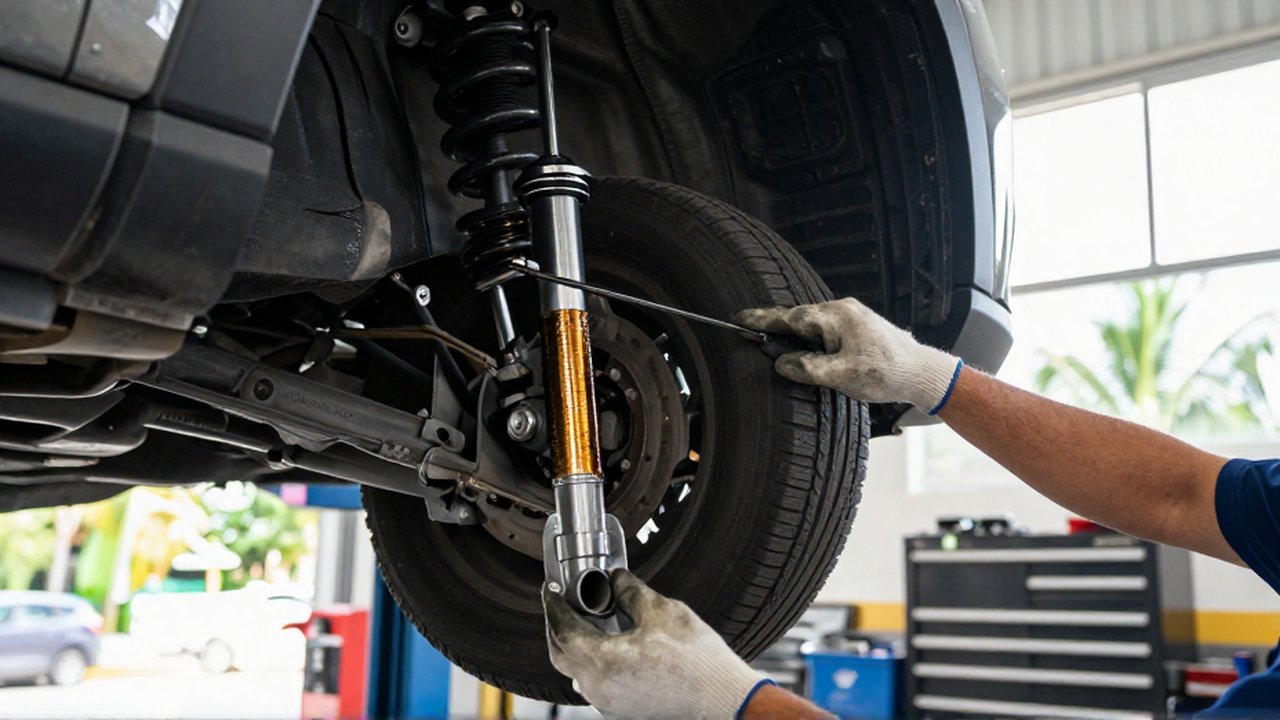
A physical inspection can often confirm suspicions raised by how the car drives. You should periodically look behind the wheels to examine the condition of the dampening units.
One of the most definitive signs of failure is fluid leakage. Most modern shock absorbers and struts are hydraulic, meaning they use oil to manage movement. If you see dark, oily residue coating the body of the shock or strut, the internal seals have likely failed. This leak prevents the component from building the necessary pressure to dampen movement.
Additionally, check for physical damage such as bent rods or cracked housings. In tropical climates or areas with high humidity, heavy corrosion can also compromise the integrity of the metal components, making them more prone to premature failure.
Impact on tire wear and safety
Neglecting the suspension does more than just ruin the ride quality; it actively destroys your tires and compromises your safety. When struts or shocks are worn, the tire does not stay firmly pressed against the road. Instead, it "chatters" or bounces across the surface.
This leads to a specific type of uneven wear known as cupping or scalloping. This occurs when the tire develops wavy ridges or depressions across the tread surface. Replacing damaged suspension components is often necessary to prevent having to replace expensive sets of tires prematurely.
From a safety perspective, the most dangerous consequence is the increased braking distance. A vehicle with worn suspension will experience more "pitch" during braking, which can cause the tires to momentarily lose contact with the pavement, significantly extending the time and distance required to come to a complete stop.
Frequently asked questions
Can I replace only one shock absorber or strut? It is highly recommended to replace them in pairs (both fronts or both rears). Replacing only one side can create an imbalance in the vehicle's handling, causing the car to pull to one side or handle inconsistently during turns.
How long do struts and shock absorbers typically last? While every driving environment is different, these components generally last between 50,000 and 100,000 miles. However, frequent driving on rough roads or unpaved surfaces will significantly shorten this lifespan.
How can I tell if it is the spring or the shock absorber that is failing? A failed spring usually results in a noticeable change in the vehicle's ride height or a loud metallic "sproing" sound. A failed shock or strut is more likely to manifest as bouncing, leaning, or fluid leaks.
Does a worn suspension affect my fuel economy? Yes, indirectly. A faulty suspension can cause the vehicle to handle less efficiently and may lead to increased rolling resistance if the tires are wearing unevenly, which forces the engine to work harder.
Leave a Reply