
Comparing mandatory vs. optional vehicle insurance in DR

Introduction
Navigating the legalities of vehicle ownership in the Dominican Republic requires a clear understanding of insurance requirements. For every driver, distinguishing between what is legally required by the state and what is strategically beneficial for personal financial protection is essential. Choosing the right coverage ensures that you remain compliant with local laws while shielding yourself from the high costs associated with accidents, theft, or natural disasters.
Understanding these two distinct layers of protection allows vehicle owners to budget effectively and manage risk. While mandatory insurance satisfies the law, optional insurance addresses the actual value of your asset and your personal liability. This article explores the fundamental differences between these two types of coverage to help you make an informed decision for your driving needs in the Dominican Republic.
Understanding mandatory vehicle insurance in the DR
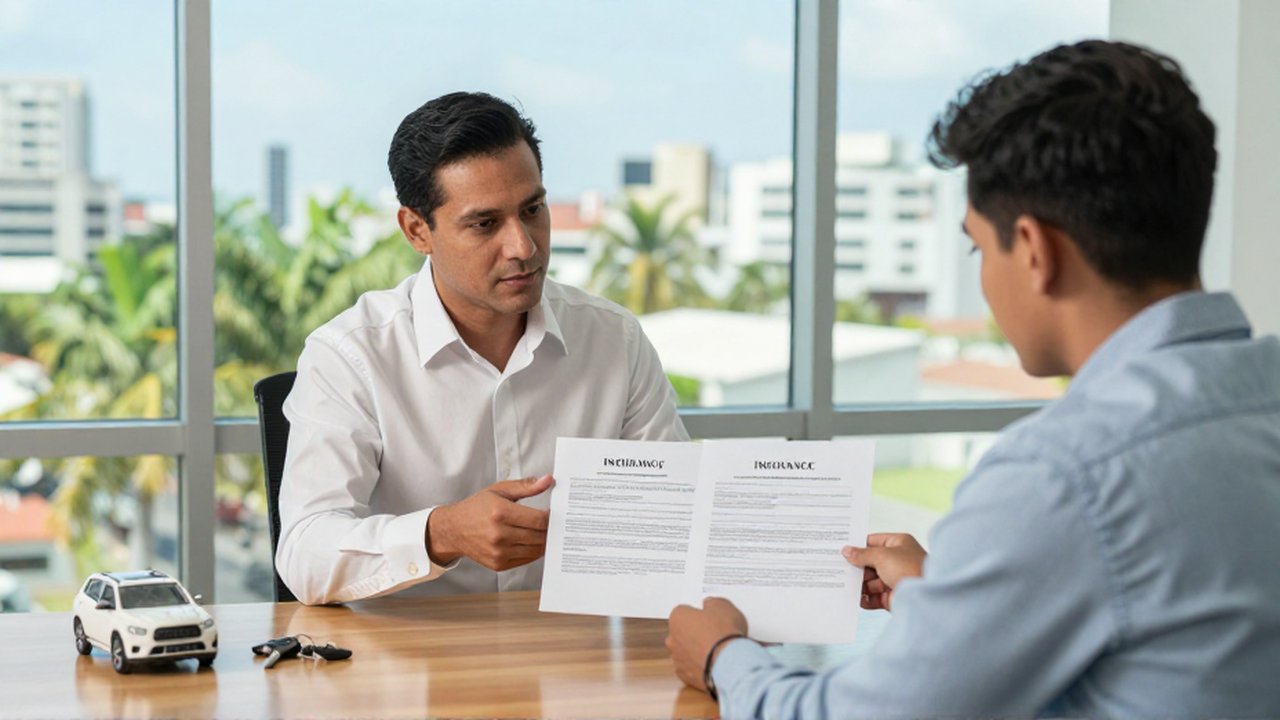
In the Dominican Republic, mandatory insurance is often referred to as Third-Party Liability insurance. This is a legal requirement for all motorized vehicles operating on public roads. The primary purpose of this coverage is not to protect your own vehicle, but to provide financial relief to other people if you are found at fault in an accident.
This mandatory coverage typically covers:
- Bodily injury to third parties: Expenses related to medical treatment or compensation for others injured in an accident caused by the driver.
- Property damage to third parties: Costs incurred to repair or replace another person's vehicle, property, or infrastructure damaged during a collision.
It is important to recognize that mandatory insurance has strict limits. If the damages you cause exceed the coverage limit of your policy, you are personally responsible for paying the remaining balance. Therefore, while this insurance prevents legal penalties and fines from the authorities, it offers very little protection for the driver’s own assets.
Exploring the benefits of optional vehicle insurance
Optional insurance, often called "Full Coverage" or Comprehensive insurance, serves a completely different purpose. While mandatory insurance looks outward toward others, optional insurance looks inward toward your own vehicle and your personal financial security. This type of coverage is highly recommended for newer vehicles, vehicles financed through banks, and drivers who want peace of mind.
Optional coverage typically includes several key protections:
- Collision coverage: Pays for repairs to your own vehicle after an accident, regardless of who was at fault.
- Theft and vandalism: Provides compensation if your vehicle is stolen or intentionally damaged by others.
- Natural disasters: Protects against damage caused by tropical weather events, such as heavy flooding, hurricanes, or falling objects.
- Glass and specialized repairs: Covers the replacement of windshields or specific mechanical components that may be damaged during an incident.
By opting for this level of protection, you transform a potentially catastrophic financial loss—such as the total loss of a vehicle—into a manageable insurance claim.
Key differences between mandatory and optional coverage

To decide which level of insurance fits your situation, you must compare how they handle different scenarios. The following table summarizes the fundamental distinctions:
| Feature | Mandatory Insurance | Optional (Comprehensive) Insurance |
|---|---|---|
| Primary Purpose | Legal compliance and third-party protection | Protection of your own vehicle and assets |
| Who is covered | The other party (victim) | You and your vehicle |
| Cost | Generally lower | Higher, based on vehicle value |
| Theft Protection | Does not cover theft | Covers theft and vandalism |
| Own Damage | Does not cover your own repairs | Covers your repairs after an accident |
| Requirement | Compulsory by law | Discretionary (but often required by lenders) |
Choosing only mandatory insurance is a common mistake for owners of high-value assets. In a country with high rates of vehicle theft and unpredictable tropical weather, relying solely on basic legal coverage leaves the owner vulnerable to significant economic shifts.
Criteria for selecting your insurance level
Deciding whether to invest in optional coverage depends on several practical factors. When evaluating your needs, consider the following decision criteria:
The value of the vehicle: If you drive a brand-new or high-end vehicle, the cost of replacing it without insurance is immense. Comprehensive coverage is almost essential in this case.
Financing status: If you purchased your vehicle through a bank or a financing institution, they will almost certainly require you to maintain optional comprehensive insurance as a condition of the loan.
Risk tolerance: Consider your personal financial capacity to absorb a total loss. If an accident or theft would cause severe financial distress, the extra premium for optional insurance is a justified safety net.
Driving environment: Drivers in high-traffic urban areas or regions prone to flooding may find more value in optional coverage due to the increased likelihood of minor collisions or weather-related damage.
Frequently asked questions
Is it illegal to drive without insurance in the DR? Yes, driving without the mandatory third-party liability insurance is a violation of local traffic laws and can result in fines, vehicle impoundment, and legal complications.
Does mandatory insurance cover my medical bills if I am injured? No. Mandatory insurance is designed to cover the medical expenses of the other party. To cover your own medical expenses, you need personal accident coverage, which is usually an add-on to optional insurance.
Will my insurance pay if my car is damaged by a flood? Only if you have optional comprehensive coverage that specifically includes natural disaster or water damage protection. Mandatory insurance does not cover weather damage.
Can I choose my own insurance provider? Yes, you are free to choose any licensed insurance company in the Dominican Republic to provide both your mandatory and optional coverage.
Leave a Reply