
How to renew your vehicle license plate in the DR
Introduction
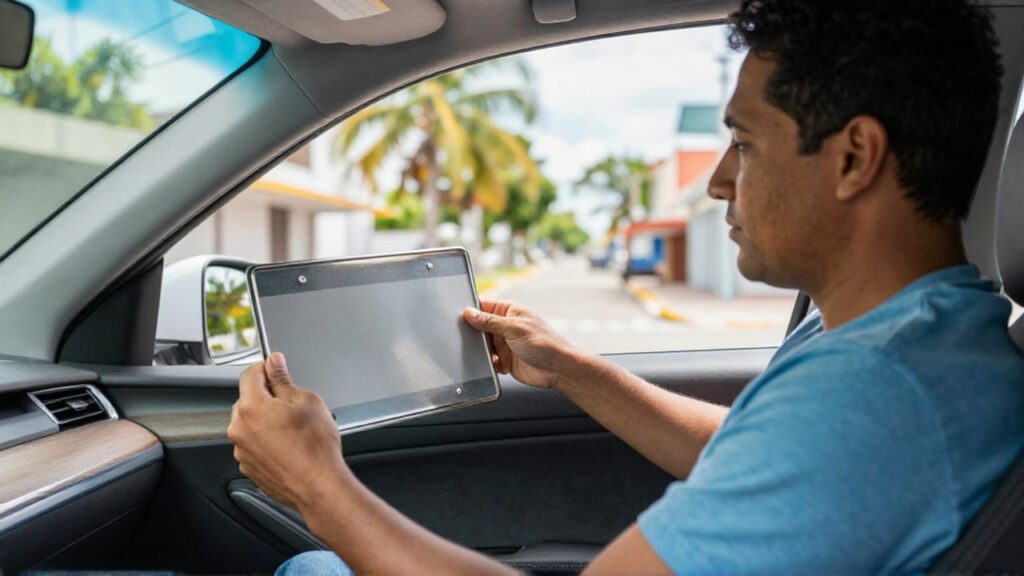
Renewing your vehicle license plate in the Dominican Republic is a mandatory administrative procedure required to maintain the legal status of your vehicle on public roads. This process ensures that your vehicle is properly registered with the national transit authorities, allowing you to operate legally and avoid significant fines or vehicle impoundment. Keeping your documentation up to date is not just a matter of compliance; it is an essential part of responsible vehicle ownership in the country.
The renewal process typically occurs on an annual basis, and the timing is often determined by the last digit of your license plate number. Failing to renew on time can lead to complications during insurance claims or when attempting to sell the vehicle. Understanding the necessary steps, documentation, and payment methods will help you navigate the bureaucracy efficiently and ensure that your transportation remains uninterrupted.
Importance of timely registration renewal
Maintaining an active license plate is one of the most critical aspects of vehicle ownership in the Dominican Republic. Beyond the legal requirement, a valid plate serves as proof that the vehicle has met the necessary fiscal and regulatory obligations to the state. When your registration is current, you minimize the risk of being pulled over by traffic authorities, which can lead to stressful interactions and unexpected costs.
Furthermore, having up-to-date documentation is vital for financial and legal security. In the event of an accident, insurance companies frequently require proof of valid registration to process claims. Similarly, if you intend to sell your car or transfer ownership, an expired license plate will act as a significant legal roadblock, delaying the transaction and potentially decreasing the market value of the vehicle.
Essential requirements for the renewal process
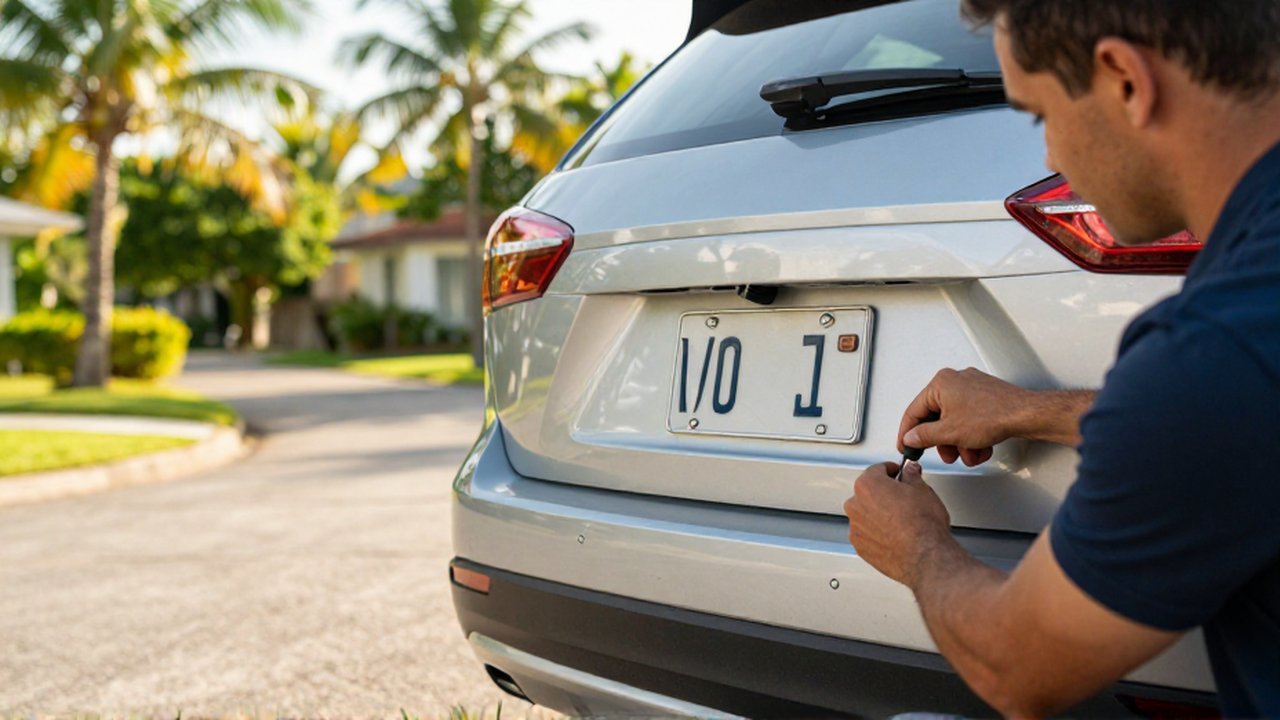
Before heading to a payment center or an administrative office, you must ensure you have all the necessary documentation ready. While specific requirements can vary slightly depending on the type of vehicle or the current administrative guidelines, the following items are generally required:
- Original Vehicle Title: You must have the legal document that proves ownership of the vehicle.
- Identification: A valid national ID card (Cédula) or a valid passport for foreign residents.
- Proof of Insurance: Current insurance documentation showing that the vehicle is covered.
- Payment Receipt: Proof of payment for the associated taxes and administrative fees.
It is highly recommended to keep photocopies of these documents alongside the originals. Having a complete file prevents multiple trips to government offices and ensures that you can complete the transaction in a single visit.
Step by step guide to renewal
The renewal process in the Dominican Republic has become increasingly modernized, often allowing for partial steps to be completed online or through various banking institutions. While the exact workflow may change, the general logic follows a structured sequence.
First, you must determine the exact amount due for your specific vehicle type. This amount is calculated based on the vehicle's category and the applicable annual taxes. Once the amount is known, you can proceed to the payment stage. Many owners prefer using authorized banks or electronic payment platforms to settle the debt, as this provides an immediate digital record of the transaction.
After the payment is successfully processed, you must ensure that the system updates your vehicle's status. In some cases, you may need to visit a specialized administrative office to collect a new sticker or physical plate, especially if the previous one is damaged or if the renewal cycle requires a physical update. Always verify that the new registration details match your vehicle's information exactly to avoid future discrepancies.
Common mistakes to avoid during registration
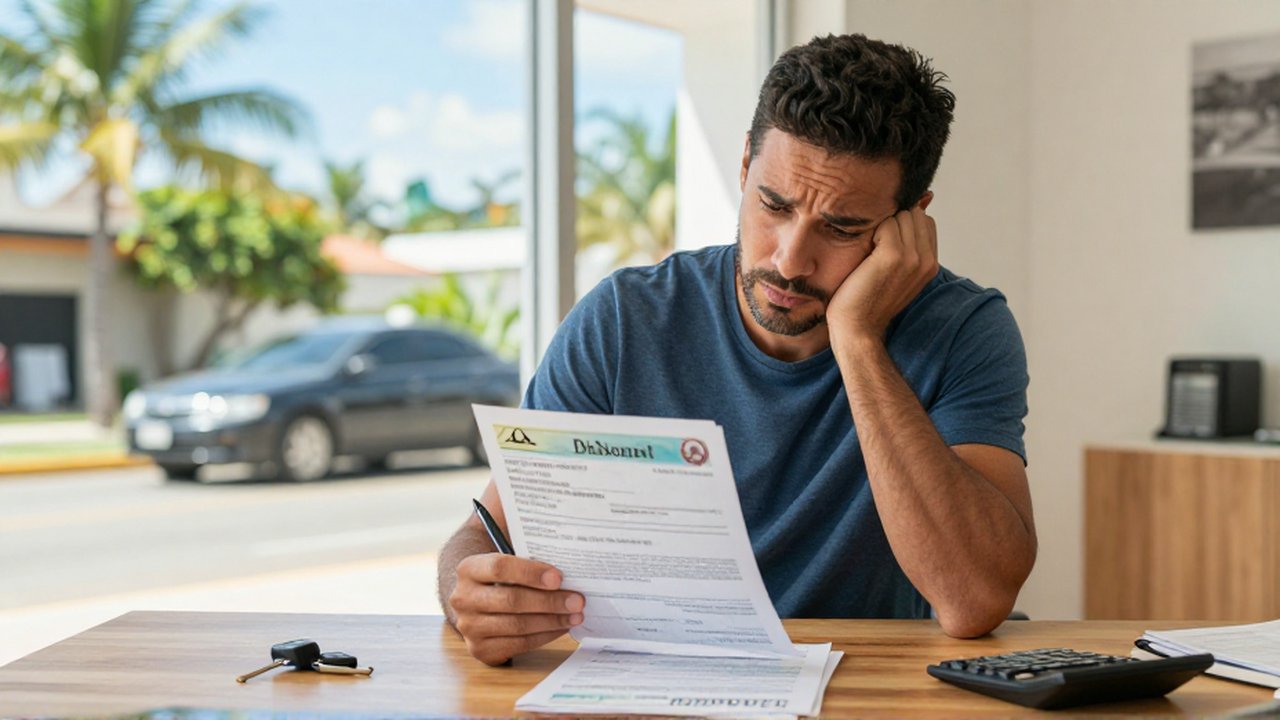
One of the most frequent errors owners make is waiting until the last minute to begin the renewal process. Because payment processing and system updates can sometimes take time, waiting until the expiration date can leave you driving an unregistered vehicle for several days. It is wise to initiate the process at least two weeks before the deadline.
Another common mistake is neglecting to check if there are outstanding fines or previous unpaid taxes associated with the vehicle. In many administrative systems, you cannot renew a license plate if there are pending penalties or unresolved traffic violations. Always verify that your vehicle has a clean record regarding municipal or national traffic fines before attempting to pay the renewal fees.
Benefits of maintaining updated documentation
Keeping your vehicle registration current offers peace of mind and practical advantages. Smooth interactions with traffic police are the most immediate benefit, as you avoid the scrutiny and penalties associated with expired permits. Additionally, a vehicle with a valid, up-to-date history is much easier to manage in terms of resale value and legal transfers.
From a logistical standpoint, a well-documented vehicle simplifies many other ownership tasks. Whether you are applying for a loan using the vehicle as collateral or registering a new insurance policy, having a valid license plate is a fundamental prerequisite that demonstrates your status as a law-abiding and organized owner.
Frequently asked questions
Can I renew my license plate online? While the initial payment and certain administrative steps can often be handled through authorized banking apps or online portals, you may still need to visit an office to finalize certain physical documentation or collect updated plates depending on the current regulations.
What happens if my license plate is stolen? If your plate is stolen, you must first file a formal police report. This report is essential to protect yourself from liability if the plate is misused and is a required document when applying for a replacement plate through the transit authorities.
Does a change in vehicle ownership require a new plate? Typically, when a vehicle is sold, the ownership must be updated in the system. While you may keep the same plate number, the registration must be legally transferred to the new owner to ensure the records are accurate and the new owner is compliant.
Do I need to renew my registration if I am out of the country? Yes, the registration is tied to the vehicle and the law. If the registration expires while the vehicle is not in use, you may face penalties or administrative complications when you return or attempt to drive the vehicle again. It is best to settle these matters through a legal representative or via electronic banking if available.
Leave a Reply