
Differences between limited and full vehicle warranties

Introduction
Understanding the nuances of vehicle warranties is essential for any driver looking to protect their investment. A warranty acts as a contractual agreement between the manufacturer and the owner, ensuring that the vehicle remains functional by covering the costs of certain repairs or replacements due to manufacturing defects. When purchasing a new or used vehicle, knowing the specific terms of your coverage can prevent unexpected financial burdens and ensure you receive the service you are entitled to.
The distinction between limited and full warranties is one of the most common points of confusion in the automotive industry. While both offer protection, they differ significantly in their scope, the components they cover, and the specific conditions required for a claim to be valid. Choosing the wrong type of coverage or misunderstanding its boundaries can lead to significant out-of-pocket expenses when a mechanical failure occurs.
Understanding the scope of limited warranties

A limited warranty is the most common type of coverage offered by automotive manufacturers. As the name suggests, its protection is restricted to specific parts or systems of the vehicle. Typically, these warranties focus on major components such as the engine, transmission, or drivetrain, but they exclude many other parts that are prone to wear and tear.
In a limited warranty scenario, the manufacturer identifies certain "protected" components and guarantees them for a specific period or mileage. For example, while your engine might be covered for several years, items like brake pads, windshield wipers, light bulbs, and tires are usually excluded because they are considered consumable parts. This type of warranty is designed to protect the owner against catastrophic mechanical failures rather than routine maintenance or minor component replacements.
Defining the characteristics of full warranties
A full warranty provides a much broader level of protection compared to its limited counterpart. In a perfect theoretical sense, a full warranty covers the entire vehicle, essentially guaranteeing that if any part fails due to a manufacturing defect, the manufacturer will repair or replace it at no cost to the owner.
In the practical automotive market, "full" coverage often refers to bumper-to-bumper warranties. These are highly comprehensive and cover a vast majority of the vehicle's systems, including electronics, climate control, and interior components. While they offer much higher peace of mind, they are generally more expensive to purchase as extended service contracts or are offered as premium features by certain manufacturers. The primary advantage of a full warranty is the elimination of guesswork; when a component malfunctions, the driver is much more likely to be covered without having to cross-reference a list of exclusions.
Key differences between coverage types
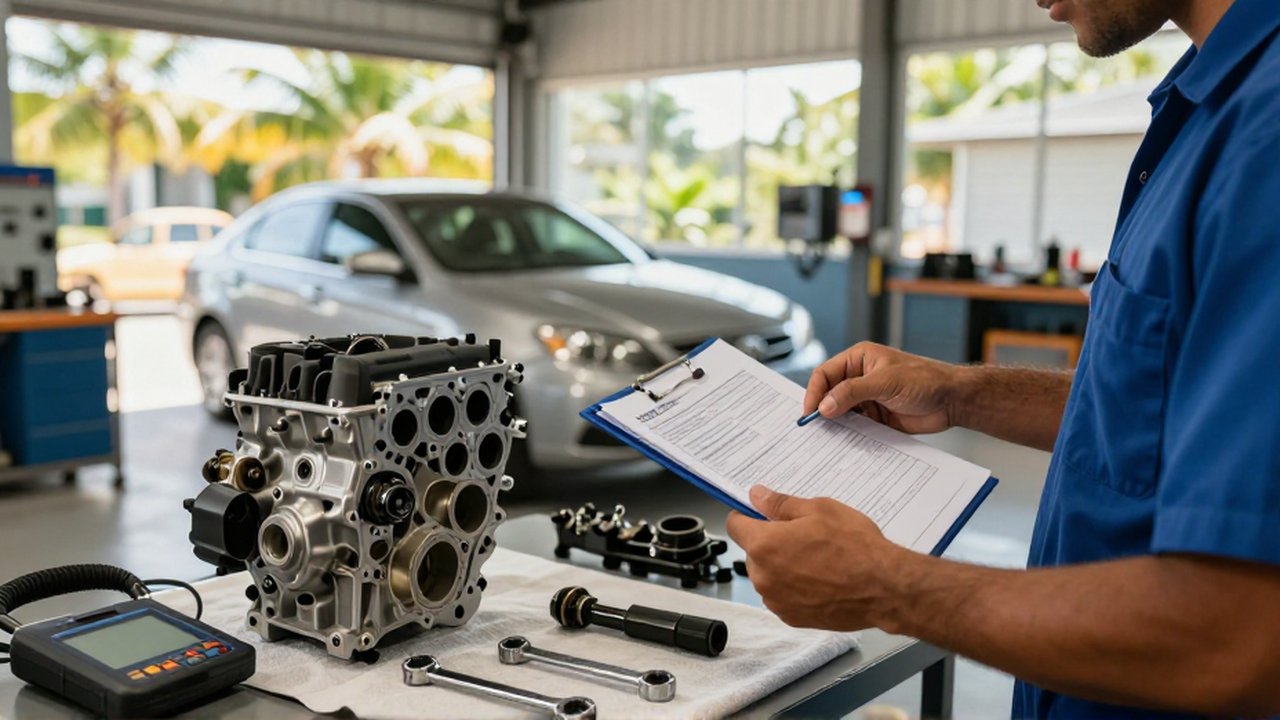
To make an informed decision, it is helpful to compare how these two types of protection operate in real-world situations. The following table highlights the fundamental differences:
| Feature | Limited Warranty | Full (Bumper-to-Bumper) Warranty |
|---|---|---|
| Coverage Area | Specific components (e.g., engine, transmission) | Most or all parts of the vehicle |
| Exclusions | High (consumables, wear-and-tear items) | Low (only specific, listed items) |
| Cost | Generally lower or included in standard sale | Generally higher |
| Primary Purpose | Protection against major mechanical failure | Comprehensive protection against most defects |
The decision between these two often comes down to a balance of risk and budget. A limited warranty is often sufficient for drivers who are diligent about routine maintenance and are primarily concerned with the most expensive parts of the vehicle. A full warranty is often preferred by those who want maximum security and want to avoid any potential repair costs regardless of which part fails.
Critical factors to consider before signing
Before accepting a warranty plan, drivers must look beyond the broad labels of "limited" or "full" and examine the fine print. Several factors can determine whether a claim is actually paid.
The Exhaustive List of Exclusions Every warranty has a list of what it does not cover. Even a seemingly broad warranty will exclude damage caused by accidents, improper maintenance, or unauthorized modifications. Always request the specific list of excluded parts.
Terms and Conditions The duration of the coverage is just as important as the scope. A warranty might cover everything but only for a very short period or a low number of kilometers. Consider how your driving habits align with the warranty limits.
Maintenance Requirements Most warranties are conditional upon the owner following the manufacturer's recommended maintenance schedule. If you fail to perform regular oil changes or inspections, the manufacturer may legally deny a claim, even if the failure is clearly a manufacturing defect.
Frequently asked questions
Does a limited warranty cover everything that breaks? No. A limited warranty only covers the specific components listed in the contract. It typically excludes wear-and-tear items like tires, brake pads, and upholstery.
Can I upgrade a limited warranty to a full warranty? In many cases, yes. Many manufacturers and third-party providers offer extended service contracts that can expand your initial limited coverage to include more components.
Will a warranty cover damage from an accident? Standard vehicle warranties, whether limited or full, do not cover damage caused by collisions, weather events, or accidents. Those types of issues are handled by vehicle insurance.
What happens if I modify my vehicle? Modifying a vehicle, such as installing an aftermarket exhaust or changing the suspension, can void parts of your warranty. If the modification is related to the component that failed, the manufacturer may deny the claim.
Leave a Reply