
Penalties for driving without a license in the Dominican Republic
Introduction
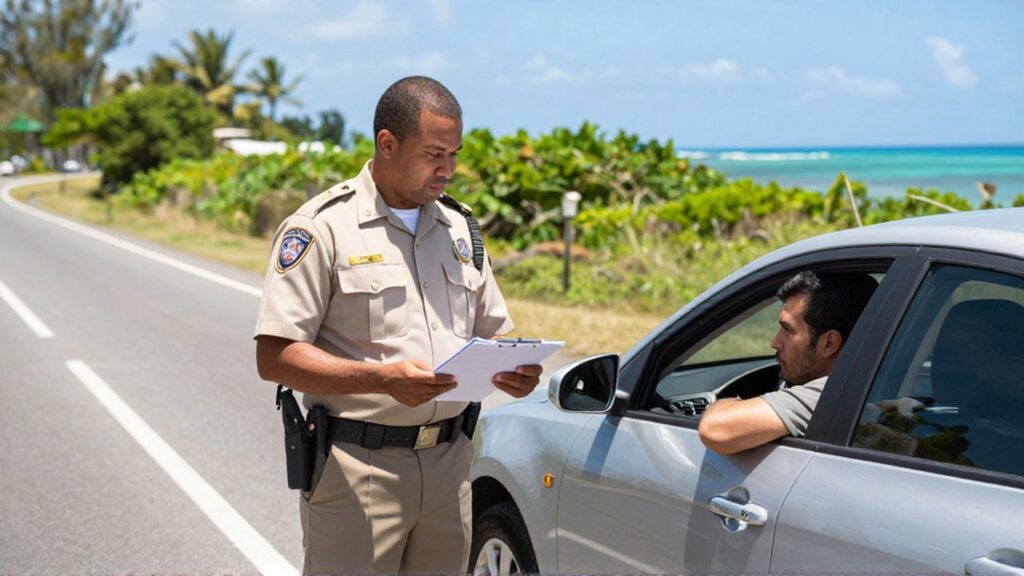
Driving in the Dominican Republic requires strict adherence to local traffic laws to ensure personal safety and legal compliance. A valid driver's license is not merely a formality; it is the primary legal document that certifies a driver's competency and permission to operate a motor vehicle on public roads. Understanding the consequences of operating a vehicle without this documentation is essential for residents and tourists alike to avoid significant legal and financial complications.
The regulations concerning unlicensed driving are designed to maintain order and accountability within the national transport system. When a driver is caught without a valid license, they face a series of administrative and legal penalties that can escalate depending on the specific circumstances of the encounter. Being aware of these rules helps drivers avoid unnecessary risks, such as vehicle impoundment or heavy fines, while promoting a culture of responsible road usage across the country.
Legal consequences of unlicensed driving
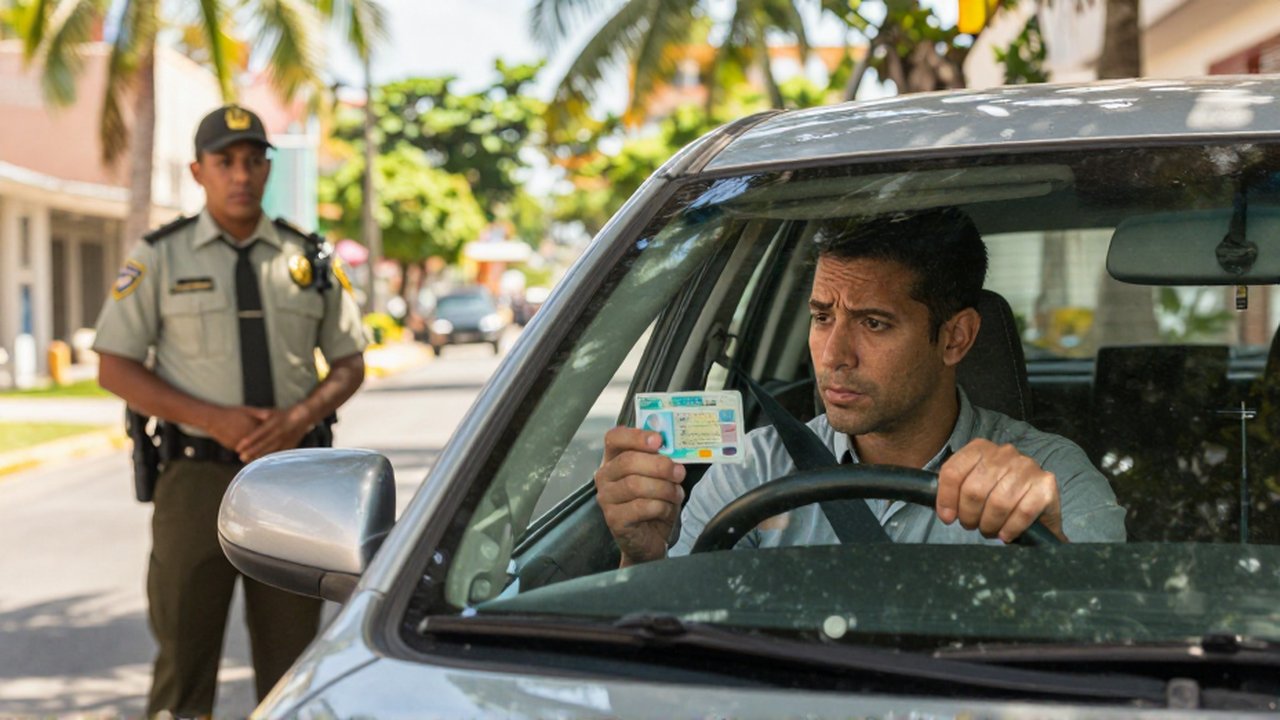
Operating a motor vehicle without a valid driver's license is considered a serious infraction under the Dominican Republic's traffic regulations. The immediate consequence of being stopped by the transit authorities (DIGESETT) is typically a significant monetary fine. This fine serves as a primary deterrent to ensure that only qualified individuals are behind the wheel.
Beyond the immediate fine, there are several critical legal repercussions that every driver must consider:
- Vehicle Impoundment: In many instances, if the driver cannot produce a valid license, the vehicle may be seized and taken to a designated impound lot. Recovering the vehicle often requires additional fees and the presentation of valid documentation.
- Legal Records: Repeated infractions for driving without a license can lead to a more permanent mark on a driver's history, which may impact future licensing processes or insurance eligibility.
- Lack of Insurance Coverage: This is perhaps the most dangerous consequence. Most insurance policies in the Dominican Republic explicitly state that coverage is void if the driver is not properly licensed. In the event of an accident, the driver becomes personally liable for all damages to third parties and their own vehicle.
Difference between expired and missing licenses
It is important for drivers to distinguish between driving with an expired license and driving without any license at all. While both situations result in penalties, the legal context can differ.
An expired license indicates that the driver was once qualified but has failed to complete the renewal process required by the transit authorities. While this is still a violation of the law and will result in fines, the process for rectifying the situation is usually a matter of administrative renewal. Conversely, driving without any license implies a total lack of legal authorization, which carries heavier scrutiny and higher risks of vehicle seizure.
Drivers should always check the expiration date on their physical card or digital record to ensure they remain in full compliance with national regulations.
Risks of operating a vehicle without documentation
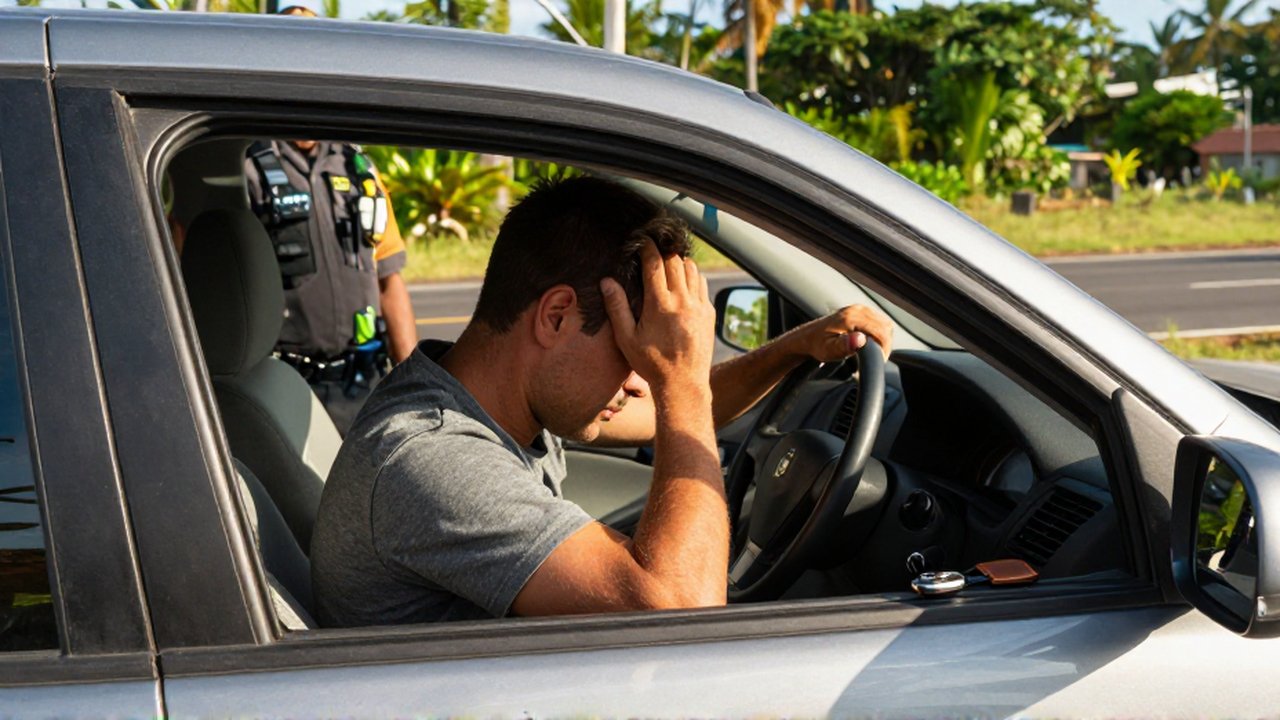
The risks associated with unlicensed driving extend far beyond simple fines. From a safety perspective, a license serves as a guarantee that the operator has passed the necessary testing to handle the complexities of local traffic. Driving without one undermines the safety standards of the entire community.
From a financial and personal security standpoint, the risks include:
- Total Financial Liability: Without a license, you lose the protection of your insurance provider. If you cause an accident, you may be required to pay for medical expenses and property damage out of pocket, which can be financially devastating.
- Legal Complications in Accidents: If an accident occurs while driving without a license, the driver is often automatically assigned a higher degree of fault in the eyes of the law, complicating any legal defense.
- Increased Scrutiny: Drivers without documentation are more likely to face stricter inspections and more frequent stops by traffic enforcement officers, increasing the likelihood of other minor infractions being identified.
Common mistakes regarding driver documentation
Many drivers find themselves in legal trouble not out of malice, but due to negligence or a misunderstanding of the law. Avoiding these frequent mistakes can prevent most encounters with traffic enforcement.
- Assuming an International Driving Permit (IDP) is sufficient: While tourists can often use an IDP alongside their home country's license, relying solely on documents that do not meet local recognition standards can lead to confusion and fines.
- Neglecting the renewal timeline: Many drivers wait until the day their license expires to seek renewal, often finding that the administrative process takes longer than expected, leaving them in an illegal state for several days.
- Carrying expired identification: A license is a primary form of identification. Even if you are not driving, an expired license may cause issues during other legal or administrative procedures in the country.
Frequently asked questions
What should I do if I realize my license has expired? You should immediately schedule an appointment with the relevant transit authorities to begin the renewal process. Until the new license or a valid temporary permit is issued, you should avoid driving to prevent fines and impoundment.
Does my foreign driver's license work in the Dominican Republic? Generally, tourists can drive using a valid license from their home country, often accompanied by an International Driving Permit. However, residents must obtain a local Dominican driver's license to be in full legal compliance.
Will my insurance cover me if my license is expired? In most cases, no. Insurance companies require the driver to be legally authorized to operate the vehicle. An expired license can be grounds for the insurer to deny a claim.
Is there a difference in penalties for motorcycles and cars? The regulations apply to all motorized vehicles. Whether you are operating a car or a motorcycle, driving without a valid license carries the same fundamental legal risks and penalties.
Leave a Reply