
List of taxes required for importing a car to Dominican Republic

Introduction
Importing a vehicle to the Dominican Republic is a complex process that involves navigating specific customs regulations and various fiscal obligations. Understanding the tax structure is essential for anyone planning to bring a car, SUV, or motorcycle into the country, as these costs represent a significant portion of the total investment. Proper financial planning ensures that you avoid unexpected delays at the port or heavy penalties from customs authorities.
This article serves as a comprehensive guide to the different taxes and duties applied to imported vehicles. By identifying these costs early, importers can better estimate their budget and ensure compliance with the Dirección General de Aduanas (DGA). Whether you are importing a personal vehicle or a commercial fleet, knowing the breakdown of these levies is the first step toward a successful importation process.
Main taxes involved in vehicle importation

When a vehicle enters Dominican territory, it is subject to several layers of taxation used by the state to regulate trade and generate revenue. The calculation of these taxes is generally based on the customs value of the vehicle, which is determined by the invoice or a standard value established by the authorities.
The primary taxes and fees include:
- Customs Duties (Arancel): This is the most significant charge. It is a percentage applied to the declared value of the vehicle. Modern customs systems often use specific tariffs depending on the type of vehicle and its engine capacity.
- Selective Consumption Tax (ISC): This tax is often applied to certain types of vehicles, particularly those considered luxury goods or those with high-displacement engines. It serves as a tool to regulate the consumption of specific products.
- Value Added Tax (ITBIS): Once the customs duties have been calculated and added to the vehicle's value, the ITBIS is applied to that new consolidated total. It is a standard consumption tax applied to almost all imported goods.
- Administrative and Port Fees: While not strictly "taxes" in the sense of revenue for the state, these are mandatory costs associated with the processing of documentation, port handling, and the physical inspection of the vehicle at the terminal.
Factors that influence the final cost
The amount you will pay is not fixed and depends on several variables. It is a common mistake to assume that the price paid in the country of origin is the only relevant figure. In reality, the Dominican customs authorities use several criteria to finalize the tax assessment.
The engine displacement (measured in cubic centimeters or cc) is one of the most critical factors. Vehicles with larger engines often face higher tax brackets. Additionally, the age of the vehicle plays a role; many countries, including the Dominican Republic, have specific regulations regarding the age limits for imported used vehicles to prevent the influx of obsolete technology.
The type of vehicle—whether it is a passenger car, a heavy truck, an electric vehicle, or a motorcycle—will also dictate which tax rates apply. For instance, many jurisdictions offer incentives or lower tax rates for electric or hybrid vehicles to promote environmental sustainability.
Comparison of tax applications
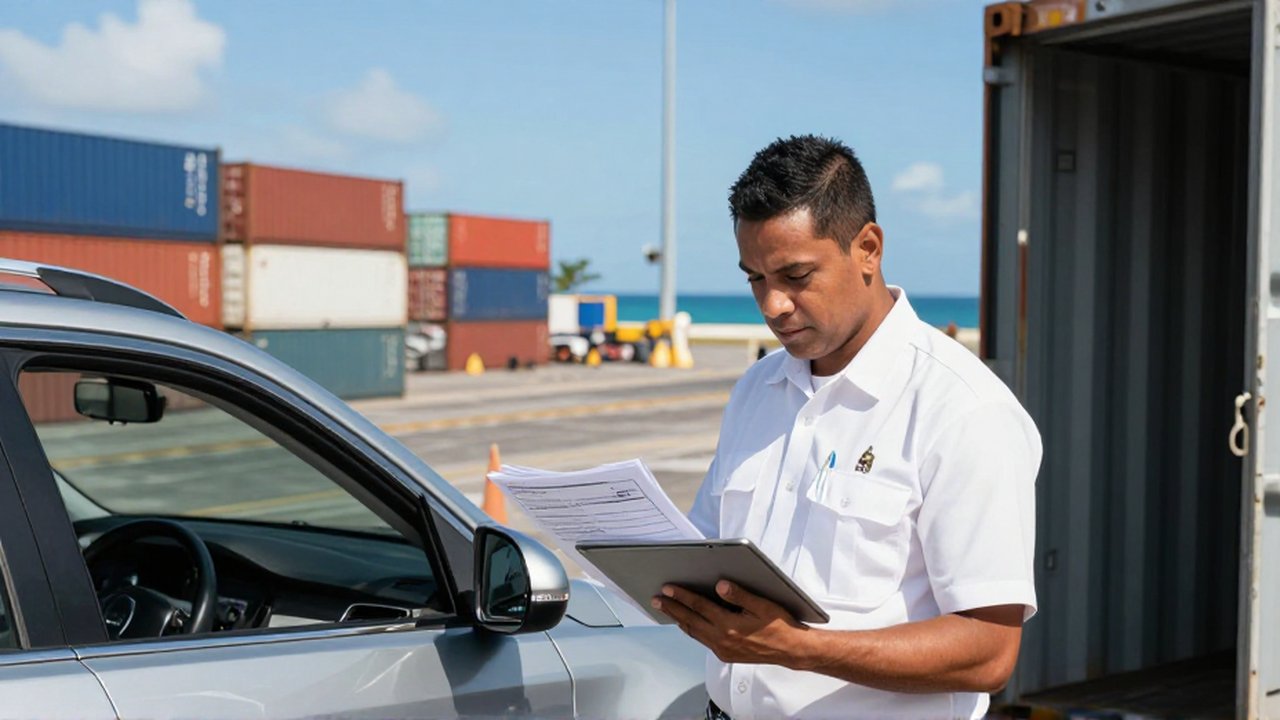
To better understand how these costs stack up, it is helpful to view them in a logical sequence of calculation. The following table illustrates the general flow of how a vehicle is taxed upon arrival.
| Component | Basis of Calculation | Purpose |
|---|---|---|
| Customs Value | Invoice or official reference | The starting point for all calculations |
| Customs Duty | Percentage of Customs Value | Regulation of international trade |
| Selective Tax (if applicable) | Percentage of Customs Value | Regulation of specific consumption/luxury |
| ITBIS | Base sum (Value + Duties + Selective Tax) | General consumption tax |
Common mistakes and recommendations
One of the most frequent errors importers make is under-declaring the value of the vehicle on customs documents. Using an artificially low price to save on taxes can lead to heavy fines, the seizure of the vehicle, or lengthy legal proceedings. Customs authorities have access to international databases to verify the fair market value of specific models.
To ensure a smoother process, it is recommended to: 1. Verify age restrictions: Always check the current laws regarding the maximum age allowed for imported used-cars. 2. Obtain a detailed invoice: Ensure the documentation clearly states the engine size, year of manufacture, and VIN. 3. Factor in port expenses: Remember that the cost of the vehicle and its taxes does not include the logistical fees for moving the car from the port to your final destination.
Frequently asked questions
Can I import any car regardless of its age? No, the Dominican Republic maintains regulations regarding the age of imported vehicles. You must verify the current year limits established by customs before purchasing a vehicle abroad.
Are electric vehicles taxed differently? Yes, there are often specific incentives or lower tax rates for electric and hybrid vehicles compared to traditional combustion engines, aimed at reducing environmental impact.
Does the price of the car in the US include the Dominican taxes? No, the price paid to the seller in the country of origin does not include the import duties, ITBIS, or port fees required to clear the vehicle in the Dominican Republic.
How is the vehicle value determined for tax purposes? Customs uses the transaction value (the price on your invoice) as a primary reference, but they also maintain a database of standard values to ensure the declared amount is realistic for the specific model and year.
Leave a Reply