
Steps to get approved for a motorcycle loan
Introduction
Securing a motorcycle loan is a strategic financial step for individuals looking to enhance their mobility, reduce commuting costs, or start a professional delivery service. Unlike standard vehicle loans, motorcycle financing often requires a specific understanding of how lenders assess risk, as motorcycles are viewed differently in terms of depreciation and safety. Understanding the approval process allows you to prepare your finances effectively, ensuring you receive terms that align with your long-term budget.
Getting approved is not merely about having the funds available; it is about demonstrating stability and reliability to a financial institution. Whether you are looking to purchase a small commuter bike or a high-performance machine, the journey from application to approval involves several critical phases, including credit assessment, income verification, and collateral evaluation. By following a structured approach, you can minimize the risk of rejection and avoid high-interest rates.
Check your credit score and financial health
The most significant factor in a loan approval is your credit history. Lenders use your credit score to determine the likelihood that you will repay the debt on time. A higher score generally translates to lower interest rates and more favorable repayment terms, while a low score might result in denial or significantly higher costs. Before applying, it is essential to review your credit report to identify any errors, unpaid debts, or inconsistencies that could negatively impact your rating.
Beyond your credit score, lenders look at your debt-to-income ratio (DTI). This is a calculation of how much of your monthly income goes toward paying existing debts, such as rent, student loans, or credit card balances. If your DTI is too high, a lender may conclude that you cannot afford an additional monthly motorcycle payment, even if your income is substantial. Aiming for a lower DTI by paying down small debts before applying can significantly improve your chances.
Gather necessary documentation

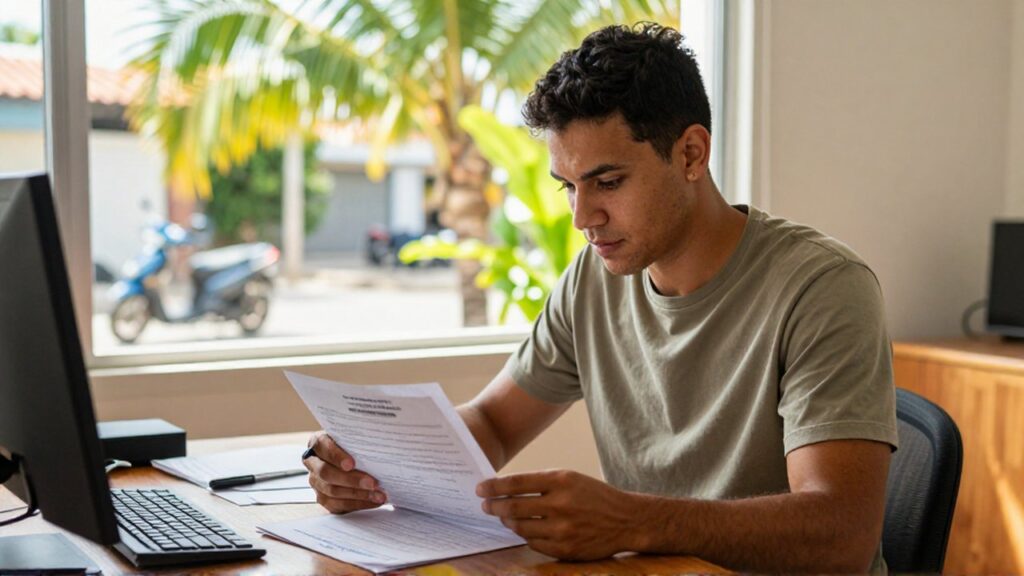
A common reason for application delays or denials is incomplete documentation. To streamline the process, you should organize all evidence of your identity, residence, and income. Financial institutions require proof that you are a stable resident and a consistent earner. Having these documents ready demonstrates preparedness and professionalism to the loan officer.
Typical documentation required for a motorcycle loan includes:
| Document Type | Purpose |
|---|---|
| Proof of Identity | Valid government-issued ID (Passport or Driver's License) |
| Proof of Income | Recent pay stubs, tax returns, or bank statements |
| Employment Verification | Contact information for your current employer |
| Proof of Residence | Utility bills or rental agreements |
| Vehicle Information | The specific details of the motorcycle you intend to buy |
Compare loan offers and interest rates
Not all motorcycle loans are created equal. Depending on your financial profile, you may qualify for different types of financing, such as loans through traditional banks, credit unions, or specialized dealership financing. Each institution has different criteria regarding the minimum credit score required and the maximum loan amount they are willing to provide.
When comparing offers, do not focus solely on the monthly payment. A lower monthly payment often means a longer loan term, which results in paying much more in total interest over the life of the loan. Instead, compare the Annual Percentage Rate (APR), which includes both the interest rate and any mandatory fees. Examining the total cost of borrowing will provide a clearer picture of the actual financial commitment you are making.
Prepare for the down payment
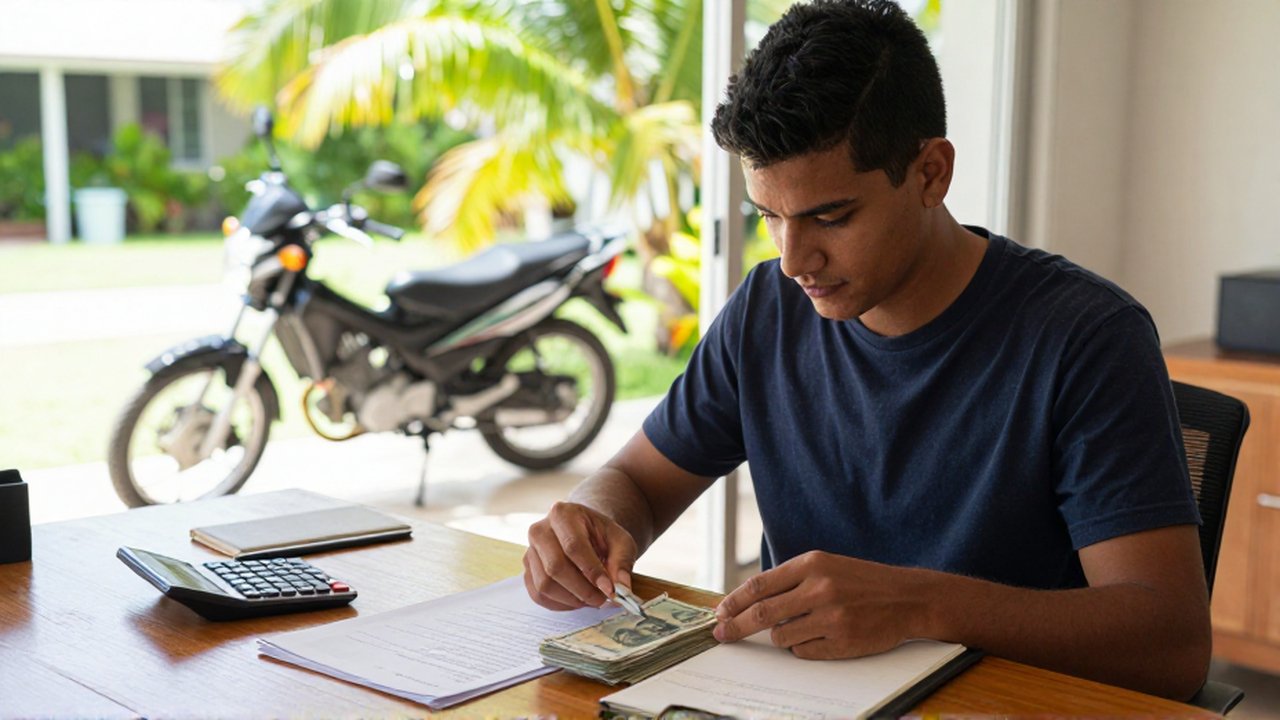
While some lenders offer zero-down financing, providing a down payment is one of the most effective ways to ensure approval and improve loan terms. A down payment serves two purposes: it reduces the total amount you need to borrow and it lowers the lender's risk by increasing your immediate equity in the motorcycle.
A larger down payment can offset a mediocre credit score. If you have limited savings, consider selling unused items or passing on non-essential expenses for a few months to build a dedicated fund. Even a small percentage of the motorcycle's value can make a noticeable difference in your monthly installment amounts and the overall feasibility of the loan.
Avoid common application mistakes
One of the most frequent mistakes applicants make is applying for multiple loans simultaneously. Each time a lender performs a "hard inquiry" on your credit report, your score may dip slightly. Multiple inquiries in a short period can signal to lenders that you are in a state of financial distress or are desperate for credit, which increases your perceived risk.
Another mistake is changing your financial situation right before or during the application process. Taking out a new credit card, financing a different vehicle, or changing jobs abruptly can trigger red flags during the verification phase. For the best chance of approval, maintain a period of financial stability for at least three to six months prior to your application.
Frequently Asked Questions
Can I get a motorcycle loan with bad credit? Yes, it is possible, but it is more difficult. You may need to provide a larger down payment, find a specialized lender, or accept a much higher interest rate to compensate for the increased risk.
What is the difference between a secured and unsecured motorcycle loan? A secured loan uses the motorcycle itself as collateral, meaning the lender can seize the bike if you fail to pay. An unsecured loan is based solely on your creditworthiness and does not require collateral, but it typically carries much higher interest rates.
How much of a down payment should I aim for? While requirements vary, aiming for 10% to 20% of the motorcycle's purchase price is generally recommended. This helps lower your monthly payments and builds equity more quickly.
Does the age of the motorcycle affect loan approval? Yes. Lenders are often hesitant to finance older motorcycles because they depreciate faster and may have lower resale value. Most financing programs are geared toward newer models or relatively recent used bikes.
Leave a Reply