
Essential car fluids check list for tropical driving
Introduction
Driving in a tropical climate presents a unique set of challenges for any vehicle. High ambient temperatures, intense sunlight, and sudden periods of heavy rainfall put constant stress on your car's mechanical systems. Maintaining the correct levels and quality of essential fluids is the most effective way to prevent overheating, premature wear, and sudden breakdowns during your commute.
Regularly monitoring these liquids ensures that your engine, transmission, and braking systems function efficiently under extreme heat. Instead of waiting for a warning light on your dashboard, proactive checking allows you to identify leaks or degradation before they turn into expensive repairs. This checklist serves as a guide to staying ahead of the thermal demands placed on your vehicle by tropical environments.
Importance of coolant for engine temperature control
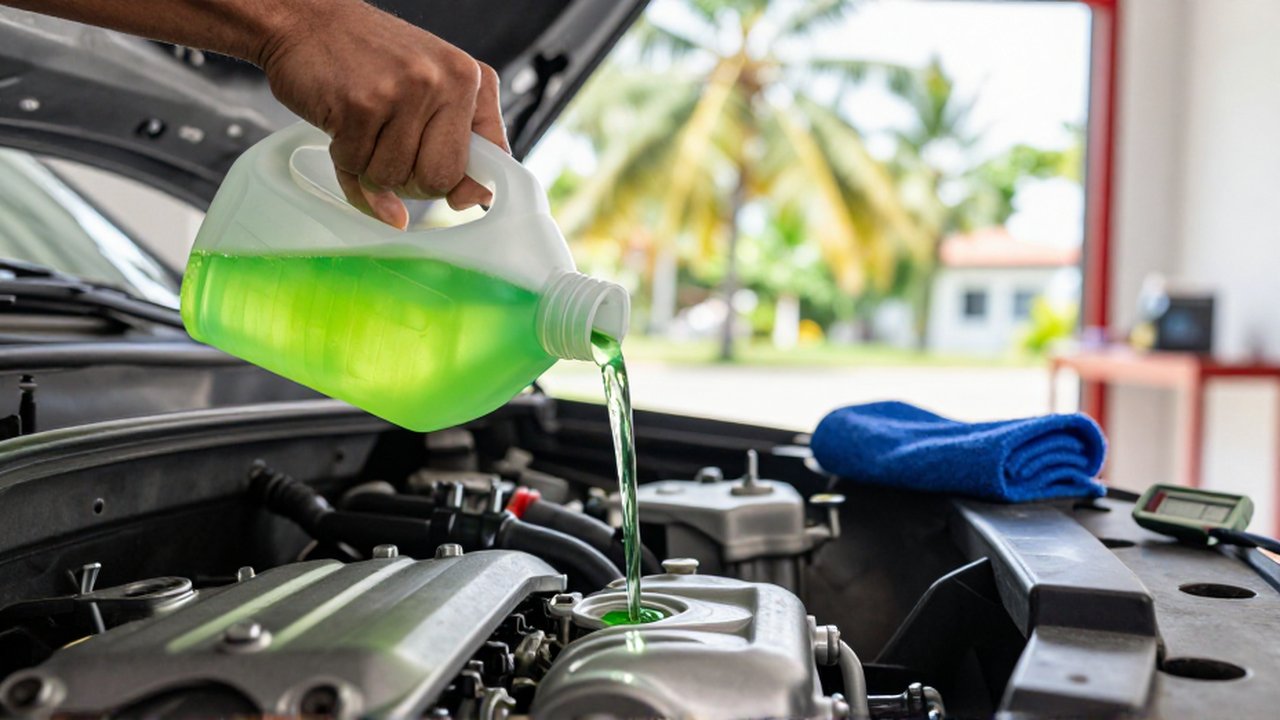
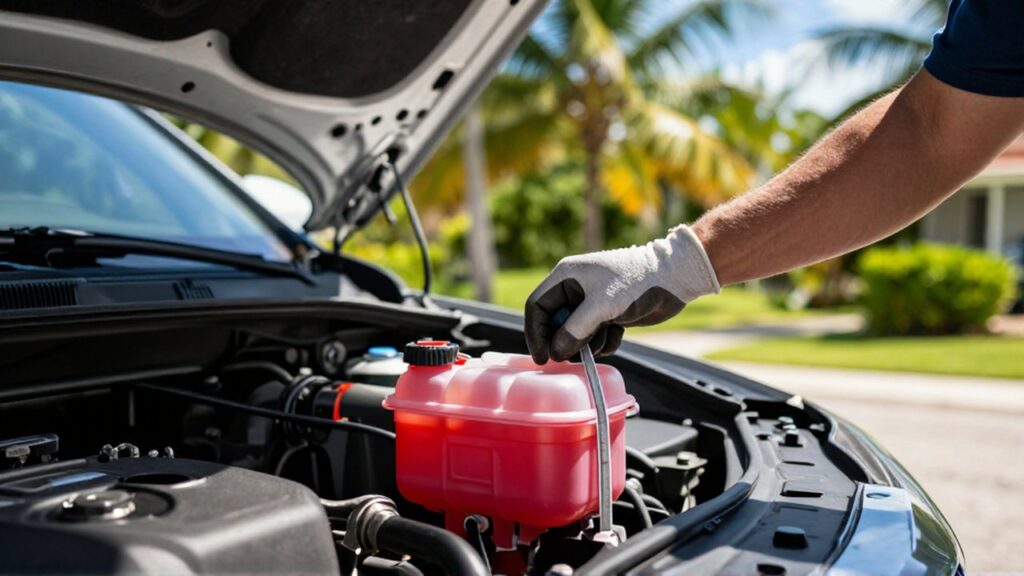
The cooling system is the most critical defense against the heat typical of tropical regions. The coolant (or antifreeze) does not just prevent freezing; its primary role in warm climates is to transfer heat away from the engine block to the radiator. When coolant levels are low or the fluid has become contaminated, the engine temperature can spike rapidly, leading to severe damage such as warped cylinder heads or blown gaskets.
You should check the coolant level frequently, especially before long trips in heavy traffic. Always inspect the fluid while the engine is cool to avoid the risk of severe burns from pressurized steam. Look for signs of discoloration; if the liquid appears rusty or murky, it is time for a flush. Ensure the fluid reaches the "Full" mark on the reservoir, but never overfill it, as the system needs space for natural expansion as it heats up.
Vital roles of engine oil and lubrication
Engine oil serves as the lifeblood of your vehicle, providing lubrication to moving parts and helping to dissipate heat. In tropical climates, oil can break down more quickly due to constant high operating temperatures. When oil loses its viscosity, it fails to create an effective protective film, leading to increased friction and metal-on-metal contact.
Checking your oil involves two main steps: monitoring the level using the dipstick and observing its condition. The level should be between the minimum and maximum marks. Regarding condition, if the oil looks extremely dark or feels gritty, its lubricating properties may be compromised. Regular oil changes are essential in hot climates to ensure the chemical additives remain effective at managing heat and preventing sludge buildup.
Brake fluid integrity and moisture absorption
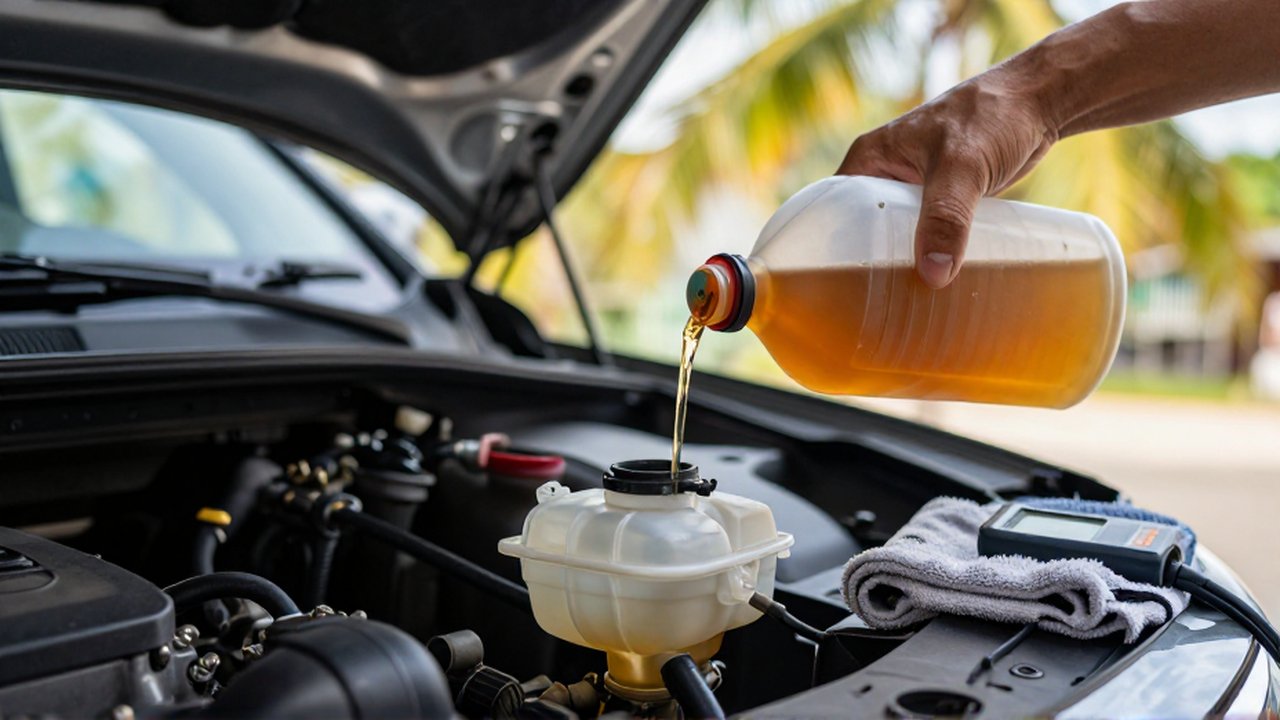
Brake fluid is a hygroscopic liquid, meaning it has a natural tendency to absorb moisture from the air. In humid tropical environments, this process happens more rapidly. As moisture enters the brake lines, it lowers the fluid's boiling point and can cause internal corrosion within the braking system. This can lead to a "spongy" brake pedal or, in extreme cases, total brake failure during heavy braking.
To maintain safety, inspect the brake fluid reservoir to ensure the level is consistent with manufacturer recommendations. If the fluid appears dark or cloudy, it likely contains moisture or contaminants and should be replaced. Maintaining pure, dry fluid is necessary to ensure consistent hydraulic pressure and reliable stopping power, even when the vehicle is under heavy load in high temperatures.
Transmission fluid and power steering maintenance
The transmission fluid is responsible for regulating the temperature and lubrication of the gears within your gearbox. High ambient heat can cause transmission fluid to overheat, leading to slipping gears or delayed shifts. Similarly, power steering fluid ensures that steering remains smooth and effortless. While less critical for engine survival than coolant, a failure in these systems can leave you stranded or unable to maneuver safely.
| Fluid Type | Primary Function | Tropical Risk Factor |
|---|---|---|
| Coolant | Heat dissipation | Engine overheating |
| Engine Oil | Lubrication and cooling | Viscosity breakdown |
| Brake Fluid | Hydraulic pressure | Moisture absorption/Corrosion |
| Transmission Fluid | Gear lubrication | Fluid overheating/Degradation |
Check these fluids by looking for leaks on your driveway and by using the appropriate dipsticks or reservoirs. If you notice any changes in how the car shifts or how the steering feels, it is often a sign that the fluid levels or quality have dropped below functional levels.
Frequently asked questions
How often should I check my vehicle fluids? A monthly inspection is a good baseline for most drivers. However, if you drive frequently in heavy traffic or endure extreme midday heat, you should increase the frequency of these checks to every two weeks.
Can I use any type of fluid in my car? No. Always use the specific types and grades recommended in your vehicle's owner manual. Using the wrong viscosity of oil or the incorrect type of coolant can cause immediate mechanical issues.
What should I do if I see a puddle under my car? The color and consistency of the puddle can help identify the problem. Green or orange is usually coolant, dark brown or black is engine oil, and reddish fluid is often transmission or power steering fluid. If you see a leak, consult a mechanic immediately to prevent further damage.
Does humidity affect my car fluids? Yes, especially brake fluid. High humidity increases the amount of moisture that can be absorbed into the hydraulic system, which can compromise your braking performance over time.
Leave a Reply