
Importance of checking ground wires in vehicle electrical systems

Introduction
The electrical system in a modern vehicle is a complex network of wires, sensors, and control modules that rely on a continuous flow of energy to function. While most attention is given to the battery, alternator, and starter, many drivers overlook the critical role played by ground wires. Ground wires complete the electrical circuit by providing a return path for current back to the negative terminal of the battery, essentially using the vehicle's metal chassis as a massive conductor.
Without a reliable connection to the ground, the entire electrical architecture is compromised. A poor ground connection can lead to erratic behavior in everything from your headlights to your engine control unit. Checking these connections is essential during routine maintenance or when troubleshooting electrical gremlins that seem to have no obvious cause. Ensuring that these paths are clean, tight, and free of corrosion is a fundamental step in maintaining vehicle reliability and preventing costly repairs.
Function of ground wires in a circuit
To understand why these wires are important, one must understand how electricity moves. An electrical circuit must be a closed loop. Electricity flows from the positive terminal of the battery, through the components (like a light bulb or a fuel pump), and then must find its way back to the negative terminal of the battery to complete the loop. In most vehicles, instead of running a second heavy wire back to the battery for every single component, manufacturers use the metal frame and engine block of the car as the return path.
Ground wires act as the bridge between the individual components and the chassis. When a component is "grounded," it is physically connected to the metal structure of the vehicle. If this connection is weak, the electricity encounters high resistance. High resistance generates heat, wastes energy, and prevents the component from receiving the correct voltage required to operate efficiently.
Common symptoms of poor grounding

When ground wires begin to fail due to age, vibration, or environmental factors, the vehicle will often display specific warning signs. These symptoms are frequently mistaken for failing components, leading drivers to replace expensive parts unnecessarily.
Common indicators include:
- Dim or flickering lights: Headlights or dashboard illumination may appear weak or fluctuate in brightness, especially when other electrical devices are turned on.
- Erratic sensor readings: Modern vehicles rely on precise voltage for sensors. A bad ground can cause the computer to receive incorrect data, triggering "ghost" check engine lights or stalling.
- Slow engine cranking: If the engine's main ground strap is corroded, the starter motor may not receive enough current, making the engine turn over slowly even if the battery is fully charged.
- Parasitic drain: A faulty ground can sometimes create a path where electricity continues to leak even when the car is off, leading to a dead battery overnight.
Causes of ground connection failure
In tropical climates or coastal areas, electrical connections are particularly vulnerable to environmental stress. Several factors can degrade a ground connection over time.
The most frequent culprit is corrosion. Moisture and salt in the air can react with the metal at the contact point, creating a layer of oxidation. This oxidation acts as an insulator, blocking the flow of electricity. Vibration is another major factor; as a vehicle moves, engine and road vibrations can loosen the bolts holding ground wires to the chassis, creating a high-resistance connection.
Finally, mechanical damage often plays a role. During repairs or even simple roadside accidents, wires can be pinched, frayed, or accidentally disconnected. Furthermore, if a vehicle has undergone aftermarket modifications—such as the installation of high-powered audio systems—the existing grounding points may be overloaded, leading to overheating and premature failure.
Steps for inspecting ground connections
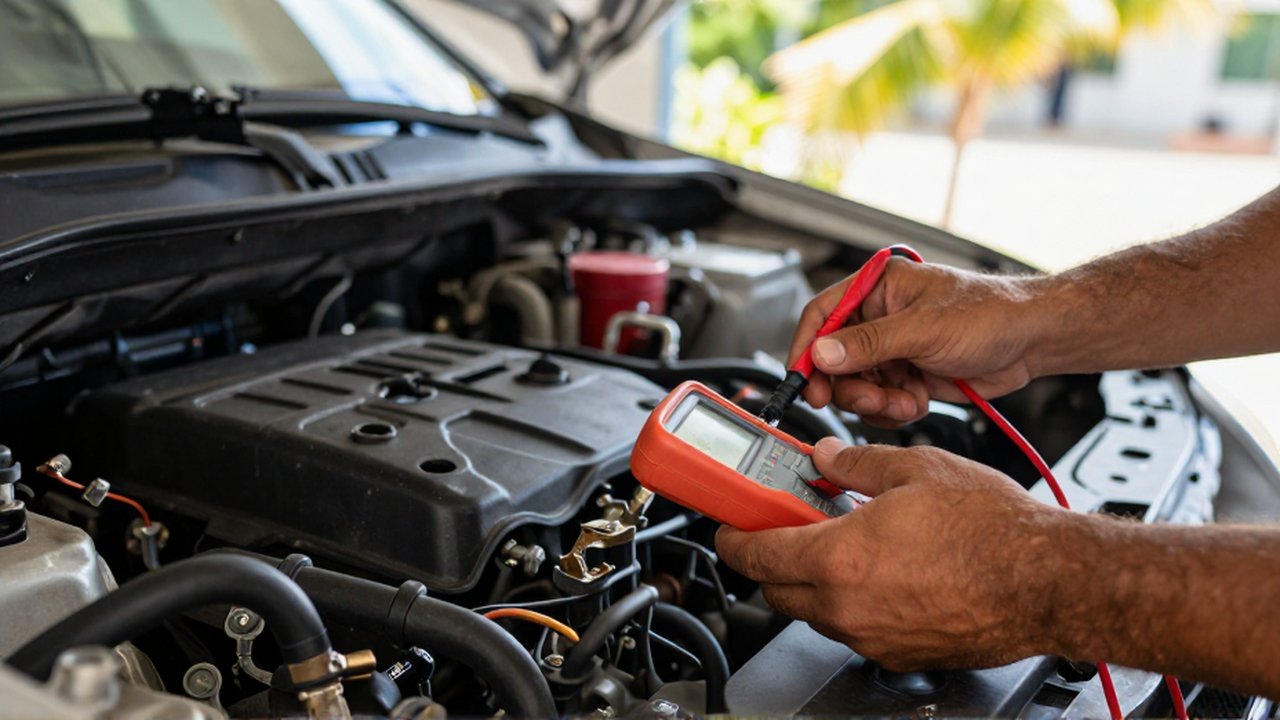
Inspecting your vehicle's grounding system does not always require advanced diagnostic tools, though a multimeter is highly recommended for definitive testing. A visual inspection is the best starting point.
Begin by locating the main ground strap, which typically connects the engine block to the vehicle chassis. Check for signs of heavy rust, green or white powdery residue (corrosion), or loose mounting bolts. Next, inspect the battery terminals to ensure the negative cable is securely attached and the contact surface is clean.
For a more thorough check, examine smaller ground points located near lights, sensors, and interior electronic modules. If you find a connection that looks dull or crusty, it should be cleaned. Removing the wire, scrubbing the contact point with a wire brush until the metal shines, and re-tightening the connection can often resolve electrical issues.
Benefits of maintaining clean electrical grounds
Maintaining a robust grounding system offers several practical benefits for vehicle owners. First, it ensures component longevity. Electrical components operate best when they receive a stable, predictable voltage. Preventing voltage spikes and drops reduces the stress on sensitive electronics.
Second, it improves fuel efficiency and performance. When sensors and fuel pumps receive the correct amperage, they operate according to their designed specifications, which helps maintain optimal engine combustion. Lastly, it provides diagnostic clarity. A vehicle with a solid grounding system is much easier to troubleshoot, as you can rule out "phantom" electrical issues and focus on actual mechanical or electronic failures.
Frequently asked questions
Can a bad ground cause my car to not start? Yes. If the main ground connection between the battery and the chassis or engine is broken or heavily corroded, the starter motor will not receive enough current to turn the engine, even if the battery itself is healthy.
Is it safe to clean ground wires with water? You should avoid spraying high-pressure water directly onto electrical connectors. It is better to use specialized electrical contact cleaners or a wire brush to remove corrosion mechanically, followed by a dry cloth to ensure no moisture remains trapped in the connection.
How often should I check my electrical grounds? While there is no set interval, it is wise to inspect them during every major oil change or whenever you notice the electrical system behaving strangely. In humid or salty environments, more frequent inspections are recommended.
Why do my lights dim when I use the air conditioning? This often indicates that the electrical system is under heavy load and is struggling to maintain stable voltage, which is frequently caused by a weak ground connection that cannot handle the increased current demand.
Leave a Reply