
Guide to replacing motorcycle air filters regularly
Introduction
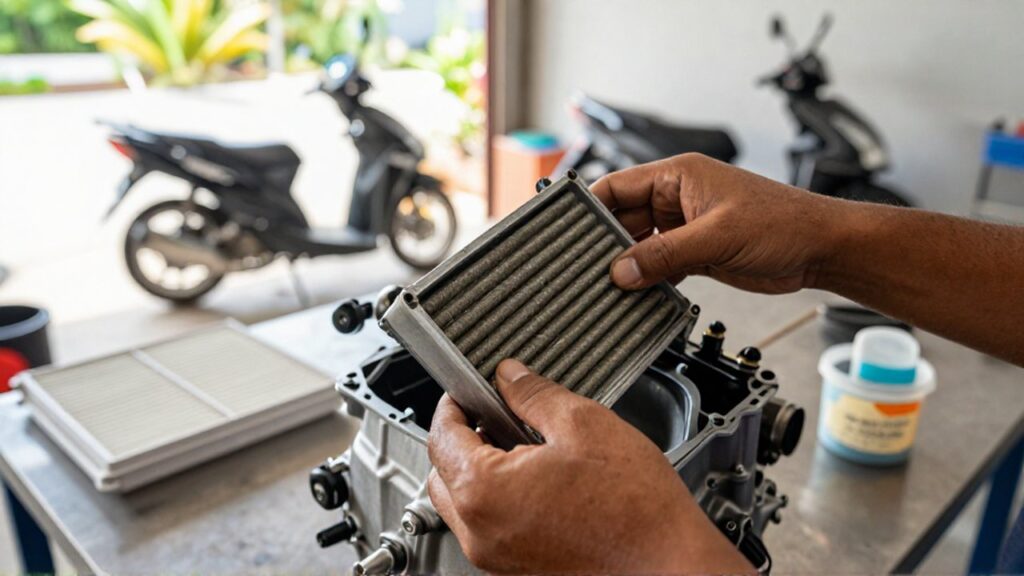
The air filter is a critical component of a motorcycle's engine, acting as the primary barrier between the outside environment and the combustion chamber. Its main purpose is to trap dust, dirt, sand, and other airborne particles before they enter the engine. In regions with high humidity or dusty roads, this component works particularly hard to ensure that only clean, filtered air reaches the cylinders to facilitate efficient combustion.
Regularly replacing or maintaining the motorcycle air filter is essential for sustaining engine performance and longevity. When a filter becomes clogged, the engine struggles to "breathe," leading to a restricted airflow that disrupts the precise air-fuel mixture required for smooth operation. Neglecting this simple maintenance task can result in noticeable power loss, increased fuel consumption, and potential long-term internal engine damage caused by microscopic debris bypassing a saturated filter.
Importance of clean airflow for engine efficiency
A motorcycle engine relies on a delicate balance between fuel and air. When the air filter is clean, the engine can draw in a consistent volume of air, allowing the Electronic Control Unit (ECU) or carburetor to deliver the optimal amount of fuel. This synergy ensures maximum power output and smooth throttle response.
When the filter is dirty, the restriction in airflow causes the engine to run "rich," meaning there is too much fuel and not enough air in the combustion cycle. This inefficiency leads to several issues:
- Increased fuel consumption: The engine must work harder and burn more fuel to compensate for the lack of oxygen.
- Reduced acceleration: Riders will notice a "bogging" sensation or a delay when attempting to increase speed.
- Carbon buildup: An improper air-fuel mixture can lead to excess carbon deposits on spark plugs and valves.
- Higher operating temperatures: Incomplete combustion can cause the engine to run hotter than designed.
Signs of a clogged air filter
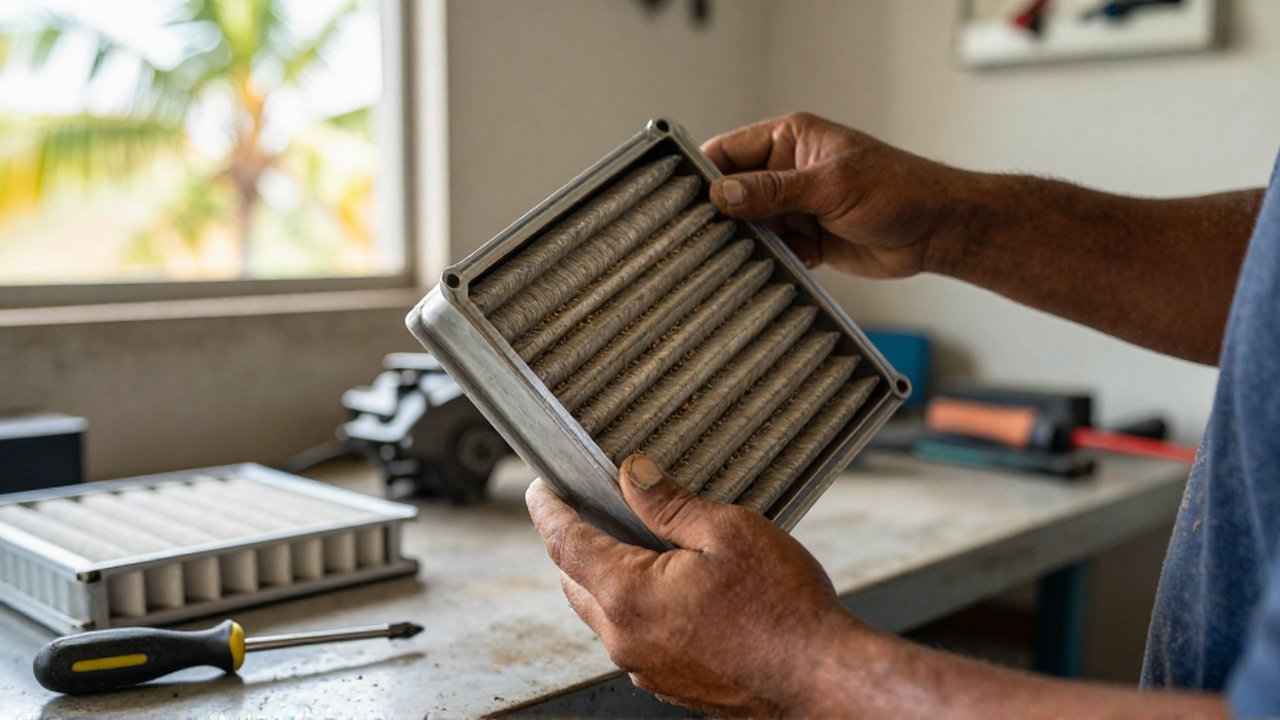
Identifying when a filter needs replacement can save you from unexpected breakdowns. While many manufacturers provide specific mileage intervals for replacement, it is equally important to monitor the physical behavior of your motorcycle.
One of the most common signs is a significant drop in performance. If the motorcycle feels sluggish during acceleration or struggles to maintain a steady idle, the air intake might be obstructed. Additionally, if you notice a decrease in fuel economy—meaning you are visiting the gas station more frequently for the same distance traveled—it is often a symptom of a restricted air intake.
Another indicator is exhaust smoke. If the engine is running excessively rich due to a blocked filter, you may see dark smoke exiting the exhaust pipe. Finally, a visual inspection is the most reliable method. If you open the airbox and see a thick layer of grime, oil saturation, or debris embedded in the filter material, replacement is necessary.
Types of motorcycle air filters
Not all motorcycle air filters are created equal. Depending on your bike's design and your riding style, you will encounter different materials. Understanding these types helps in making the right replacement choice.
| Filter Type | Common Material | Characteristics |
|---|---|---|
| Paper Filters | Cellulose/Paper | Most common in street motorcycles. They are inexpensive but generally cannot be cleaned; they must be replaced. |
| Foam Filters | Polyurethane Foam | Common in off-road and dirt bikes. They are highly effective at trapping fine dust but require regular cleaning and re-oiling. |
| High-Flow Filters | Synthetic/Cotton Gauze | Often used in performance upgrades. They allow more air through but may require more frequent cleaning to maintain protection. |
Steps for replacing the air filter
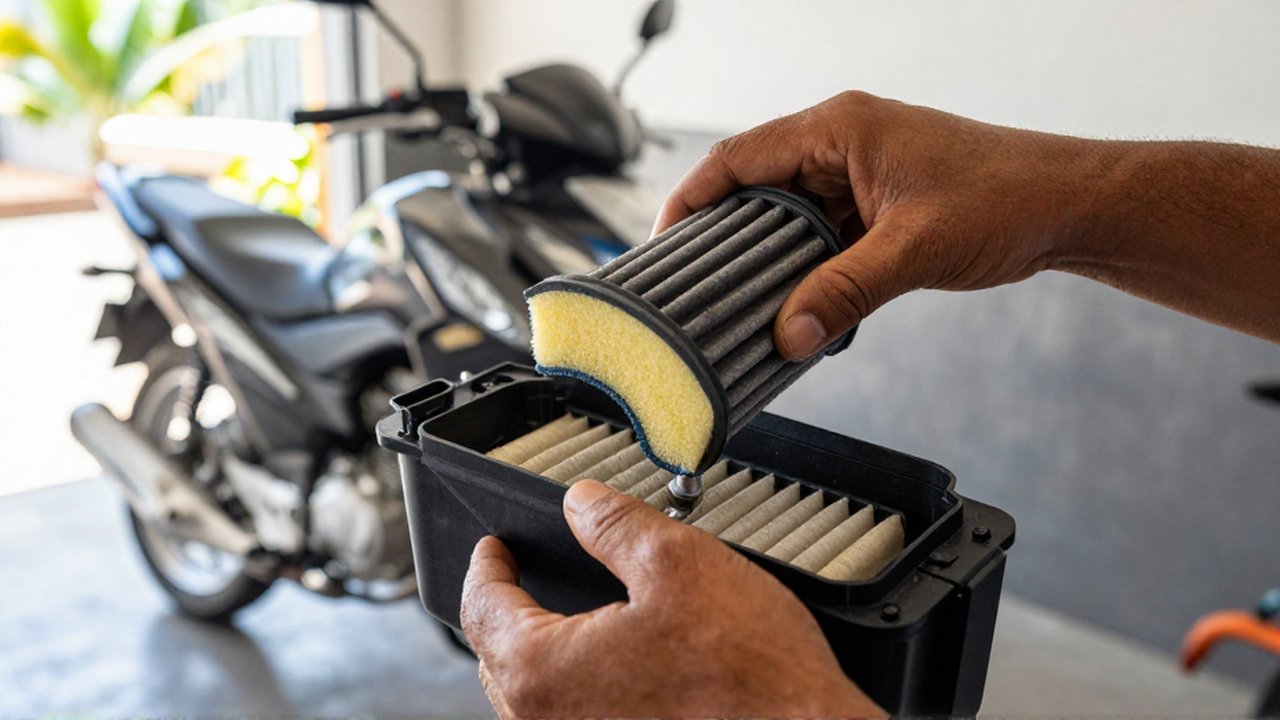
Replacing an air filter is a fundamental maintenance task that most riders can perform with basic tools. While the exact location of the airbox varies by model, the general procedure follows a similar pattern.
First, access the airbox by removing the necessary bodywork or seat components. Once the airbox is exposed, locate the housing that contains the filter. Use the appropriate tools, such as a screwdriver or hex key, to loosen the clips or bolts securing the cover.
Carefully remove the cover and extract the old filter. Before installing the new one, it is vital to clean the interior of the airbox. Use a lint-free cloth to remove any accumulated dust or debris that might fall into the intake during the swap. Inspect the seals on the airbox cover to ensure they are not cracked or compressed.
Finally, place the new filter into the housing, ensuring it sits perfectly flush against the edges. Reinstall the cover and tighten the fasteners. Always double-check that the filter is seated correctly, as a gap in the seal allows unfiltered air to bypass the element entirely.
Common mistakes to avoid during maintenance
One of the most frequent errors is attempting to clean a disposable paper filter. Some riders try to blow out dust with compressed air or wash them with water, but this can damage the protective fibers or cause the paper to disintegrate. Once a paper filter is dirty, it must be replaced.
Another mistake is over-oiling foam filters. While foam filters require oil to trap fine particles, applying too much oil can actually clog the pores of the filter, restricting airflow and defeating the purpose of the maintenance.
Lastly, failing to clean the airbox itself is a significant oversight. If you place a brand-new filter into a dirty airbox, the leftover debris will immediately contaminate the new element, shortening its lifespan and potentially allowing dirt into the engine.
Frequently asked questions
How often should I check my air filter? While manufacturers recommend intervals based on mileage, you should inspect it more frequently if you ride in dusty, sandy, or high-pollution environments.
Can a dirty air filter damage my engine? Yes. Over time, a heavily clogged filter causes poor combustion, and in some cases, a damaged or improperly seated filter can allow abrasive particles to enter the engine, causing permanent internal wear.
Is it better to clean or replace my filter? This depends on the material. Paper filters must be replaced. Foam filters can be cleaned and re-oiled. High-performance synthetic filters are typically cleaned and reused according to specific instructions.
Will a high-flow air filter improve my speed? High-flow filters are designed to improve airflow, which can optimize performance, but they do not magically increase horsepower without other engine modifications. They are primarily intended to allow the engine to breathe more freely.
Leave a Reply