
How to perform a basic headlight and signal inspection

Introduction
Maintaining your vehicle's lighting system is a fundamental aspect of road safety and vehicle ownership. Headlights and signal lights serve as the primary means of communication between you and other drivers, especially during nighttime driving, heavy rain, or foggy conditions. A functional lighting system ensures you can see the road ahead clearly while simultaneously signaling your intentions to pedestrians and other motorists, preventing accidents and confusion.
Performing a basic inspection of these components is a simple preventive measure that should be done regularly. It is appropriate to conduct these checks every month, before any long-distance trip, or immediately after noticing a flicker or dimness in your lights. By identifying a burnt-out bulb or a faulty connection early, you can avoid costly repairs and, more importantly, ensure that your vehicle remains compliant with safety standards and visible to others at all times.
Importance of functional vehicle lighting
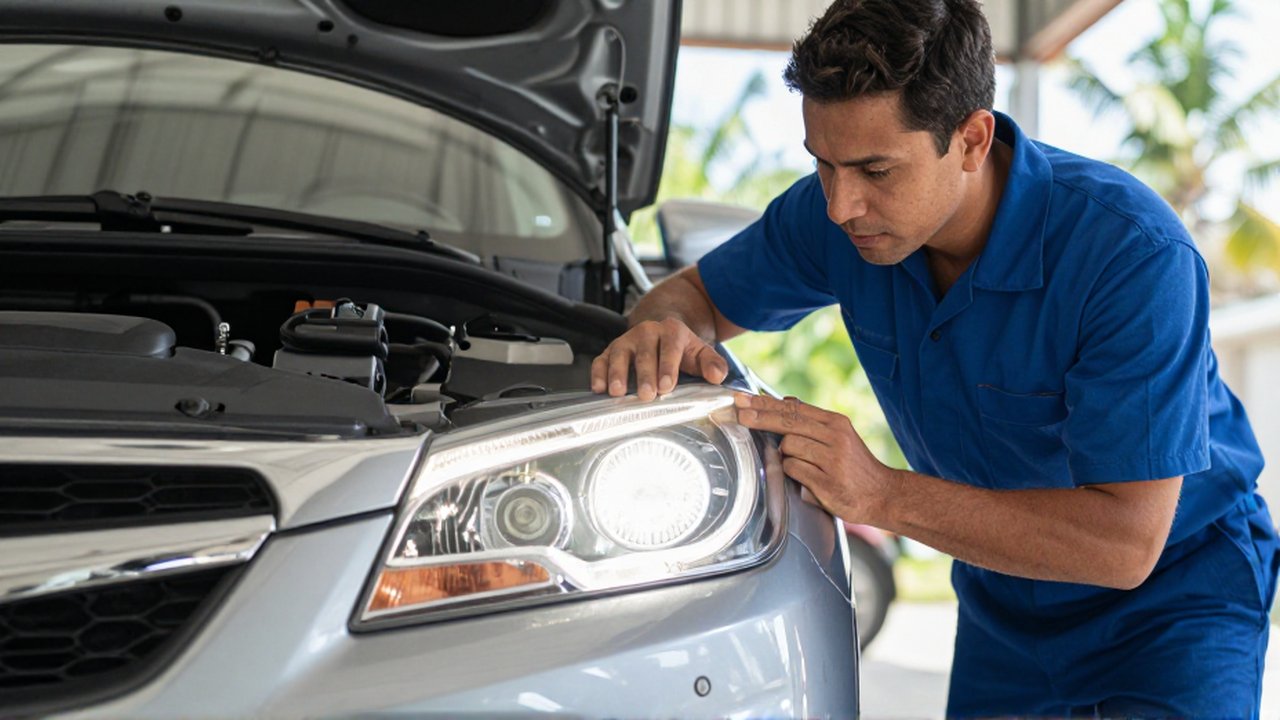
The primary purpose of headlights is visibility and communication. Headlights allow you to navigate dark roads safely, while high beams assist in detecting obstacles at a distance. Conversely, signaling lights—such as turn signals, brake lights, and hazard lights—inform surrounding traffic of your movements. Without these, the risk of side-impact collisions or rear-end accidents increases significantly.
In tropical climates like the Dominican Republic, where sudden heavy rain can drastically reduce visibility, having perfectly functioning lights is even more critical. Moisture can sometimes penetrate light housings, causing dimness or electrical issues. Regular inspections help you catch these environmental effects before they lead to a complete failure of the lighting system.
Step by step headlight inspection process
To perform a thorough inspection, follow these organized steps. It is helpful to have a partner assist you, although it is possible to do it alone using reflections.
- Check the low beams and high beams: Turn on your vehicle and activate the low beam setting. Walk around the car to ensure both the left and right headlights are emitting a consistent, bright light. Next, switch to the high beams to verify that both bulbs provide maximum illumination.
- Verify the parking lights: Turn on your parking lights to ensure they are functioning and that the brightness is even on both sides.
- Test the turn signals: Activate the left turn signal, then the right. Check both the front and rear indicators to confirm they are blinking at a normal speed. If a signal blinks much faster than usual, it often indicates a burnt-out bulb in that circuit.
- Inspect the brake lights: While parked, press the brake pedal firmly. Check the rear lights to ensure they illuminate immediately. If your car has a third brake light (the center light on the rear window or trunk), make sure it is also working.
- Confirm hazard lights and reverse lights: Activate the hazard light button to check all four corners of the vehicle. Finally, shift into reverse while looking at the rear of the car to ensure the white reverse lights are functional.
Common causes of lighting failure
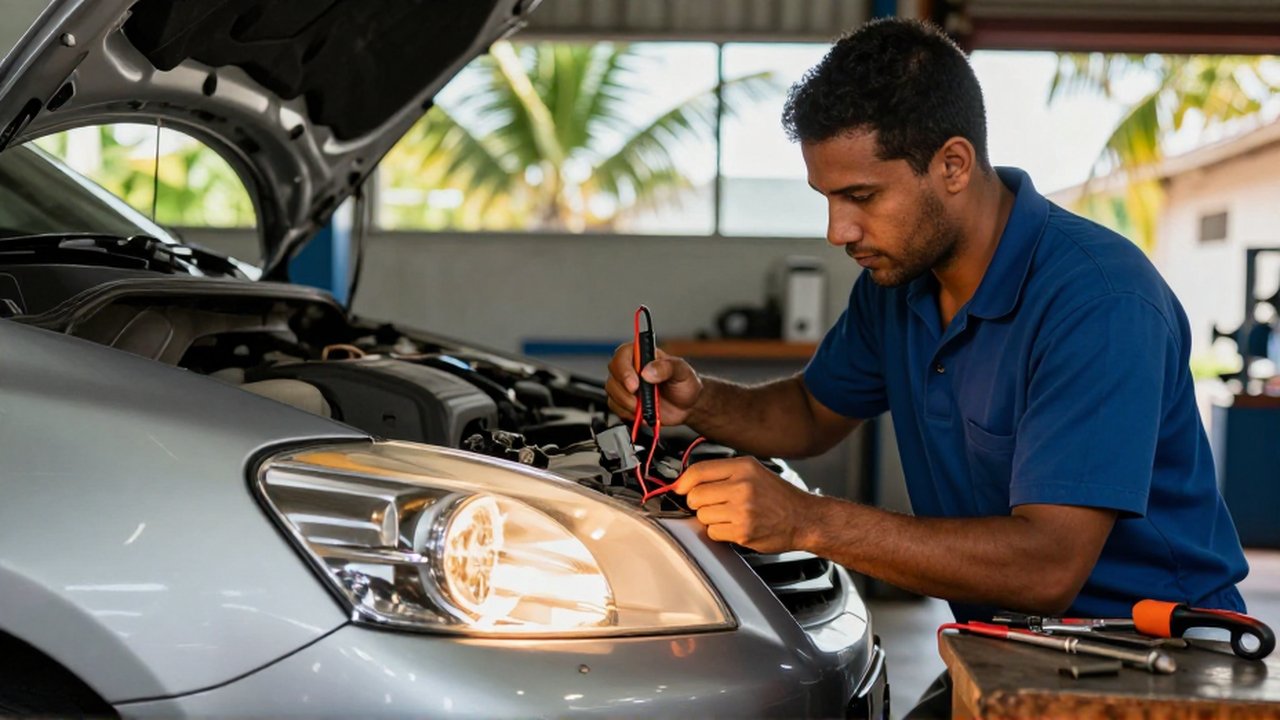
Understanding why lights fail can help you diagnose the issue more quickly. Lighting problems are rarely caused by a single factor, but the following are the most frequent culprits:
| Cause | Description | Typical Symptom |
|---|---|---|
| Burnt-out Bulbs | The filament inside the bulb has broken due to age or heat. | One light is completely dark while the other works. |
| Blown Fuses | An electrical surge or short circuit has tripped the fuse. | An entire section of lights (e.g., all front signals) fails at once. |
| Corroded Connections | Moisture and salt can cause oxidation on electrical terminals. | Intermittent flickering or lights that only work occasionally. |
| Damaged Wiring | Vibration or external damage can fray or break the wires. | Complete loss of signal or lights that react to bumps in the road. |
| Moisture Intrusion | Condensation inside the plastic housing. | Dim or "cloudy" light output and potential electrical shorts. |
Maintenance tips for better visibility
To extend the life of your lighting system and maintain maximum brightness, consider these practical recommendations. First, always keep your headlight lenses clean. Dirt, dust, and salt buildup can significantly reduce the amount of light that reaches the road. A simple wipe with a soft cloth can make a noticeable difference.
Second, avoid touching the glass part of halogen bulbs with your bare hands. The oils from your skin can create "hot spots" on the glass when the bulb heats up, which may cause the bulb to shatter or fail prematurely. Always use a clean cloth or gloves when handling new bulbs. Lastly, if you notice the plastic covers of your headlights are becoming yellow or cloudy, consider using a restoration kit to clear the oxidation, which restores light clarity and improves safety.
Frequently asked questions
Why does my turn signal blink faster when one bulb is out? This happens because the electrical resistance in the circuit changes when a bulb is removed. The flashing relay detects this change and increases the frequency of the blink to alert you that a bulb needs replacement.
Can I replace the bulbs myself? In many vehicles, replacing a simple bulb is a straightforward task that can be done with basic tools. However, some modern cars have compact engine bays or require removing parts of the bumper to access the lights. If you are uncomfortable with electrical components, seeking professional assistance is recommended.
How often should I check my lights? While a monthly check is recommended for routine maintenance, you should specifically perform an inspection before any long trip, during the transition to the rainy season, or whenever you notice a change in light intensity.
What is the difference between low beams and high beams? Low beams are designed to illuminate the road ahead without blinding oncoming drivers, making them ideal for standard driving. High beams provide much stronger, longer-range light and should only be used in well-lit or unlit areas where no other vehicles are approaching.
Leave a Reply