
Basic steps for emergency roadside assistance in DR
Introduction
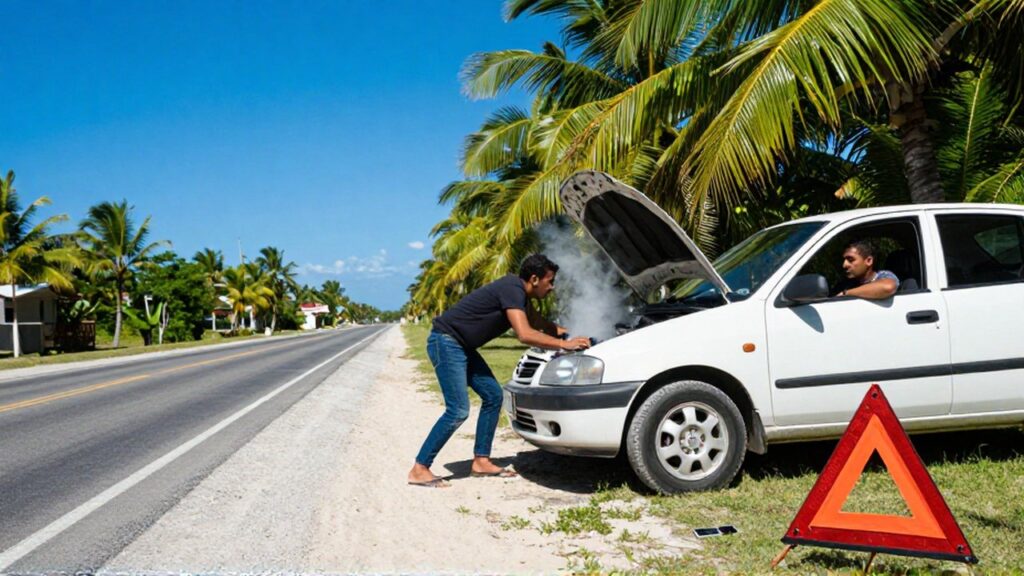
Breaking down on a highway or experiencing a flat tire in a remote area of the Dominican Republic can be a stressful experience. Whether you are navigating the busy streets of Santo Domingo or traveling through the mountain passes of the Cordillera Central, knowing how to react to a vehicle emergency is essential for your safety and peace of mind. Proper roadside assistance involves a combination of immediate safety protocols, effective communication, and knowing which professional services to contact.
Being prepared for these situations allows you to minimize risks such as accidents, heat exhaustion, or theft. This guide provides a structured approach to handling roadside emergencies, ensuring you can manage the situation calmly until professional help arrives. By following these steps, you can navigate the unique challenges of Dominican roads—from unpredictable weather to varying levels of infrastructure—with greater confidence and security.
Immediate safety actions during a breakdown
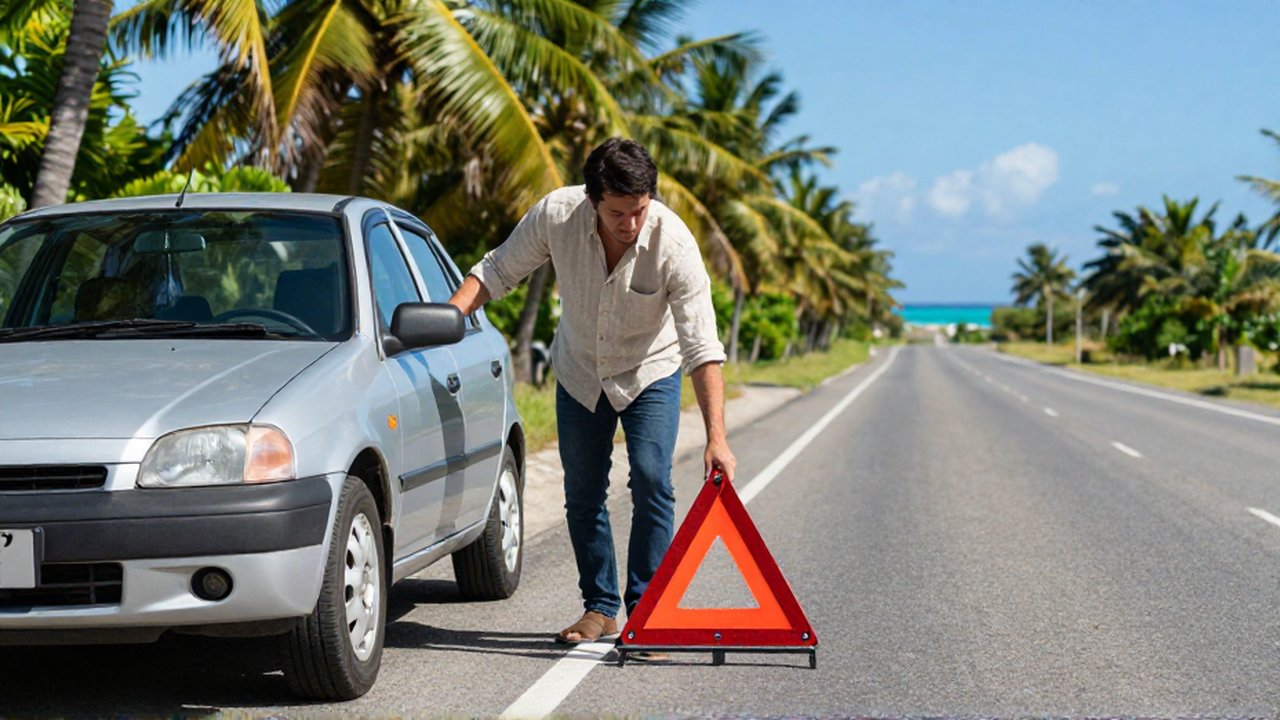
The moment you realize your vehicle is malfunctioning, your primary objective is to move as far away from moving traffic as possible. In the Dominican Republic, many highways lack wide shoulders, making this step particularly critical. If your car is still mobile, try to steer it toward the rightmost edge of the road or an emergency turnout. Once stopped, turn your wheels away from the road and engage the parking brake to prevent the vehicle from rolling.
Activate your hazard lights immediately to alert other drivers of your presence. If it is nighttime or visibility is low due to heavy tropical rain, keeping your lights on is vital, but be mindful of your battery level if the engine is not running. If you have emergency triangles or reflective vests, place them at a safe distance behind your vehicle to create an early warning zone for oncoming motorists.
Essential items for your emergency kit
A well-equipped vehicle is your first line of defense when help is far away. Because of the tropical climate, heat management is just as important as mechanical tools. You should always carry a supply of bottled water and non-perishable snacks to prevent dehydration while waiting for assistance. Additionally, a portable power bank for your mobile phone is indispensable, as your phone is your primary link to emergency services.
For mechanical self-sufficiency, consider keeping the following items in your trunk:
- A spare tire and a functional jack.
- Jumper cables or a portable jump starter.
- A flashlight with extra batteries.
- Basic tools such as a screwdriver and pliers.
- A physical map or an offline map downloaded on your phone, as GPS signal can be inconsistent in rural areas.
How to contact reliable roadside assistance
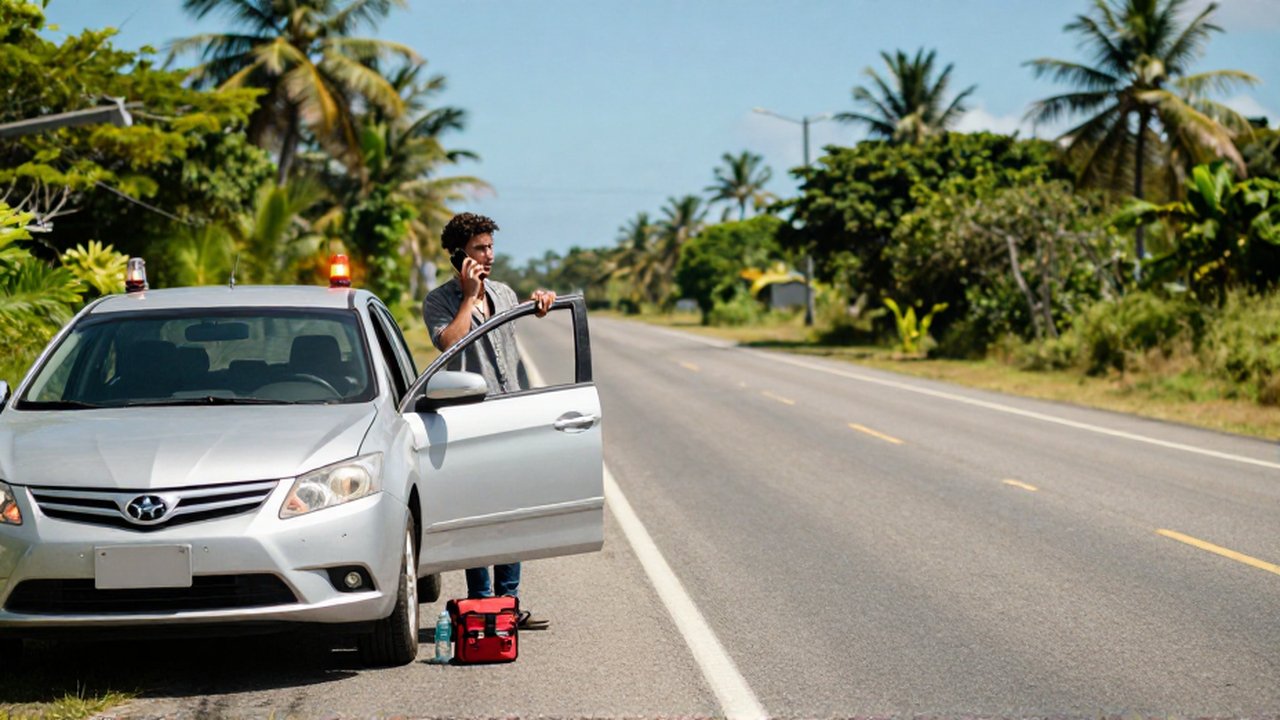
When it becomes clear that you cannot fix the issue yourself, you must decide whom to call. In the Dominican Republic, many vehicle owners rely on insurance companies, which often include roadside assistance services such as towing, battery jumps, or locksmith services as part of their policy. Before you leave home, ensure you have your insurance provider's emergency number saved in your contacts and that you know your policy details.
If you do not have private insurance coverage, you can look for local mechanical workshops or specialized towing services. It is helpful to use a mobile app or a reliable local directory to find services near your current location. When calling, be as descriptive as possible regarding your location. Use landmarks, nearby signs, or digital pinning via messaging apps to ensure the recovery vehicle can find you without delay.
Common mistakes to avoid on the roadside
One of the most frequent mistakes is attempting to perform complex mechanical repairs on a busy highway. The risk of being struck by a passing vehicle is significantly higher than the benefit of a quick fix. If the repair requires you to stand near the flow of traffic, it is safer to wait inside the vehicle with your seatbelt on or move to a safe distance behind a guardrail.
Another error is failing to communicate your exact location. Do not assume that a tow driver can see you or knows exactly where you are parked. Always confirm the estimated time of arrival and stay in a visible, safe spot. Lastly, avoid interacting with strangers who offer "help" if they seem suspicious; it is always better to wait for the professional service you specifically requested.
Frequently asked questions
Should I stay in the car during a breakdown on a highway? If you are on a narrow road with high-speed traffic and no safe shoulder, staying inside the car with your seatbelt fastened is often safer than standing on the road. However, if the vehicle is in a dangerous position or there is a risk of fire, move to a safe area behind a barrier or away from the road.
What should I do if I run out of phone battery? Always prioritize keeping your phone charged for emergencies. If it dies, try to signal passing motorists from a safe distance using a reflective object or your hazard lights, but avoid stepping into the path of traffic.
How do I find my location if I don't have a signal? Try to look for kilometer markers, which are common on major Dominican highways, or note the names of nearby towns or businesses. These landmarks are vital when describing your position to emergency operators.
Is it better to call my insurance or a private tow service? If your insurance includes roadside assistance, it is usually the best option as it is often included in your premium and provides a level of vetted reliability. However, if your insurance service has a long wait time, a local professional service might be faster.
Leave a Reply