
Step by step guide to bleeding brake lines

Introduction
Bleeding brake lines is a critical maintenance procedure designed to remove air bubbles from the hydraulic braking system. Because brake fluid is incompressible, the presence of air—which is highly compressible—can lead to a "spongy" pedal feel and significantly reduced braking force. This process ensures that when you press the pedal, the pressure is transferred directly and efficiently to the brake calipers or wheel cylinders, maintaining the safety and responsiveness of your vehicle.
It is appropriate to bleed the brakes whenever you replace a component in the hydraulic circuit, such as a master cylinder, caliper, or brake hose, or if you notice a sudden decrease in pedal firmness. Regular maintenance is also vital if the brake fluid appears dark or contaminated, as moisture absorption can lead to internal corrosion and air pockets. Performing this task correctly is fundamental for ensuring the vehicle can stop reliably under all driving conditions.
Essential tools and preparation

Before starting the process, you must gather the necessary equipment to ensure a clean and efficient job. Working with brake fluid requires precision, as this liquid is corrosive to paint and skin. You will typically need a jack and jack stands to lift the vehicle, a wrench set (usually flare nut wrenches) to loosen the bleeder valves, a clear plastic tube that fits snugly over the valve, and a container to catch the old fluid.
A second person is highly recommended to act as the "helper" who will pump the brake pedal. If you are working alone, you may need a vacuum bleeder or a pressure bleeder, which are specialized tools designed to draw fluid through the lines without manual pedal pumping. Always ensure you have the correct type of brake fluid specified by your vehicle manufacturer, as using the wrong grade can damage the seals within the system.
The standard bleeding procedure
The most common method is the manual two-person technique. This process should generally follow a specific order, typically starting from the wheel furthest from the master cylinder and working your way closer. For most standard vehicles, the sequence is the rear passenger side, rear driver side, front passenger side, and finally the front driver side.
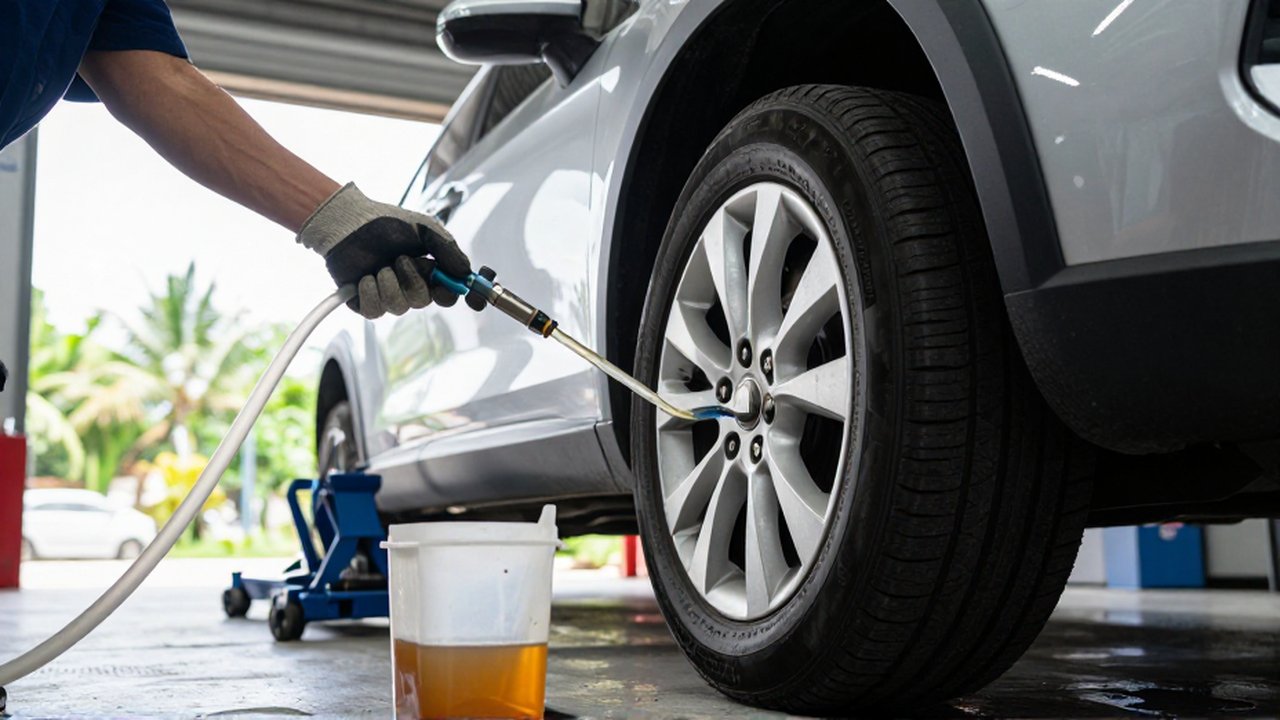
First, locate the bleeder screw on the brake caliper of the first wheel. Attach the clear plastic tube to the screw and place the other end into a container partially filled with fresh brake fluid. This prevents air from being sucked back into the system through the tube.
The helper will then pump the brake pedal several times and hold it down firmly with constant pressure. While the pedal is held down, you slowly loosen the bleeder screw. You will see fluid and air bubbles move through the clear tube. Once the fluid flow slows down, tighten the bleeder screw before the helper releases the pedal. Repeat this cycle until only pure, bubble-free fluid emerges from the tube. Move to the next wheel and repeat the entire sequence.
Common mistakes to avoid
One of the most frequent errors during the bleeding process is allowing the master cylinder reservoir to run dry. If the reservoir empties while you are bleeding the lines, air will enter the master cylinder, making the entire process much more difficult and potentially requiring a complete system overhaul. Always keep a close eye on the fluid level and top it off frequently.
Another common mistake is releasing the brake pedal while the bleeder screw is still open. This allows air to be sucked back into the caliper, reintroducing the very problem you are trying to solve. Always ensure the valve is tightened before the helper lets go of the pedal. Additionally, avoid spilling brake fluid on the vehicle's bodywork; if a spill occurs, wash the area immediately with plenty of water to prevent paint damage.
Benefits of a properly bled system
A well-maintained hydraulic system provides several direct benefits to the driver. The primary advantage is consistent pedal feel; the pedal should feel firm and provide predictable stopping distances. This reliability is essential for emergency braking situations where every millisecond counts.
Furthermore, a clean system prevents internal damage. By removing air and old, moisture-laden fluid, you protect the internal seals and metal components from corrosion. This extends the lifespan of expensive components like the ABS modulator and calipers, ultimately reducing long-term maintenance costs and ensuring the vehicle remains safe on the road.
Frequently asked questions
How do I know if my brakes need bleeding? If the brake pedal feels soft, spongy, or sinks to the floor when pressure is applied, air is likely trapped in the system. Unusual changes in braking distance can also be a sign.
Can I bleed the brakes myself? While it is a common DIY task, it requires patience, the correct tools, and strict adherence to safety protocols. If you are uncomfortable working with hydraulic systems, professional assistance is recommended.
Why must I follow a specific order when bleeding? The order is designed to push air out of the longest lines first. Following the manufacturer's prescribed sequence ensures that air pockets are moved toward the master cylinder and out of the system efficiently.
How often should brake fluid be changed? While bleeding is often done during repairs, it is generally recommended to flush the entire system and replace the fluid every two years or according to your vehicle manufacturer's maintenance schedule to prevent moisture buildup.
Leave a Reply