
How to check car door seals and gaskets
Introduction
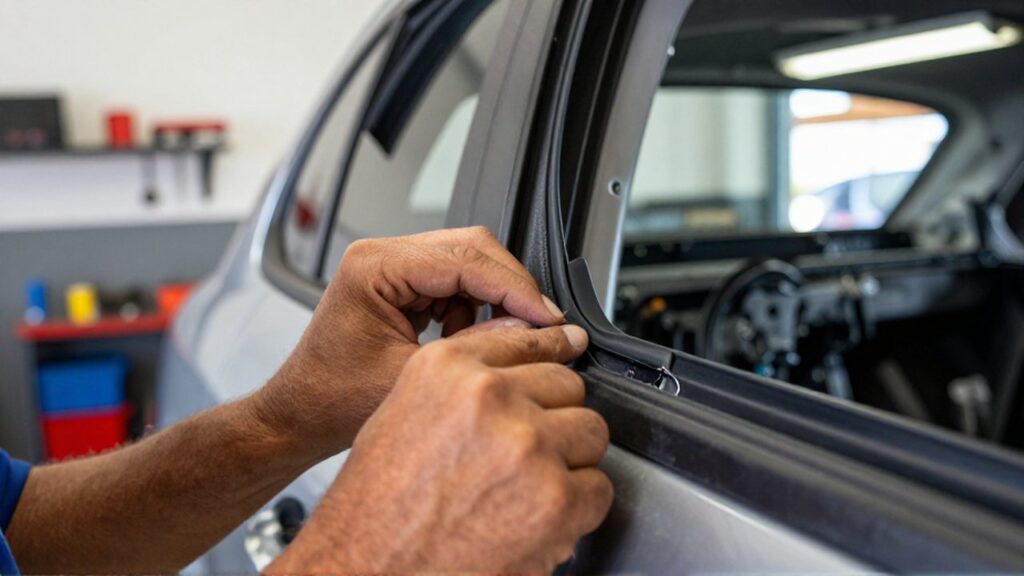
Car door seals and gaskets, often referred to as weatherstripping, are critical rubber or synthetic components that create an airtight and watertight barrier between your vehicle's door and its frame. Their primary function is to prevent external elements—such as rainwater, dust, wind, and road noise—from entering the passenger cabin. In tropical climates where humidity and heavy rainfall are common, these seals play an even more vital role in preserving the interior integrity of the vehicle and preventing mold growth.
Maintaining and inspecting these seals is a proactive way to avoid costly repairs and discomfort. When seals fail, you may experience water leaks, whistling noises at high speeds, or excessive cabin noise. Regular checks allow you to identify signs of degradation, such as cracking or hardening, before they escalate into significant mechanical or aesthetic issues. Performing this inspection every few months ensures your vehicle remains a quiet, dry, and comfortable environment.
Importance of healthy door seals
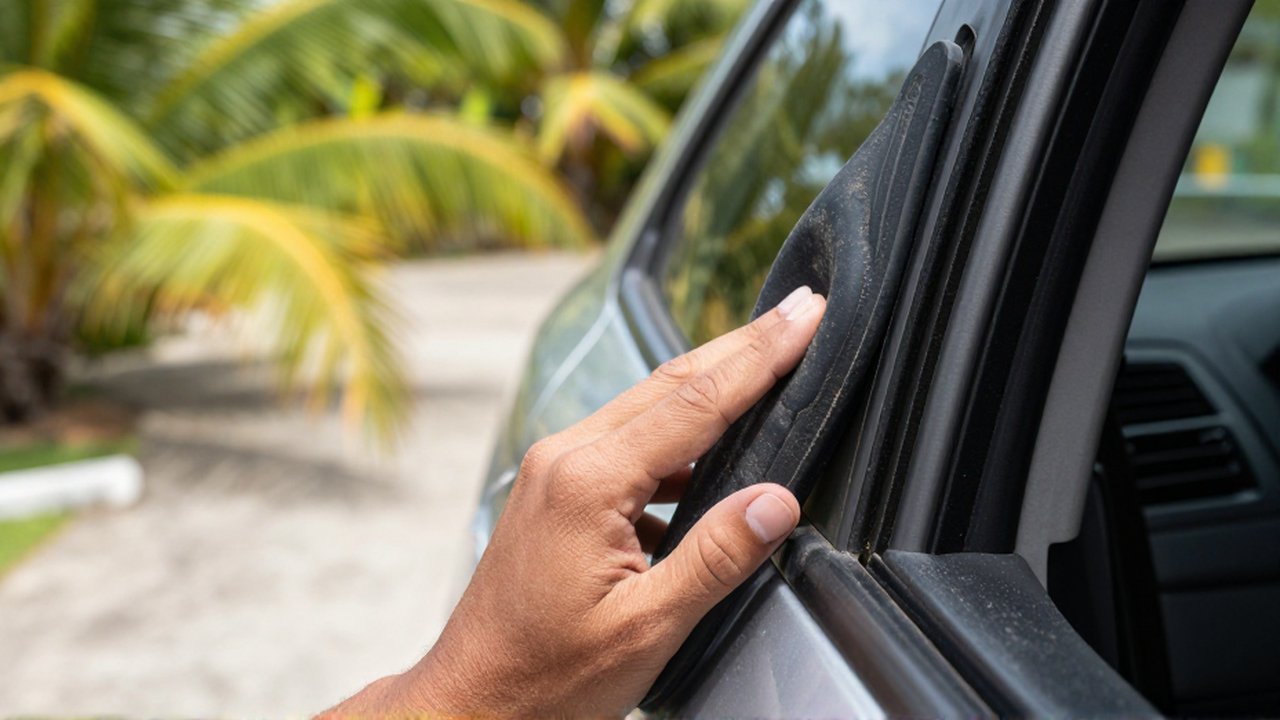
The integrity of your vehicle's weatherstripping affects several aspects of driving quality and vehicle longevity. Beyond just keeping the rain out, well-maintained seals serve as a primary defense against environmental damage. If water penetrates the door panels due to faulty gaskets, it can lead to electrical malfunctions in power window motors, rust in the internal door structures, and the growth of unpleasant odors caused by damp upholstery.
Furthermore, seals are essential for climate control efficiency. When a seal is compromised, the air conditioning system has to work much harder to maintain a cool temperature because cold air escapes and hot, humid air seeps in. This increases fuel consumption and puts unnecessary strain on the vehicle's cooling system. A quick inspection can help you determine if your AC issues are due to a mechanical failure or simply a lost seal.
Signs of failing gaskets and seals
Before performing a physical inspection, you should be aware of the common symptoms that indicate your seals need attention. These signs act as the first indicators that the rubber is no longer performing its intended duty.
- Audible wind noise: A high-pitched whistling or rushing sound while driving at highway speeds usually indicates that air is bypassing the seal.
- Visible water intrusion: Dampness on the carpets, floor mats, or door panels after a rainstorm is a direct sign of a breach.
- Physical deterioration: Look for visible cracks, chunks of missing rubber, or a feeling of "stickiness" that suggests the material is breaking down.
- Difficulty closing doors: If a door feels harder to latch or requires extra force, the gasket may have become compressed, warped, or swollen.
- Compression issues: If the door "springs" back when you try to close it, the seal may have lost its elasticity.
Step by step inspection process
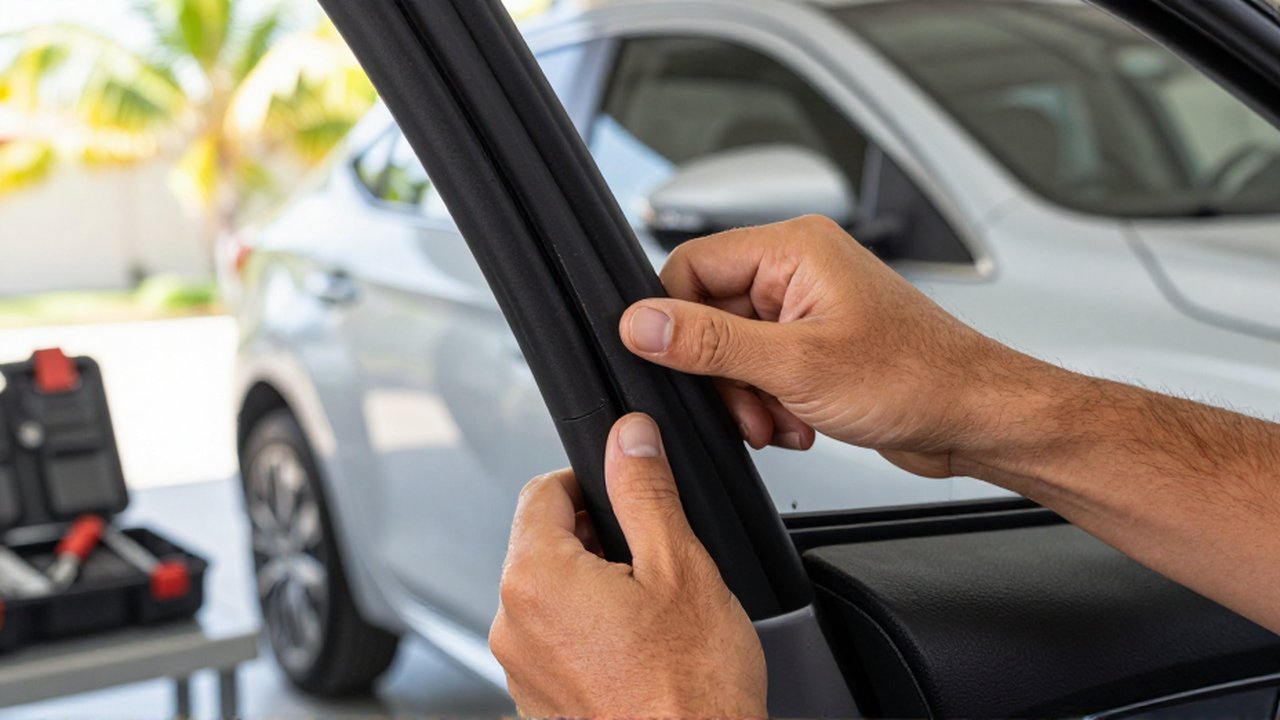
Checking your seals does not require professional tools; a simple visual and tactile examination is usually sufficient to find most problems. Follow these steps to ensure a thorough evaluation of your vehicle's exterior seals.
Visual examination Open all doors and inspect the entire length of the rubber stripping. Look specifically at the corners and the bottom edges, as these areas are most prone to collecting debris and experiencing wear. Check for deep cracks, discoloration, or areas where the rubber has pulled away from the metal frame.
Tactile compression test Run your fingers along the length of the seal to feel for any irregularities. A healthy seal should feel supple and bouncy. If you encounter hard, brittle sections, those areas are likely failing. Additionally, press your finger firmly into the rubber; it should compress easily and then spring back immediately to its original shape.
The paper test To check the effectiveness of the seal's contact, place a piece of paper between the door seal and the car frame. Close the door firmly. Try to pull the paper out. If it slides out easily with no resistance, the seal is not making enough contact and is failing to provide a tight barrier. If the paper is difficult to pull out, the seal is providing adequate pressure. Repeat this test at multiple points around the door perimeter.
Light test For a more technical check, especially in dark environments, have an assistant shine a bright flashlight against the door frame while you are inside the vehicle with the doors closed. If you see light leaking through the gaps where the seal meets the frame, the gasket is no longer airtight.
Common causes of seal degradation
Understanding why seals fail can help you prevent future issues. In many regions, the most significant factor is UV radiation from the sun, which dries out the rubber, causing it to become brittle and crack. High humidity can also lead to the buildup of dirt and grime within the grooves of the gasket.
Debris such as sand, salt, and road grime act as abrasives. When the door is opened and closed, this grit can grind against the rubber, gradually wearing it down. Additionally, using petroleum-based products to clean or "shine" rubber seals can actually cause the material to swell and degrade prematurely. Always use products specifically designed for automotive rubber to maintain their flexibility.
Frequently asked questions
How often should I check my car seals? It is recommended to perform a visual inspection every three to six months, or more frequently if you notice increased wind noise or dampness in the cabin.
Can I repair a cracked seal instead of replacing it? Minor surface cracks might be addressed with specialized rubber conditioners, but once the structural integrity of the seal is compromised or if there are deep cracks, replacement is the only reliable solution.
Why do my seals feel sticky? Stickiness is often a sign that the rubber is decomposing due to heat and age, or it may be caused by a buildup of spilled liquids or cleaning agents that were not properly wiped away.
Does cleaning the seals help prevent damage? Yes, regularly cleaning the seals with mild soap and water to remove dirt and grit can significantly extend their lifespan by reducing abrasive wear.
Leave a Reply