
Methods to prevent brake wear in mountainous terrain

Introduction
Driving through mountainous regions presents a unique set of challenges for vehicle owners, particularly regarding the braking system. Constant descent on steep inclines forces the brakes to work significantly harder than they do on flat highways, leading to rapid heat buildup and accelerated component degradation. Understanding how to manage these forces is essential for maintaining vehicle safety and extending the lifespan of your brake pads and rotors.
Learning effective braking techniques is not just about saving money on maintenance; it is a fundamental aspect of road safety. When brakes are overheated, they can suffer from "brake fade," a dangerous condition where the stopping power diminishes significantly. By implementing proactive driving habits and regular inspection routines, drivers can navigate steep terrains with confidence while minimizing the frequency of expensive repairs.
Importance of engine braking on descents
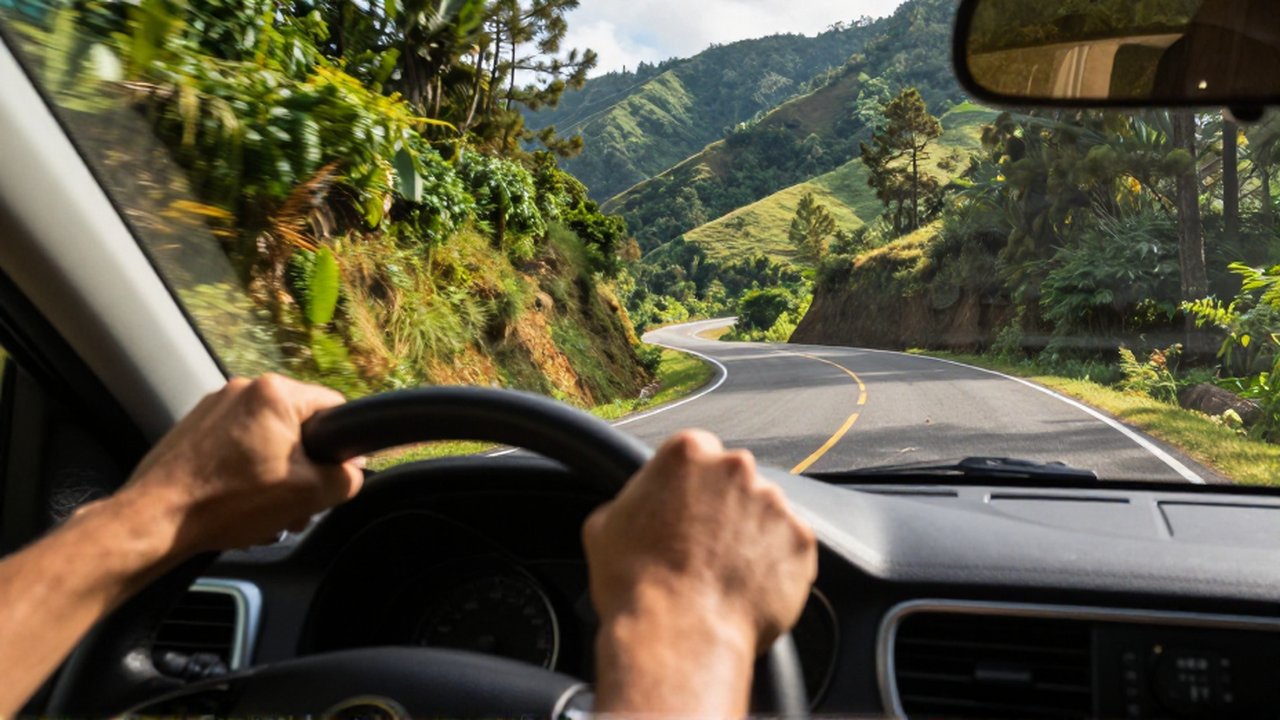
One of the most effective ways to prevent excessive brake wear is to rely on engine braking rather than constant pedal application. Engine braking occurs when you downshift to a lower gear, allowing the internal resistance of the engine to help control the vehicle's speed. This method uses the mechanical connection between the engine and the wheels to maintain a steady pace without relying solely on the friction of the brake pads.
When approaching a long downhill stretch, drivers should shift to a lower gear before the descent begins. This approach keeps the RPMs slightly higher but keeps the vehicle at a manageable speed. By using the engine to hold the car back, you reduce the frequency and intensity of brake pedal presses, which prevents the rotors from reaching extreme temperatures that cause warping or premature wear.
Proper pedal usage techniques
Frequent and light application of the brakes is much safer and more efficient than prolonged, heavy pressure. A common mistake is to keep a constant, steady pressure on the brake pedal throughout the entire descent. This creates continuous friction, which generates cumulative heat that cannot dissipate quickly enough, eventually leading to component failure.
A better approach is a "pulsing" or "staccato" braking technique. This involves applying firm pressure to slow the vehicle down to a safe speed and then releasing the pedal. The momentary release allows air to flow over the rotors and pads, helping to dissipate heat. This cycle of braking and releasing ensures that the temperature remains within a safe operating range, protecting the integrity of the brake fluid and the physical components.
Common mistakes to avoid during mountain driving

Avoiding certain habits can significantly extend the life of your braking system. Many drivers mistakenly believe that staying in neutral or pressing the clutch in while descending is a way to "save" the brakes. In reality, this is extremely dangerous as it disconnects the engine from the wheels, leaving the driver with no control over the vehicle's speed other than the brakes themselves. This often leads to panic braking and even more severe wear.
Another frequent error is waiting until the last possible moment to apply the brakes. Sudden, heavy braking at high speeds generates massive amounts of thermal energy in a very short period. Instead, drivers should anticipate curves and steep drops, slowing down well in advance. Proactive speed management is the best defense against the mechanical strain that causes brake components to fail.
Maintenance and inspection routines
To ensure your vehicle is prepared for mountainous terrain, a regular inspection schedule is necessary. Because the brakes undergo more stress in these environments, checking them more frequently than you would for city driving is a wise decision.
| Component | What to Check | Sign of Wear |
|---|---|---|
| Brake Pads | Thickness and material integrity | Squealing noises or grinding sounds |
| Rotors/Discs | Surface smoothness and thickness | Vibrations when applying the pedal |
| Brake Fluid | Fluid level and moisture content | Spongy or inconsistent pedal feel |
| Hose/Lines | Visual signs of leaks or cracks | Visible fluid buildup or soft spots |
It is also important to monitor the brake fluid. High heat can cause the fluid to boil or degrade, which leads to a loss of hydraulic pressure. Replacing brake fluid according to the manufacturer's recommendations is a critical preventative step for anyone who frequently drives in hilly or mountainous areas.
Frequently asked questions
Does downshifting actually help the brakes? Yes, downshifting uses the engine's compression to regulate speed, which significantly reduces the workload and heat generation on the brake pads and rotors.
What should I do if my brakes start to feel soft or unresponsive? If you experience brake fade, safely pull over to a flat area as soon as possible and allow the brakes to cool down completely. Do not attempt to continue driving until the system has stabilized and you can inspect it for damage.
How often should I check my brakes if I live in a mountainous area? While standard maintenance intervals apply, drivers in mountainous regions should perform more frequent visual inspections of their brake pads and listen for unusual noises, potentially checking them more often than those driving on flat terrain.
Is it normal to smell something burning when driving downhill? A slight scent of hot metal can be normal during heavy use, but a strong, acrid burning smell often indicates that the brakes are overheating excessively and should be addressed immediately to avoid damage.
Leave a Reply