
Benefits of using high-quality engine coolant

Introduction
Engine coolant, often referred to as antifreeze, is a critical component of a vehicle's thermal management system. Its primary purpose is to regulate the internal temperature of the engine, preventing it from overheating during operation and freezing during periods of extreme cold. In tropical environments like the Dominican Republic, the role of coolant is even more vital, as the high ambient temperatures place continuous thermal stress on the engine components.
Using a high-quality coolant ensures that the heat exchange process remains efficient and that the internal surfaces of the cooling system stay protected. Maintaining the correct fluid level and quality is a fundamental aspect of preventive maintenance that can prevent catastrophic engine failure. Choosing a premium product over generic or outdated alternatives is a decision that safeguards the longevity of the entire powertrain.
Importance of thermal regulation and engine protection
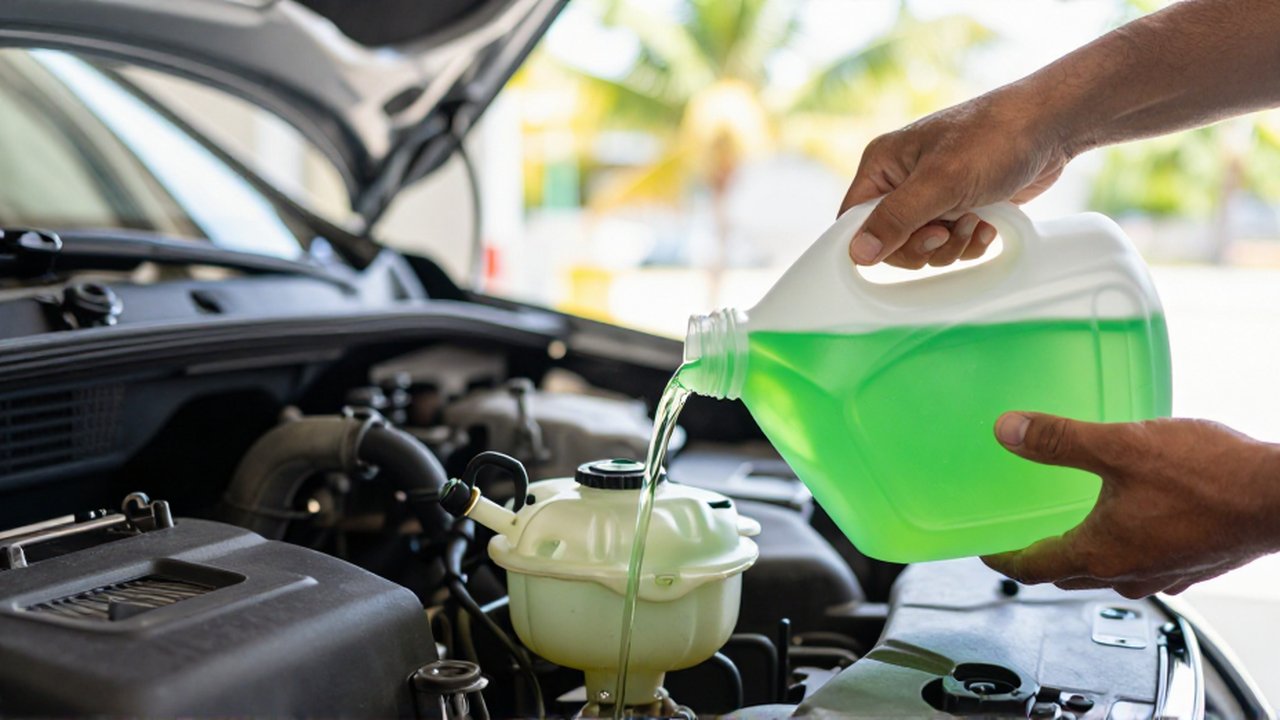
The engine generates immense amounts of heat through the combustion process. Without a consistent and effective cooling medium, the metal components would expand beyond their designed tolerances, leading to warped cylinder heads, blown head gaskets, or a completely seized engine. High-quality coolants are engineered with specific chemical properties that allow them to absorb and dissipate heat more effectively than water alone or low-grade substitutes.
Beyond simple temperature regulation, premium coolants contain advanced additives designed to manage the chemical environment inside the cooling system. These additives prevent the formation of scale and mineral deposits that can clog narrow passages in the radiator and heater core. When these passages become obstructed, the fluid cannot circulate properly, leading to localized hotspots and eventual overheating.
Prevention of corrosion and internal damage
One of the most significant benefits of high-quality coolant is its ability to act as a corrosion inhibitor. The cooling system is composed of various metals, including aluminum, cast iron, copper, and brass. Each of these materials reacts differently to heat and moisture. A superior coolant contains a balanced package of corrosion inhibitors that create a microscopic protective layer on these metal surfaces.
If a low-quality or incorrect coolant is used, it can lead to several types of internal damage:
- Oxidation and Rust: Iron components can rust, creating sludge that blocks flow.
- Galvanic Corrosion: This occurs when different metals in contact with the coolant create a small electrical current, accelerating the decay of the more "active" metal.
- Cavitation: This is the formation of vapor bubbles that can implode against metal surfaces, such as water pump impellers, causing physical pitting and erosion.
By using a product specifically formulated to address these chemical reactions, drivers can significantly extend the life of the radiator, water pump, and engine block.
Long term maintenance advantages

Investing in high-quality coolant translates to long term savings by reducing the frequency of necessary repairs. While a generic fluid might appear cheaper at the point of purchase, the cost of replacing a failed water pump or a clogged radiator far outweighs the initial price difference. Premium fluids are also designed with better stability, meaning they maintain their protective chemical properties for a longer duration before needing a flush.
Furthermore, high-quality coolants assist in maintaining the integrity of rubber hoses and gaskets. The chemical composition of inferior fluids can sometimes cause rubber components to become brittle or swell, leading to leaks. A specialized coolant is formulated to be compatible with modern synthetic seals and hoses, ensuring that the entire cooling circuit remains airtight and pressurized.
Common mistakes in coolant management
To maximize the benefits of premium coolant, it is essential to avoid common maintenance errors. One of the most frequent mistakes is mixing different types of coolant. Modern vehicles often require specific technologies, such as Organic Acid Technology (OAT) or Hybrid Organic Acid Technology (HOAT). Mixing a traditional silicate-based coolant with a modern OAT coolant can cause the additives to react, resulting in a gel-like substance that can block the system entirely.
Another error is the overreliance on water to top off a low system. While distilled water is better than tap water, it lacks the necessary corrosion inhibitors and boiling point elevation properties provided by a complete coolant solution. Diluting the mixture too much lowers the effectiveness of the thermal regulation and increases the risk of internal oxidation.
Frequently asked questions
Can I use plain water if I run out of coolant? In an emergency, distilled water is a temporary solution, but it should be replaced with the correct coolant as soon as possible. Water lacks the protection against corrosion and boiling that a proper coolant provides.
How often should I change my engine coolant? The interval depends on the vehicle manufacturer's specifications and the type of coolant used. High-quality, long-life coolants can last several years, but it is essential to follow the specific maintenance schedule found in your owner's manual.
Why does my coolant change color? A change in color can indicate that the coolant is old and its additives are depleted, or it may signal a leak where oil or other fluids are contaminating the system. If the color changes significantly, it is advisable to have the system inspected by a professional.
Is it safe to mix different brands of coolant? It is best to avoid mixing different brands or types, especially if they use different chemical technologies. To ensure maximum protection, always use the specific type recommended by your vehicle manufacturer.
Leave a Reply