
Tips for protecting vehicle suspension from salt air corrosion
Introduction
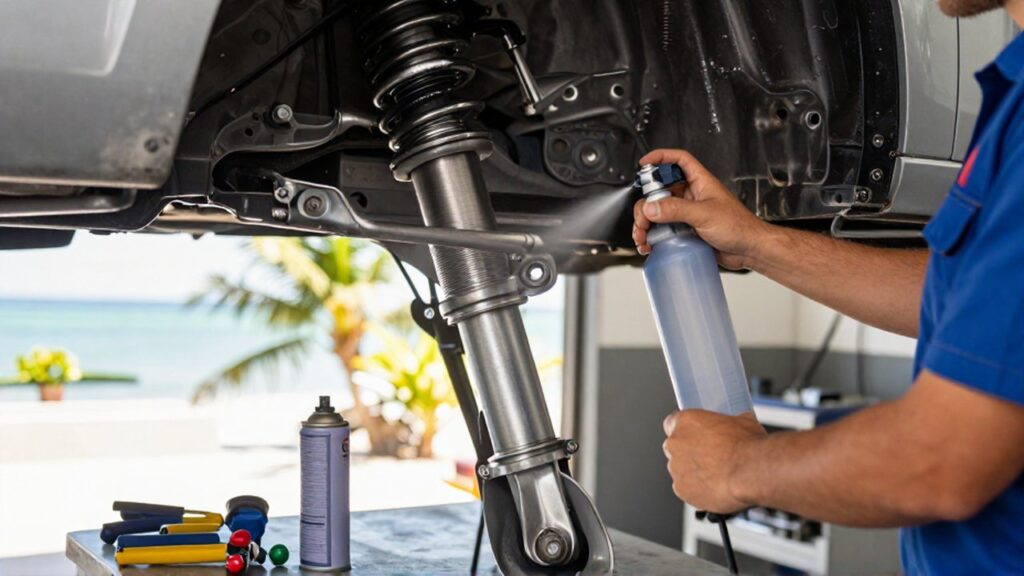
Living in a coastal environment brings unique challenges for vehicle owners, as the salt-laden air acts as a silent catalyst for oxidation. Vehicle suspension systems, which include critical components like control arms, springs, shock absorbers, and bushings, are particularly vulnerable because they are located in the undercarriage. Constant exposure to salt spray and high humidity can accelerate the degradation of metal surfaces, leading to premature rust and structural weakening.
Protecting these components is essential for maintaining vehicle handling, ride comfort, and overall safety. If left untreated, corrosion can seize moving parts, cause uneven tire wear, or even lead to catastrophic component failure. By implementing proactive maintenance strategies, drivers can significantly extend the lifespan of their suspension systems and avoid costly repairs caused by the tropical, saline atmosphere.
Understanding the impact of salt on suspension components
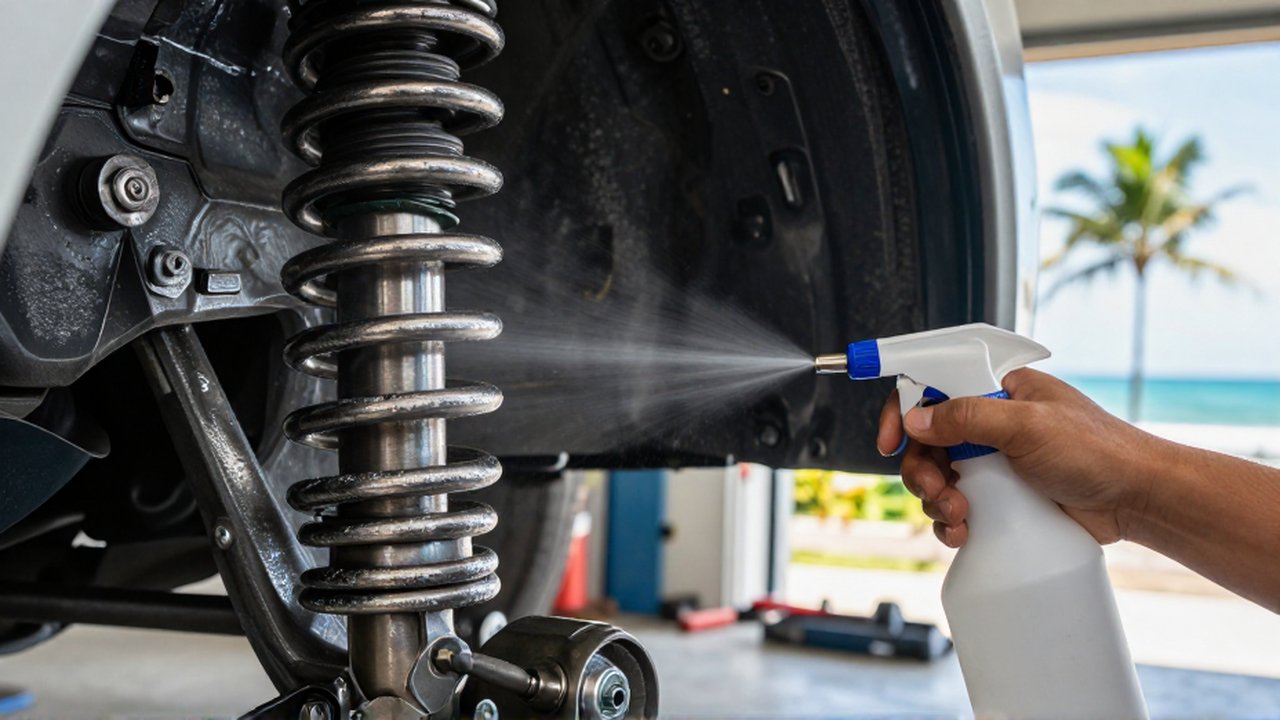
The salt in the air undergoes a chemical process when it settles on metal surfaces. In coastal regions, the moisture in the air carries microscopic salt particles that react with steel and iron components. This reaction creates an electrolyte that speeds up the electrochemical process of rusting. Unlike surface rust, which can sometimes be managed, salt-induced corrosion often penetrates deep into the crevices of suspension assemblies.
Control arms and tie rods are frequently affected because they are exposed to both the air and road spray. Shock absorbers and struts are also at risk; if the salt air pits the chrome finish on the piston rod, it can destroy the delicate hydraulic seals, leading to fluid leaks. Even rubber bushings can suffer indirectly, as the corroded metal surrounding them can cause excessive vibration and premature tearing of the rubber.
Effective methods for preventing salt air damage
Preventing corrosion requires a combination of regular cleaning and the application of protective barriers. The goal is to ensure that salt particles do not remain stagnant on the metal surfaces for extended periods.
Regular Undercarriage Washing One of the most effective ways to combat salt air is through frequent undercarriage cleaning. Using a high-pressure washer to rinse the underside of the vehicle helps dislodge salt deposits that have accumulated on the suspension components. It is best to do this after any significant coastal driving or heavy humidity periods. Directing water into the nooks and crannies where the suspension meets the chassis is vital.
Application of Corrosion Inhibitors Applying specialized protective coatings can create a physical barrier between the metal and the salty atmosphere. There are several types of products available for this purpose:
| Product Type | Best Use | Primary Benefit |
|---|---|---|
| Cavity Waxes | Internal crevices and hollow metal parts | Reaches areas where spray cannot |
| Corrosion Inhibiting Sprays | Visible metal components and joints | Easy to apply and forms a thin film |
| Undercoating Sealants | Large surface areas of the chassis | Provides a thick, durable protective layer |
Inspecting Rubber and Seal Integrity Corrosion often exploits weaknesses in rubber components. Periodically checking the condition of bushings, boots, and seals is crucial. If a boot (such as a CV joint boot or a tie rod end boot) is cracked, salt air and moisture will enter the component directly, causing internal oxidation that is impossible to prevent with external sprays.
Common mistakes to avoid during maintenance
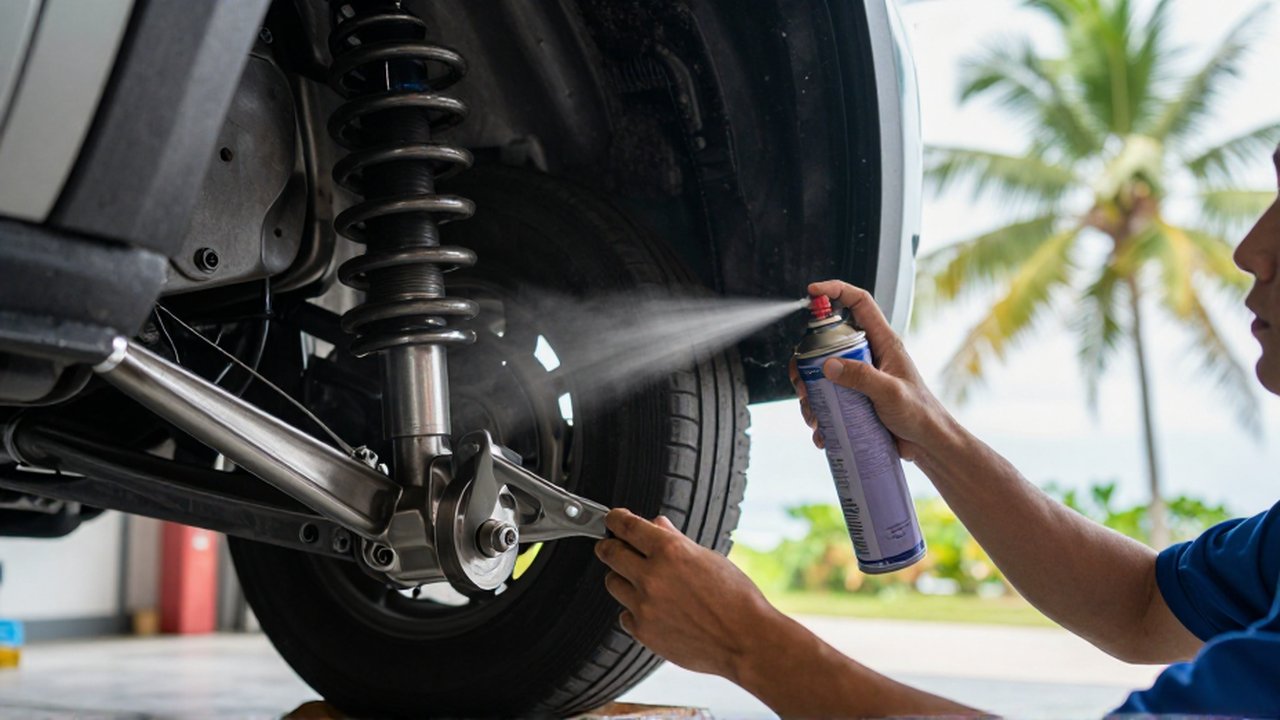
A frequent error made by many vehicle owners is the over-application of certain lubricants. Applying heavy grease to exposed suspension parts may seem helpful, but it often acts as a magnet for sand, salt, and dirt. This creates an abrasive paste that actually accelerates the wear of moving joints and bushings.
Another mistake is neglecting the frequency of cleaning. Many drivers believe that a standard car wash is sufficient, but most automated washes focus on the bodywork and ignore the undercarriage. Without a dedicated underbody rinse, the salt remains trapped in the suspension geometry. Finally, using highly acidic cleaning agents can strip away factory-applied corrosion protections, leaving the metal even more vulnerable than before.
Maintenance checklist for coastal vehicle owners
To ensure your suspension remains in peak condition, follow this routine schedule:
- Monthly: Perform a visual inspection of the undercarriage for signs of orange or brown oxidation on metal parts.
- Quarterly: Thoroughly wash the undercarriage with pressurized water, paying close attention to the wheel wells and suspension mounting points.
- Annually: Apply a high-quality corrosion inhibitor or wax to the visible metal components of the suspension.
- Per Inspection: Have a professional mechanic check the integrity of all rubber boots and the condition of shock absorber shafts.
Frequently asked questions
Does driving in the rain help wash away salt? No, rain can actually exacerbate the problem. While rain might wash some surface salt away, it also increases humidity and leaves behind concentrated salt residue as the water evaporates, which can accelerate corrosion.
Can I use standard WD-40 to protect my suspension? Standard multi-purpose sprays are designed for lubrication and temporary moisture displacement, not long-term corrosion protection. For suspension components, it is better to use products specifically formulated as corrosion inhibitors or heavy-duty waxes.
How often should I check my suspension for rust? In coastal areas, a visual inspection should be performed at least once a month. If you notice any "bubbling" or scaling on the metal parts of your suspension, it is time to seek professional advice.
Is undercoating necessary if I wash my car often? While frequent washing is essential, undercoating provides an extra layer of defense that washing alone cannot achieve. It covers areas that are hard to reach and provides a more permanent barrier against the elements.
Leave a Reply