
Signs of a worn motorcycle engine piston ring
Introduction
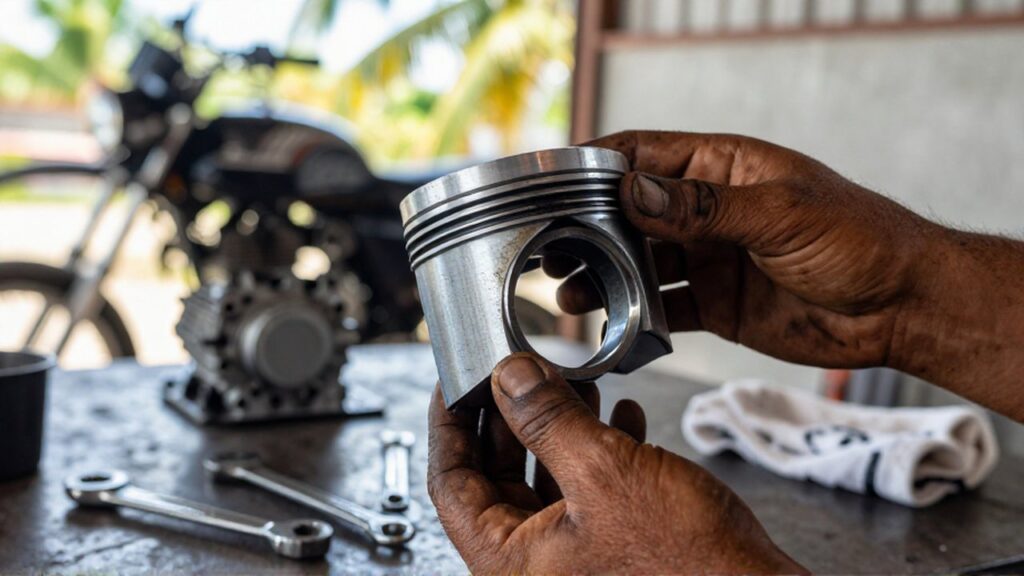
The piston rings are critical components located within the cylinder of a motorcycle engine, acting as a seal between the piston and the cylinder wall. Their primary functions are to prevent combustion gases from escaping into the crankcase, control the flow of oil to prevent it from entering the combustion chamber, and transfer heat from the piston to the cylinder. When these rings wear down or lose their tension, the engine's efficiency drops significantly, leading to mechanical issues that can eventually compromise the entire engine's integrity.
Recognizing the warning signs of worn piston rings is essential for any rider who wishes to avoid catastrophic engine failure. Early detection allows for timely maintenance or part replacement, which is far more cost-effective than undergoing a complete engine rebuild. Understanding these indicators helps riders differentiate between routine maintenance needs and serious internal mechanical problems that require professional intervention.
Blue smoke from the exhaust
One of the most unmistakable indicators of worn piston rings is the presence of blue-tinted smoke exiting the exhaust pipe. This phenomenon occurs because the rings are no longer effectively scraping oil from the cylinder walls. Consequently, excessive oil enters the combustion chamber and is burned along with the fuel.
This issue is often most noticeable when the engine is cold or during sudden acceleration. If you notice a persistent bluish haze behind your motorcycle, it is a strong signal that oil management within the cylinder is failing. While a tiny amount of smoke can occasionally occur in certain engines, a continuous blue tint suggests that the rings have lost their ability to maintain a proper seal.
Significant loss of engine compression
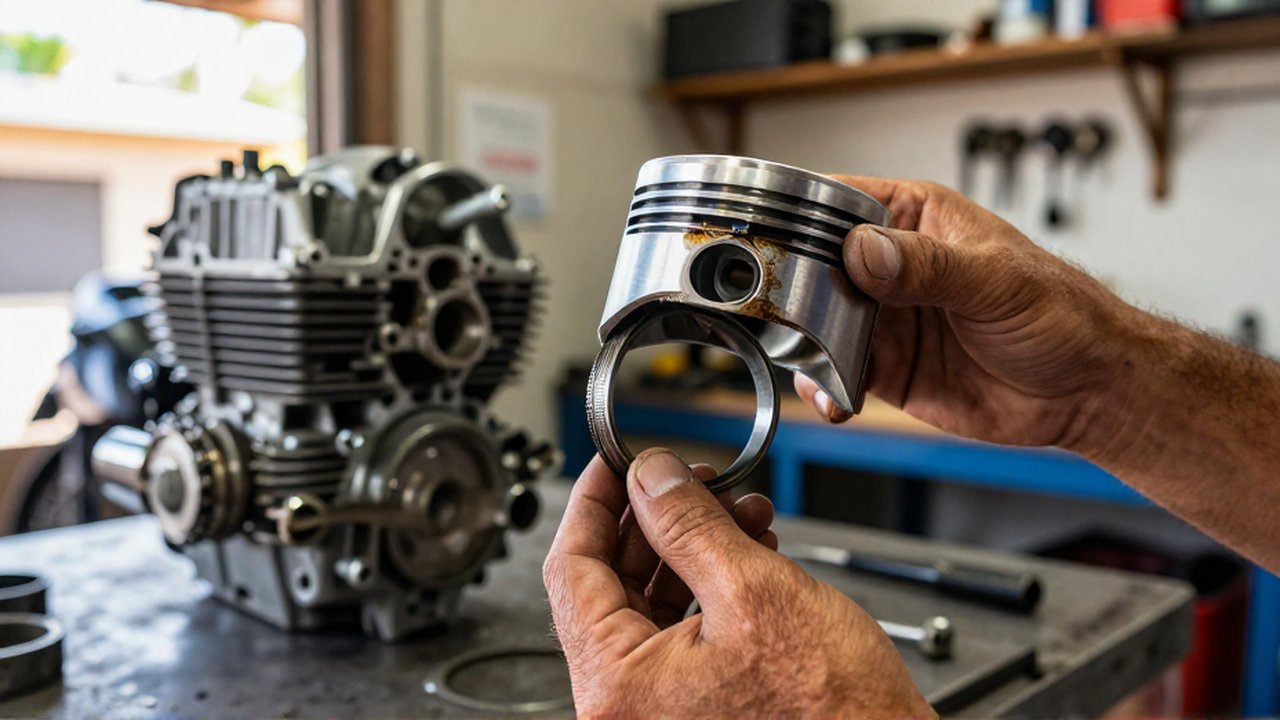
Compression is what gives a motorcycle engine its power and ability to run smoothly. Piston rings are responsible for maintaining the pressure necessary to ignite the air-fuel mixture effectively. When the rings are worn, combustion gases leak past them into the crankcase, a process known as "blow-by."
This loss of compression results in a noticeable decrease in engine performance. You may experience the following:
- A lack of power during acceleration or while climbing hills.
- Difficulty starting the engine, especially when it is cold.
- An inconsistent or rough idle.
- Frequent stalling when coming to a stop.
If the engine feels "weak" or struggles to reach its usual RPM range, checking the compression levels is a vital diagnostic step.
Increased oil consumption and low levels
If you find yourself frequently topping up your engine oil despite no visible leaks on the ground or around the engine seals, the problem is likely internal. Worn rings allow oil to bypass the piston and burn in the combustion chamber. This is a "silent" sign because the oil isn't leaking onto the pavement; it is being consumed by the engine itself.
Riders should maintain a strict oil level check schedule. If you notice a rapid decline in oil levels between services, it is highly probable that the rings are failing to control the oil film on the cylinder walls. Always distinguish between external leaks (from gaskets or seals) and internal consumption (indicated by smoke and oil loss).
Abnormal engine noises and blow-by pressure
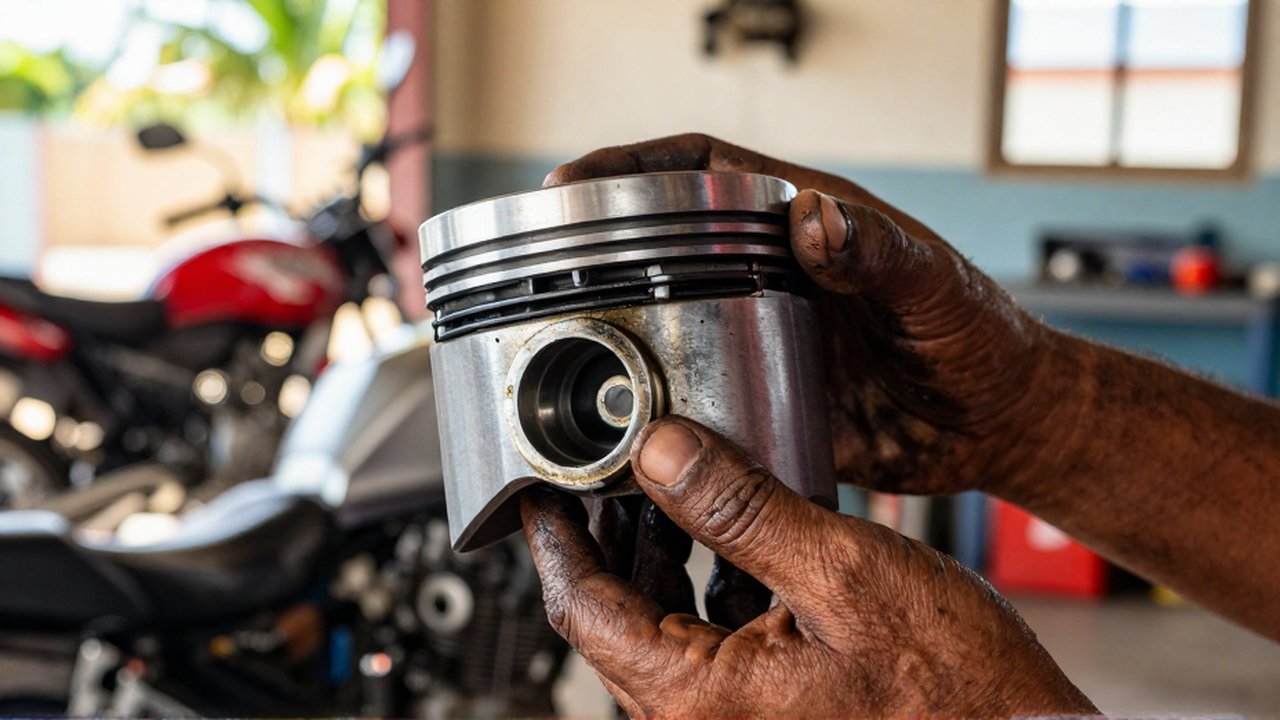
Worn piston rings can also contribute to changes in the acoustic signature of your engine. While many engine noises are common, a distinct "tapping" or "clattering" sound coming from the top of the cylinder can indicate that the rings are not seated correctly or that the piston is experiencing irregular movement.
Furthermore, "blow-by" creates pressure within the crankcase. This pressure can force gases and oil mist out through the breather tube or even push oil past the gaskets. If you see oil being forced out of the engine breather, it is a direct sign that combustion pressure is escaping past the piston rings and into the crankcase.
Comparison of symptoms
| Symptom | Primary Cause | Severity |
|---|---|---|
| Blue Exhaust Smoke | Oil entering combustion chamber | Moderate to High |
| Loss of Power | Low compression due to gas leakage | High |
| Rapid Oil Depletion | Rings failing to scrape oil | Moderate |
| Engine Stalling | Inconsistent combustion/compression | High |
Frequently asked questions
Can I fix worn rings by just changing the oil? No. Changing the oil can help clean the engine, but it cannot restore the physical thickness or tension of the metal rings. Once the rings are worn, they must be mechanically replaced.
Is running an engine with worn rings dangerous? Yes. Continued operation can lead to severe cylinder scoring, permanent damage to the cylinder walls, and eventually total engine seizure, which can be dangerous while riding.
How can I confirm it is the rings and not the valve seals? Both worn rings and faulty valve seals cause blue smoke. However, ring-related smoke is usually constant, while valve seal smoke is often most visible immediately after starting a cold engine or after idling for a long time. A compression test is the best way to confirm ring health.
Leave a Reply