
Common reasons for voiding a vehicle warranty coverage

Introduction
A vehicle warranty serves as a vital safety net for owners, protecting them from high repair costs caused by manufacturing defects or faulty components. This agreement ensures that the manufacturer or service provider covers the cost of parts and labor for a specific period or mileage. Understanding how to maintain this protection is essential for long-term vehicle ownership and financial planning.
Maintaining a warranty requires strict adherence to specific guidelines established by the manufacturer. If these conditions are neglected, the coverage may be invalidated, leaving the owner responsible for all repair expenses. Knowing the common pitfalls can help drivers avoid unexpected costs and ensure their vehicle remains protected throughout its service life.
Neglecting scheduled maintenance
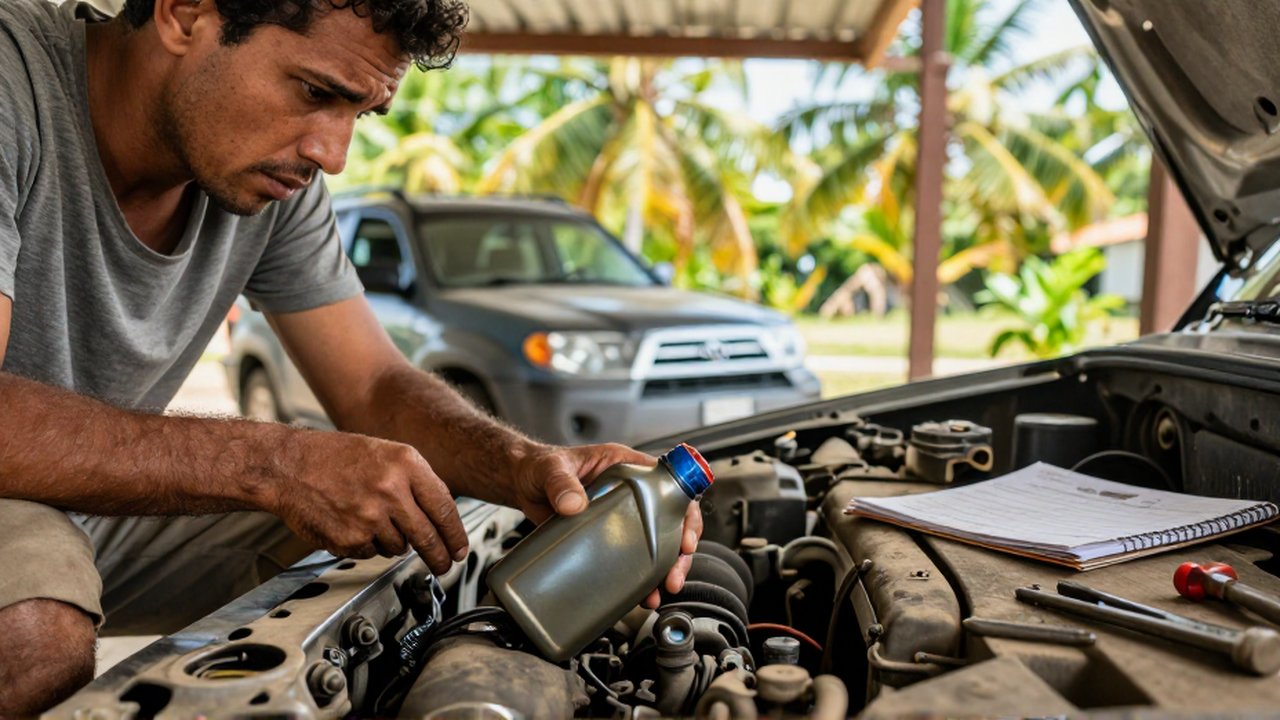
One of the most frequent reasons for warranty denial is the failure to follow the manufacturer's recommended maintenance schedule. Every vehicle comes with a manual that specifies how often certain services—such as oil changes, filter replacements, and fluid checks—must be performed.
During a warranty claim, technicians often examine the service history of the vehicle. If they find evidence that critical maintenance was skipped, they may conclude that the component failure was caused by neglect rather than a manufacturing defect. For instance, failing to change the oil regularly can lead to engine overheating or internal friction, which many manufacturers will classify as owner negligence rather than a covered defect.
Unauthorized modifications and aftermarket parts
Modifying a vehicle's original configuration is a common practice among enthusiasts, but it carries significant risks for warranty coverage. When parts are added or changed that alter the vehicle's intended performance, safety, or emissions, the manufacturer may void the warranty for related systems.
This includes several categories of modifications:
- Performance Tuning: Altering the Engine Control Unit (ECU) or installing aftermarket turbochargers.
- Suspension Changes: Installing lowering kits or heavy-duty lift kits that change the vehicle's geometry.
- Electrical Accessories: Adding non-standard lighting, high-powered audio systems, or complex alarm systems that draw unconventional power.
If a failure occurs in a system directly impacted by these changes—such as an engine failure caused by a new tuning chip—the manufacturer is likely to deny the claim.
Improper repair work by unauthorized shops
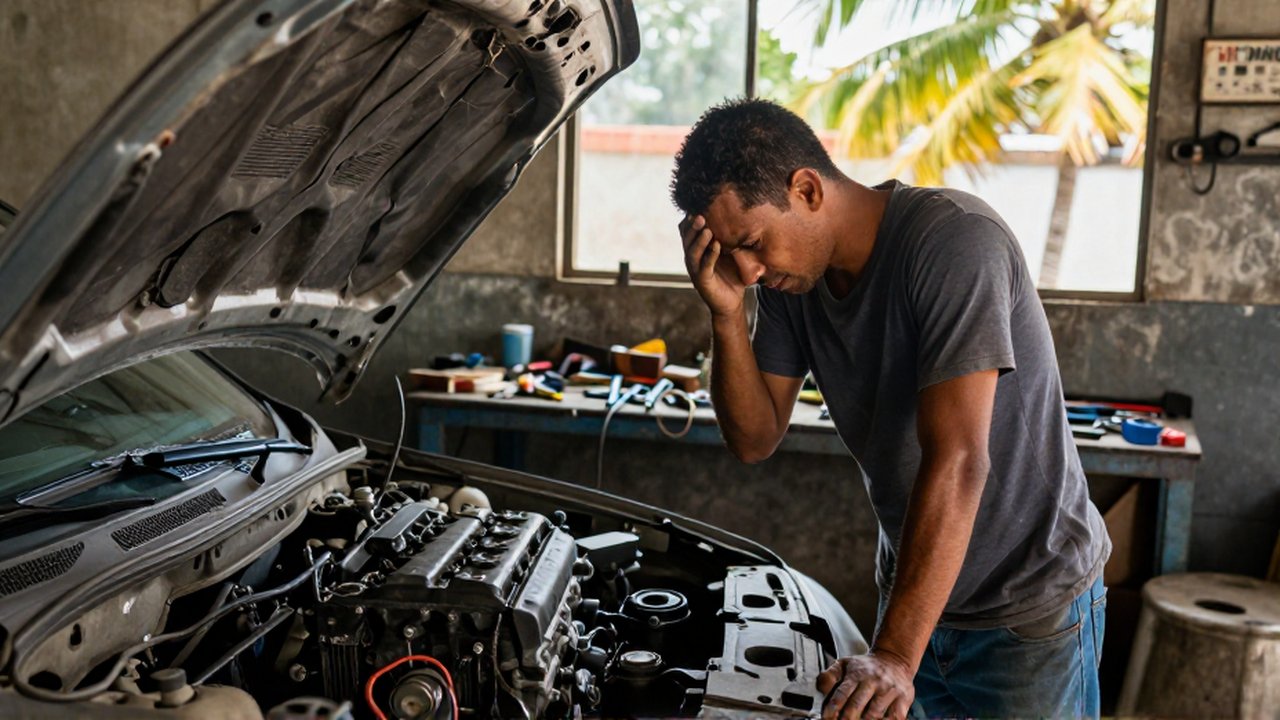
To keep a warranty valid, repairs must be performed by qualified professionals using appropriate parts and methods. While laws in many regions allow for the use of third-party mechanics, the burden of proof lies with the owner to show that the repair was performed correctly.
If a non-authorized shop performs a repair incorrectly or uses low-quality, substandard parts, the resulting damage may not be covered. For example, if an independent mechanic installs a cheap, non-OEM (Original Equipment Manufacturer) part that subsequently fails and causes damage to other engine components, the manufacturer will typically refuse to cover the consequential damage. It is always advisable to keep detailed receipts and documentation of all work performed outside of official dealerships.
Misuse and extreme driving conditions
Warranties are designed to cover defects that occur under "normal use" as defined by the manufacturer. They are not insurance policies against accidents, abuse, or extreme operational environments.
Using a vehicle in a manner for which it was not designed is a standard reason for voidance. This includes:
- Racing or Stunt Driving: Using a passenger vehicle for competitive racing or repetitive high-speed maneuvers.
- Overloading: Consistently carrying weights that exceed the vehicle's rated payload capacity.
- Off-road Abuse: Using a standard road vehicle for heavy off-roading that exceeds the suspension and chassis limits.
When a component fails due to these activities, the manufacturer can argue that the stress placed on the part exceeded its engineered limits, thereby exempting them from repair costs.
Frequently Asked Questions
Does using non-OEM parts automatically void my entire warranty? No, using aftermarket parts does not necessarily void the entire warranty. However, it can void coverage for any specific component or system that was directly damaged or negatively affected by the use of that non-OEM part.
Can I void my warranty if I perform my own maintenance? You can perform your own maintenance, but you must keep meticulous records. This includes keeping receipts for all fluids and parts purchased, as well as documenting the date and mileage for every service performed to prove that the manufacturer's requirements were met.
Will a modification to my car void the warranty on the whole vehicle? Usually, a modification only affects the warranty of the systems it interacts with. For example, installing a new exhaust system might void the warranty on certain emissions components, but it typically will not void the warranty on your car's air conditioning or infotainment system.
What should I do if a warranty claim is denied? If a claim is denied, request a detailed written explanation from the service provider explaining exactly which clause of the warranty agreement was violated. You can then review your service records and documentation to see if the denial is justified or if you can provide evidence to dispute the decision.
Leave a Reply