
Benefits of replacing worn suspension components regularly
Introduction
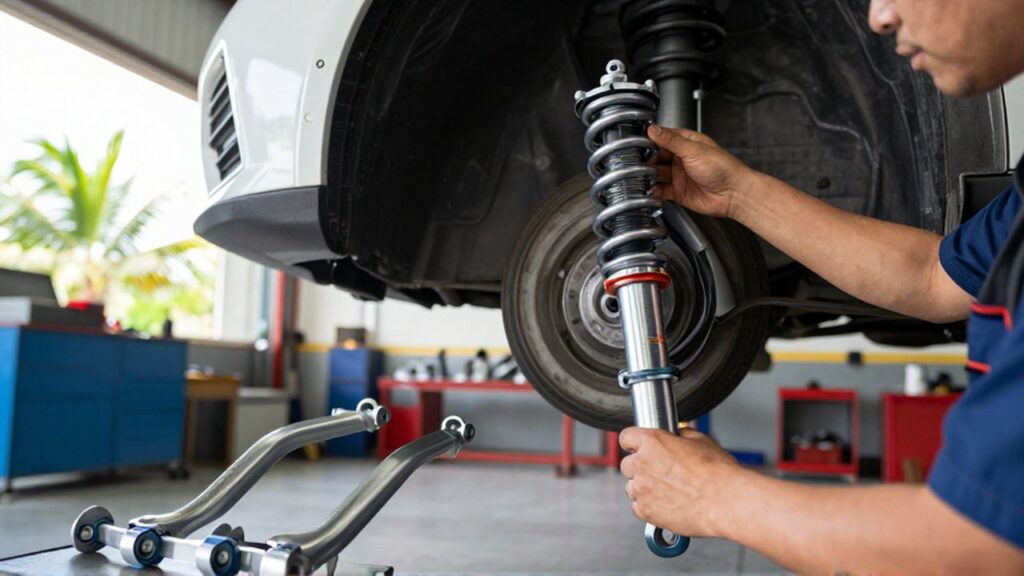
The suspension system is a critical network of components, including shock absorbers, struts, springs, and bushings, designed to manage the contact between your vehicle's tires and the road. Its primary purpose is to absorb impacts from bumps and uneven surfaces, ensuring that the vehicle remains stable and the passengers remain comfortable. In regions with varying road qualities, the suspension undergoes constant stress, making the health of these parts vital for the overall integrity of the car.
Regularly replacing worn suspension parts is not merely a matter of comfort; it is a fundamental aspect of proactive vehicle maintenance. When components like bushings or dampers degrade, they lose their ability to control vehicle movement, leading to a chain reaction of mechanical issues. Addressing wear before it leads to complete failure helps maintain predictable handling and prevents more expensive repairs in the future.
Understanding the advantages of timely replacement allows drivers to make informed decisions regarding safety and cost-effectiveness. By prioritizing the suspension, you ensure that the vehicle performs as the manufacturer intended, protecting both the occupants and the mechanical longevity of the machine.
Improved vehicle handling and stability
One of the most immediate benefits of replacing worn suspension components is the restoration of precise vehicle control. As shock absorbers and struts age, they lose their ability to dampen the oscillations of the springs. This often results in excessive "bouncing" or a feeling of instability when navigating turns or sudden maneuvers. New components ensure that the tires maintain consistent, firm contact with the road surface.
Properly functioning suspension improves steering response and reduces body roll during cornering. When the components are in good condition, the driver experiences more direct feedback through the steering wheel, allowing for more accurate lane positioning. This stability is particularly crucial during high-speed driving or when navigating emergency evasive maneuvers, where any loss of traction can lead to a loss of control.
Enhanced passenger comfort and noise reduction

A primary role of the suspension is to isolate the cabin from the harsh vibrations and jolts caused by road imperfections. Worn-out bushings, which are often made of rubber, tend to harden or crack over time, losing their ability to absorb micro-vibrations. This leads to a much noisier driving experience, characterized by rattles, clunks, and squeaks that become increasingly pronounced as the vehicle moves over uneven terrain.
Replacing these fatigued parts restores the "smooth" feel of the ride. High-quality, new components act as a buffer, absorbing the energy from potholes and bumps before it reaches the chassis. This reduction in vibration not only improves the comfort of all passengers but also reduces the long-term fatigue caused by constant physical jarring during long journeys.
Extended tire life and reduced maintenance costs
The suspension system and the tires work in a symbiotic relationship. When suspension components are worn, the vehicle's geometry—such as camber, caster, and toe—can become misaligned. This misalignment causes the tires to press against the road at irregular angles, leading to uneven tread wear. This phenomenon often results in "cupping" or premature thinning of specific parts of the tire, forcing owners to replace expensive rubber much sooner than expected.
By maintaining a healthy suspension, you ensure that the tires make even contact with the pavement. This even distribution of pressure maximizes the lifespan of the tires and maintains optimal grip. Furthermore, investing in suspension maintenance prevents the accelerated wear of other connected parts, such as ball joints, tie rod ends, and steering linkages, which are often subjected to increased stress when the suspension fails to do its job.
Comparison of suspension health impact

| Feature | Worn Components | New/Maintained Components |
|---|---|---|
| Tire Wear | Uneven, rapid, and premature | Even and consistent across the tread |
| Braking Performance | Increased nose-dive and instability | Stable, controlled deceleration |
| Ride Quality | Harsh, bouncy, and noisy | Smooth and dampened |
| Steering Precision | Vague or delayed response | Sharp and predictable |
Increased safety during braking and cornering
Safety is the most significant reason to monitor suspension health. During braking, the weight of the vehicle shifts forward. A functioning suspension system, specifically the front struts and shocks, manages this weight transfer to keep the vehicle level. If the components are worn, the vehicle may "nose-dive" excessively, which can disrupt the balance of the car and increase the distance required to come to a complete stop.
Similarly, during cornering, the suspension manages lateral forces. Worn components can cause the vehicle to lean excessively or even lose traction on the inner wheels, increasing the risk of skidding. Maintaining these parts ensures that the vehicle remains predictable under stress, providing the driver with the confidence and the mechanical capability to react safely to changing road conditions.
Frequently asked questions
How can I tell if my suspension is worn out? Common signs include excessive bouncing after a bump, a "nose-dive" during braking, uneven tire wear, or audible clunking noises when driving over uneven surfaces.
Can a bad suspension affect my braking distance? Yes. Worn suspension can cause the vehicle to tilt excessively during braking, which reduces the effectiveness of the tires' grip on the road and can increase the total stopping distance.
Should I replace suspension parts in pairs? It is generally recommended to replace components in pairs (such as both front struts) to ensure balanced handling and consistent damping on both sides of the vehicle.
Does the climate affect suspension longevity? Yes. High humidity and extreme temperature fluctuations can cause rubber bushings and seals to crack or degrade faster, potentially accelerating the wear of the suspension system.
Leave a Reply