
Impact of high temperatures on car battery lifespan
Introduction
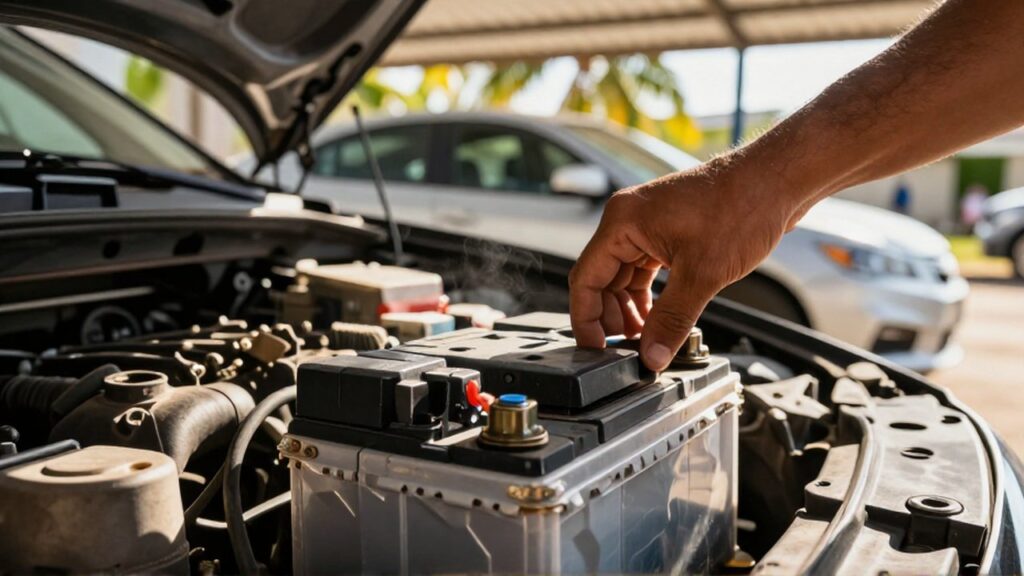
Car batteries are critical components responsible for providing the electrical surge needed to start the engine and powering essential electronics when the vehicle is idling. In tropical climates like the Dominican Republic, where high ambient temperatures are a constant reality, these components face extreme physiological stress. Understanding how heat affects battery chemistry is vital for every vehicle owner to prevent unexpected breakdowns and manage maintenance costs effectively.
High temperatures do not just affect the battery while the car is parked in the sun; they also accelerate internal chemical reactions during operation. This thermal stress can lead to premature degradation, reducing the overall service life of the unit significantly. Knowing the mechanics behind this process allows drivers to implement better protection strategies and recognize the warning signs of failure before they become stranded on the road.
Chemical reaction acceleration and internal damage
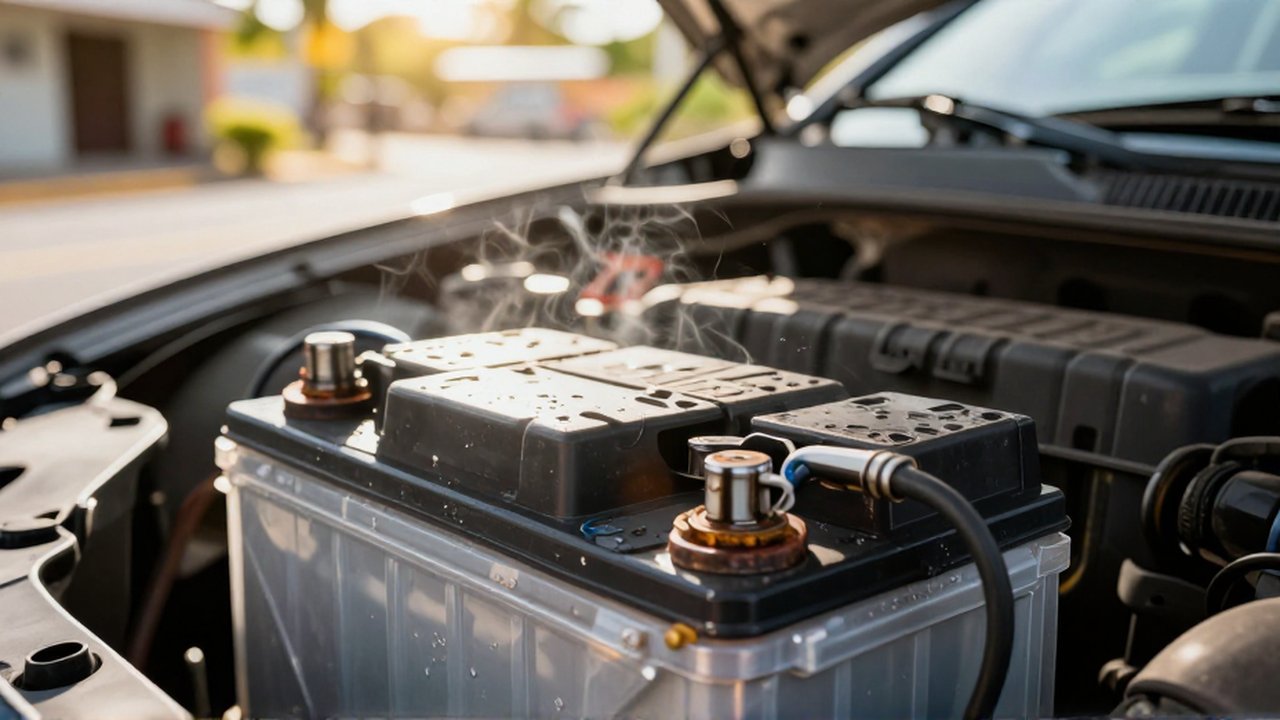
A car battery operates through a series of chemical reactions between lead plates and an electrolyte solution, typically composed of sulfuric acid and water. While a battery needs these reactions to produce electricity, heat acts as a catalyst that speeds up these processes excessively. This acceleration is known as chemical evaporation and internal corrosion.
When the ambient temperature rises, the internal temperature of the battery follows suit. The increased kinetic energy causes the electrolyte to react more aggressively with the lead plates. This leads to several issues:
- Electrolyte Evaporation: High heat causes the fluid inside the battery to evaporate more quickly. If the fluid level drops too low, the plates are no longer submerged, leading to permanent damage and loss of capacity.
- Accelerated Corrosion: The rapid chemical activity increases the rate at which the lead plates and connectors corrode. This buildup of sediment on the plates prevents the battery from holding a full charge.
- Internal Short Circuits: Excessive heat can cause the internal components to expand and degrade physically, potentially leading to internal shorts that drain the battery instantaneously.
Comparison of cold versus hot climate impacts
A common misconception among drivers is that cold weather is the primary enemy of the car battery. While extreme cold does affect a battery's ability to discharge power effectively, the damage caused by heat is often more permanent and structural.
| Feature | Impact of Extreme Cold | Impact of High Heat |
|---|---|---|
| Primary Effect | Reduces the chemical activity and discharge rate. | Accelerates chemical degradation and corrosion. |
| Battery Health | Can usually be recovered by driving or charging. | Causes permanent physical and chemical damage. |
| Failure Mode | Slow cranking or failure to start in the morning. | Sudden death due to internal shorts or fluid loss. |
| Structural Result | Temporary loss of performance. | Permanent reduction in total lifespan. |
Practical steps to protect battery health

Since heat is an environmental factor that cannot be entirely avoided, vehicle owners must focus on mitigation and proactive maintenance. Implementing a few simple habits can extend the life of the battery even in the most demanding tropical conditions.
One of the most effective methods is to park in the shade whenever possible. Reducing direct sunlight exposure prevents the battery casing from absorbing thermal energy. If parking in the shade is not an option, using a windshield sunshade can help lower the overall temperature inside the vehicle cabin, which indirectly helps if the battery is located near the interior or under the dashboard.
Regularly inspecting the battery terminals is also essential. Cleaning any white or bluish powdery buildup (corrosion) from the terminals ensures a strong electrical connection and prevents resistance that can generate even more heat. Furthermore, checking the battery mounting bracket is crucial; a battery that is loose can vibrate more, which, combined with heat, accelerates the physical breakdown of the internal plates.
Warning signs of heat-induced failure
Because heat degrades batteries gradually, it is important to recognize the symptoms of a dying battery before it fails completely. Drivers should stay alert to changes in vehicle behavior, especially during the hottest months of the year.
A common sign is a slower-than-usual engine crank. If the car takes longer to turn over during a morning start, the battery may have lost a portion of its capacity due to heat-induced corrosion. Another indicator is the appearance of swollen or bloated battery casings. This swelling is a clear sign that internal gases have built up due to excessive heat and chemical reaction, and it often indicates that the battery is nearing the end of its life.
Additionally, flickering lights or dimming electronic displays when the engine is idling can signal that the battery is struggling to maintain stable voltage. If these symptoms are accompanied by a musty smell—which could indicate leaking electrolyte—the battery should be inspected by a professional immediately.
Frequently asked questions
Does a battery die faster in the summer or winter? While cold weather makes it harder for a battery to provide power, high heat causes permanent internal damage through evaporation and corrosion, typically shortening the overall lifespan more significantly than cold temperatures.
Can I add water to my battery to fix heat damage? Only if you have a "serviceable" battery designed to be topped up. Most modern batteries are "maintenance-free" and sealed; attempting to open them can be dangerous and may damage the unit further.
How often should I check my battery in a hot climate? It is recommended to perform a visual inspection of the terminals and the battery casing every few months, especially during the transition into the hottest season of the year.
Does using the air conditioning affect my battery? Yes, the air conditioning system places a higher electrical load on the vehicle. While the alternator handles this load, a battery already weakened by heat may struggle to maintain stability during heavy electrical usage.
Leave a Reply