
Why engine vibrations occur during idling

Introduction
Engine vibration while idling is a common occurrence that many drivers notice when their vehicle is stopped at a traffic light or waiting in a driveway. While a very slight, rhythmic hum is normal for most internal combustion engines, noticeable shaking, shuddering, or rattling can indicate that something is functioning incorrectly. Monitoring these vibrations is essential for early vehicle maintenance, as it allows you to identify minor issues before they escalate into expensive mechanical repairs.
Understanding the causes of these vibrations is critical for ensuring driving comfort and long-term engine health. An engine is essentially a series of controlled explosions that create movement; when the timing, fuel delivery, or mechanical support systems are even slightly out of sync, that energy is transferred to the vehicle chassis as unwanted movement. Identifying whether the cause is electrical, mechanical, or related to engine mounts can save significant time and resources during the diagnostic process.
Common mechanical causes for idling vibration
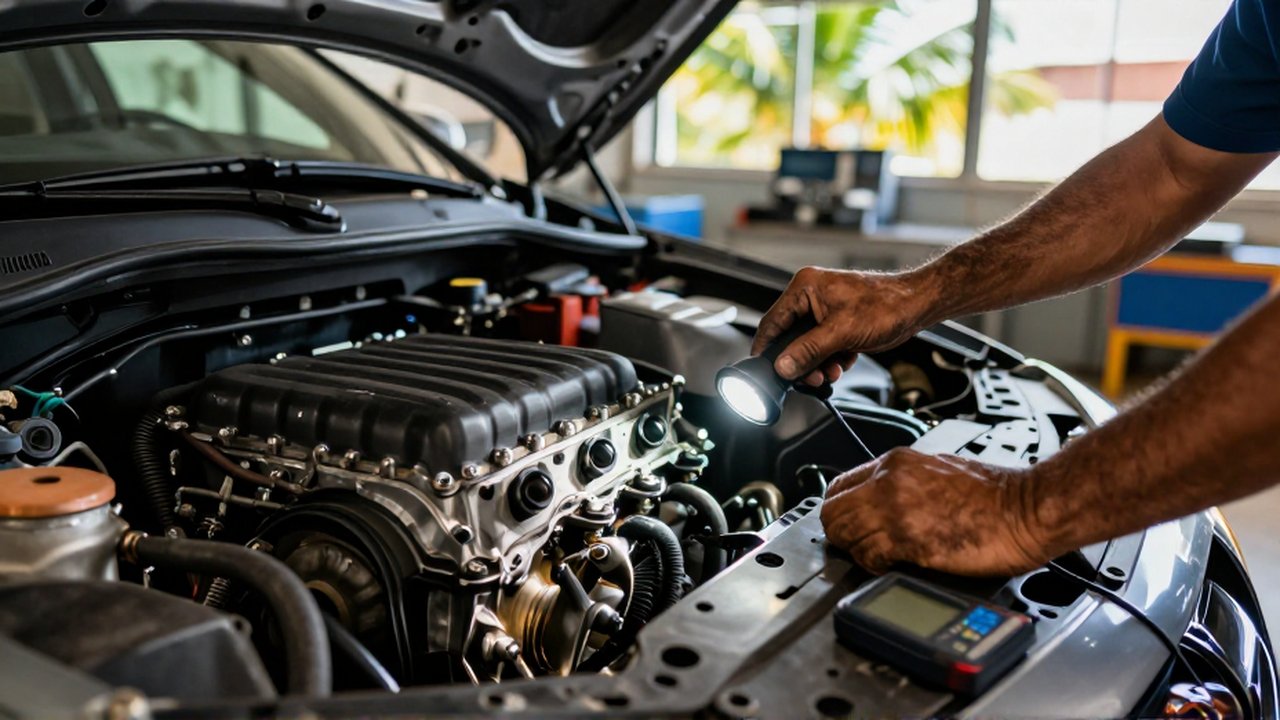
One of the most frequent reasons an engine vibrates during idle is the deterioration of engine mounts. These components are designed to sit between the engine and the vehicle's frame, acting as shock absorbers to dampen the natural movements produced by the combustion process. Over time, the rubber or hydraulic fluid within these mounts can crack, compress, or leak. When the mounts fail, they no longer effectively isolate the engine's movements, allowing vibrations to pass directly into the cabin.
Another significant mechanical factor involves the ignition system. For an engine to run smoothly, each cylinder must fire at precisely the right moment with the correct amount of energy. If spark plugs are worn out, fouled with carbon, or if the ignition coils are failing, one of the cylinders may experience a "misfire." This creates an imbalance in the engine's rotation, leading to a noticeable stutter or shake, especially when the engine is under the low-load conditions of idling.
Impact of fuel and air delivery systems
The stability of an engine at idle depends heavily on the "air-fuel ratio." To maintain a steady idle, the engine's computer must precisely regulate how much air enters through the intake and how much fuel is injected into the cylinders. If this balance is disrupted, the engine will struggle to stay running smoothly.
Several components are responsible for this delicate balance:
- Throttle Body: If the throttle body becomes clogged with carbon deposits, it can restrict the airflow necessary to maintain a steady idle.
- Idle Air Control (IAC) Valve: This component specifically manages the air bypassed around the throttle plate during idling. A faulty IAC valve can cause the RPMs to fluctuate wildly, leading to vibrations.
- Fuel Injectors: Clogged or leaking fuel injectors can cause irregular fuel delivery to individual cylinders, resulting in an uneven combustion rhythm.
- Vacuum Leaks: If air enters the engine through a crack in a hose or gasket (bypassing the intended sensors), the air-fuel mixture becomes too lean, causing the engine to stumble and shake.
Sensor and electronic malfunctions

Modern vehicles rely on a complex network of sensors to communicate how the engine is performing. When these sensors provide inaccurate data, the Engine Control Unit (ECU) may make incorrect adjustments to the idle speed or fuel mixture.
The Mass Air Flow (MAF) sensor is a primary culprit in these scenarios. It measures the amount of air entering the engine so the ECU can calculate the correct amount of fuel. If the MAF sensor is dirty or faulty, the engine may receive too much or too little fuel, causing a rough idle. Similarly, oxygen sensors that monitor exhaust gases can provide misleading information, resulting in poor combustion efficiency. While these electronic issues may not always trigger a dashboard warning light immediately, they often manifest first as physical vibrations felt by the driver.
Troubleshooting and diagnostic steps
When experiencing vibrations, it is helpful to observe the nature of the movement. A consistent, heavy shaking often points toward motor mounts, while a rhythmic "searching" or fluctuating RPM (where the needle moves up and down) usually suggests an issue with air, fuel, or sensors.
To approach the problem systematically, consider these steps:
- Observe the RPM Gauge: Watch the tachometer while idling. If the needle is jumping, focus on air/fuel delivery or sensors. If the RPM is steady but the car shakes, focus on engine mounts.
- Check for Warning Lights: Even if a light is not on, using an OBD-II scanner can reveal "pending codes" that point toward specific sensor failures.
- Inspect Visual Components: Look for cracked rubber mounts or visible vacuum leaks (hoses that appear disconnected or split).
- Maintain Routine Service: Ensure spark plugs and air filters are within their recommended service life, as these are the most common "easy fixes."
Frequently asked questions
Can a dirty air filter cause engine vibration? Yes. A heavily clogged air filter restricts the volume of oxygen reaching the engine. This can cause the air-fuel mixture to become incorrect, leading to an unstable idle and noticeable shaking.
Is it normal for an engine to vibrate slightly when idling? Most engines produce a very slight, almost imperceptible vibration. However, if you can see the steering wheel shaking or feel the vibration through the seat, it is considered abnormal and should be inspected.
How can I tell if my engine mounts are broken? A common sign is feeling a vibration that disappears or decreases significantly when the car is shifted into gear (Drive or Reverse) or when the engine RPM is increased. Significant movement of the engine visible under the hood can also indicate failure.
Will a misfire always cause a check engine light? In most modern vehicles, a significant misfire will trigger a check engine light to prevent damage to the catalytic converter. However, very minor or intermittent misfires might not trigger a light immediately, though they will still cause vibration.
Leave a Reply