
How to avoid accidents during nighttime driving in DR
Introduction
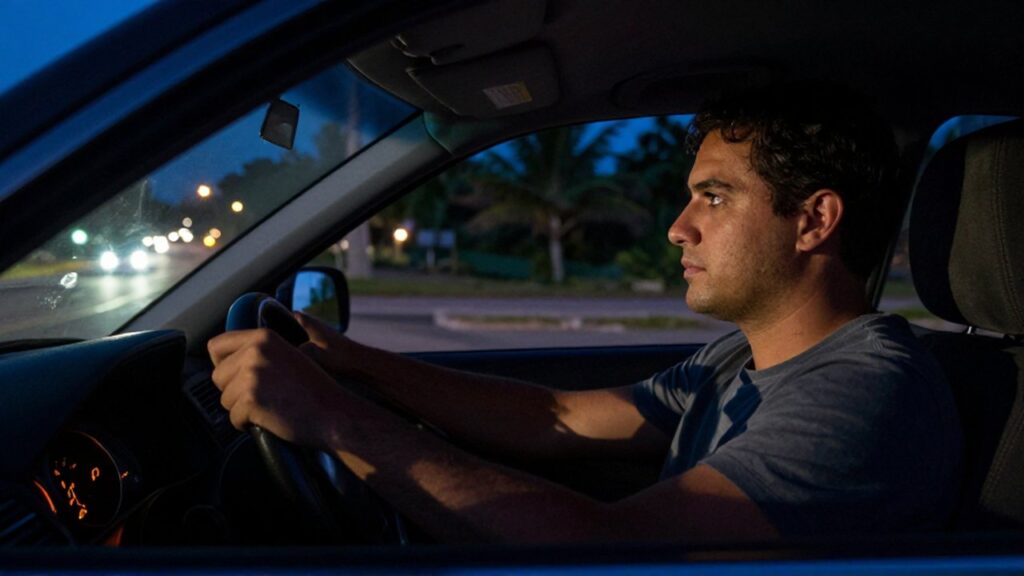
Driving at night in the Dominican Republic presents a unique set of challenges that differ significantly from daytime travel. Reduced visibility, unpredictable road conditions, and varying levels of street lighting create an environment where the margin for error is much slimmer. Understanding how to navigate these nocturnal hazards is essential for every driver to ensure personal safety and the protection of others on the road.
Mastering night driving techniques is particularly important when traversing both urban centers and rural highways. Whether you are commuting through Santo Domingo or traveling between provinces, being prepared for sudden obstacles, poor illumination, and driver fatigue can prevent life-altering accidents. This guide provides practical strategies to help you mitigate risks and maintain control during nighttime journeys.
Essential vehicle lighting maintenance
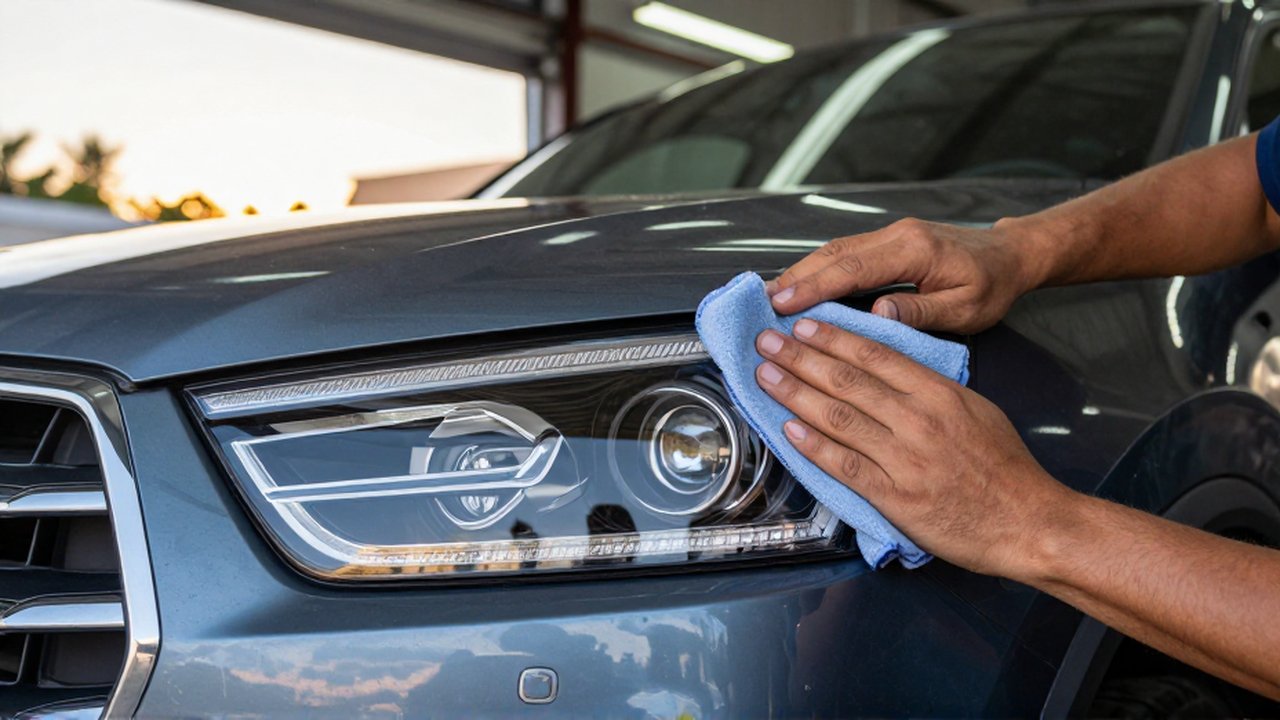
One of the most critical factors in preventing nighttime accidents is ensuring your vehicle's lighting system is in perfect working order. In the Dominican Republic, where many secondary roads lack streetlights, your headlights are your primary tool for detecting hazards like potholes, animals, or pedestrians.
Before heading out at night, perform a quick inspection of your headlights, high beams, fog lights, and turn signals. It is not enough for the lights to simply turn on; they must be properly aligned. Misaligned headlights can cause "glare blindness" for oncoming drivers, which increases the risk of head-on collisions, and they may fail to illuminate the road far enough ahead for you to react to obstacles.
Furthermore, ensure your brake lights and rear indicators are functioning correctly. In heavy tropical rain or low-light conditions, other drivers rely heavily on these signals to understand your intentions. Clean your lenses regularly, as dirt and grime can significantly reduce the luminous intensity of your lamps.
Managing glare and visibility issues
Glare is a major contributor to nighttime accidents. This occurs when the light from oncoming vehicles, or even reflections from wet asphalt after a tropical downpour, hits your eyes directly, causing temporary blindness. To manage this, avoid looking directly into the light source of an approaching car; instead, shift your gaze toward the white line on the right side of the lane to maintain your position.
Modern vehicles often come with tinted windshields or interior accessories that might seem helpful but can actually distort light or create confusing reflections. Keep your windshield as clean as possible, both inside and out. A film of dust or oily residue on the interior of the glass can catch the light from oncoming traffic, creating a "veil" of glare that obscures your view of the road.
Identifying and reacting to road hazards
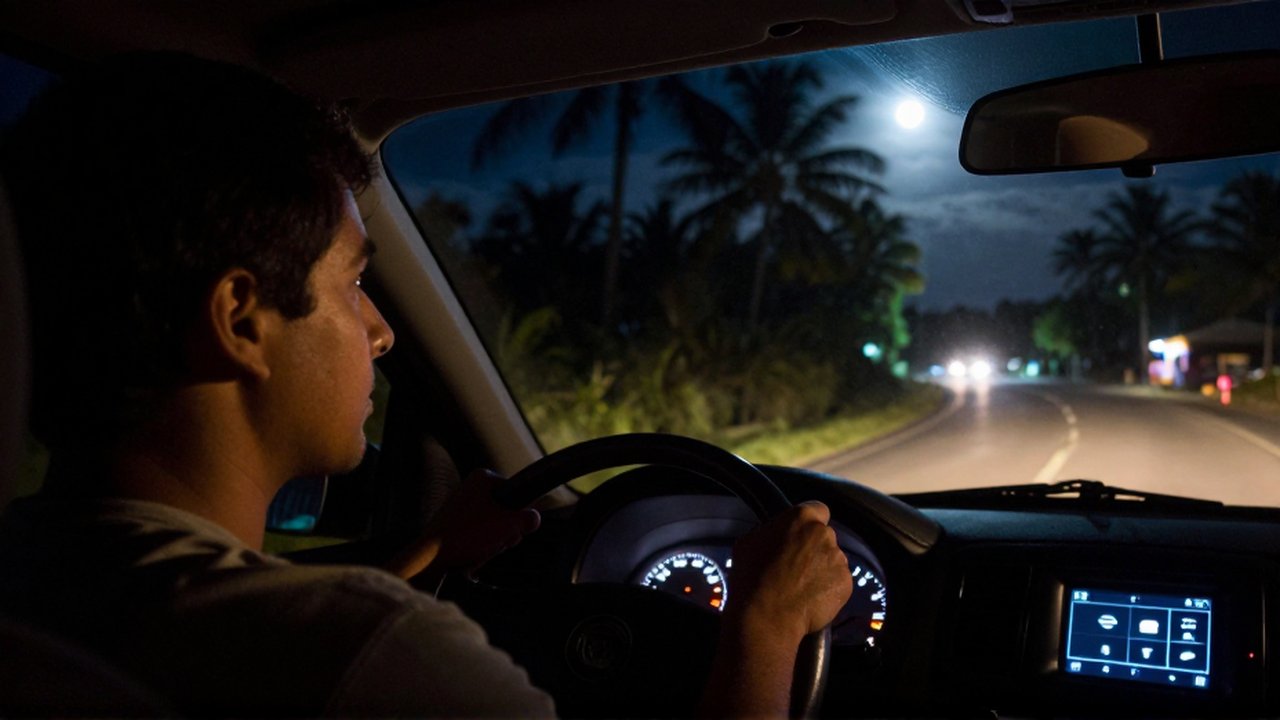
The infrastructure in the Dominican Republic can change rapidly between urban and rural zones. During the night, hazards that are obvious during the day—such as unpaved shoulders, sudden construction zones, or debris in the road—become much harder to spot.
Drivers should adopt a defensive driving posture by increasing their following distance. This provides extra time to react if the driver in front of you brakes suddenly or if you encounter an unexpected obstacle in the dark. When driving on highways, be particularly vigilant for animals crossing the road, as their eyes can reflect light, providing only a split-second warning before impact.
| Hazard Type | Mitigation Strategy |
|---|---|
| Potholes/Uneven surfaces | Scan the road ahead with high beams when appropriate; avoid sudden swerves. |
| Oncoming glare | Look toward the right-side lane markings to maintain orientation. |
| Pedestrians/Cyclists | Maintain lower speeds in residential or poorly lit urban areas. |
| Wet roads/Hydroplaning | Reduce speed and avoid sudden braking during or after rainfall. |
Combatting fatigue and biological factors
Driving at night is physiologically more demanding than driving during the day. The human body is naturally inclined to experience a dip in alertness during late-night hours, a phenomenon that can lead to microsleeps—brief moments of sleep lasting only a few seconds that are often enough to cause a crash.
If you feel your eyes getting heavy or your concentration drifting, do not attempt to "power through" using caffeine or loud music. These are temporary fixes that do not address the underlying biological need for rest. The only effective solution is to pull over in a safe, well-lit area and rest. Plan your trips to avoid driving during your body's natural circadian lows, and if you must travel late, ensure you have had sufficient sleep beforehand.
Frequently asked questions
How far ahead should I scan the road at night? You should scan far enough ahead to see objects clearly with your headlights, but focus your immediate attention on the path directly in front of the vehicle to ensure you can react to immediate obstacles.
Should I always use my high beams? High beams are excellent for visibility on dark rural roads, but you must switch to low beams whenever you approach an oncoming vehicle or when you are following another car closely to avoid blinding other drivers.
What should I do if an oncoming car blinds me with its lights? Do not look directly at the lights. Instead, focus your eyes on the right edge of your lane (the white line) to guide your steering while waiting for the vehicle to pass.
Does rain change how I should drive at night? Yes, rain significantly reduces visibility through glare and can hide road defects. You should slow down, increase your following distance, and ensure your windshield wipers are in good condition.
Leave a Reply