
Importance of chassis integrity for road safety
Introduction
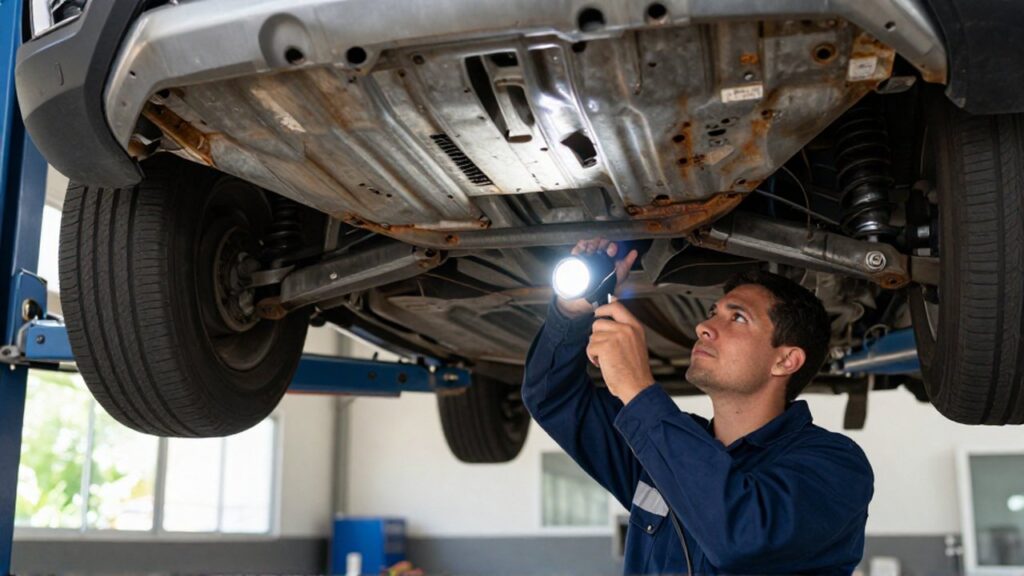
The chassis serves as the structural backbone of any vehicle, providing the essential framework that supports the engine, transmission, suspension, and body. Its primary purpose is to maintain the vehicle's shape and structural geometry under the constant stress of movement, weight distribution, and external forces. Ensuring chassis integrity is critical because it dictates how a vehicle reacts to sudden maneuvers, heavy loads, and impacts, making it a fundamental element of overall road safety.
Maintaining a sound chassis is an ongoing necessity for every vehicle owner, especially when driving in regions with varying road qualities or tropical climates. When the chassis is compromised by rust, cracks, or previous collision damage, the vehicle's handling becomes unpredictable, and its ability to protect occupants during an accident is significantly diminished. Regular inspections are required to detect subtle signs of fatigue before they lead to catastrophic mechanical failure or loss of control.
Role of the chassis in vehicle stability
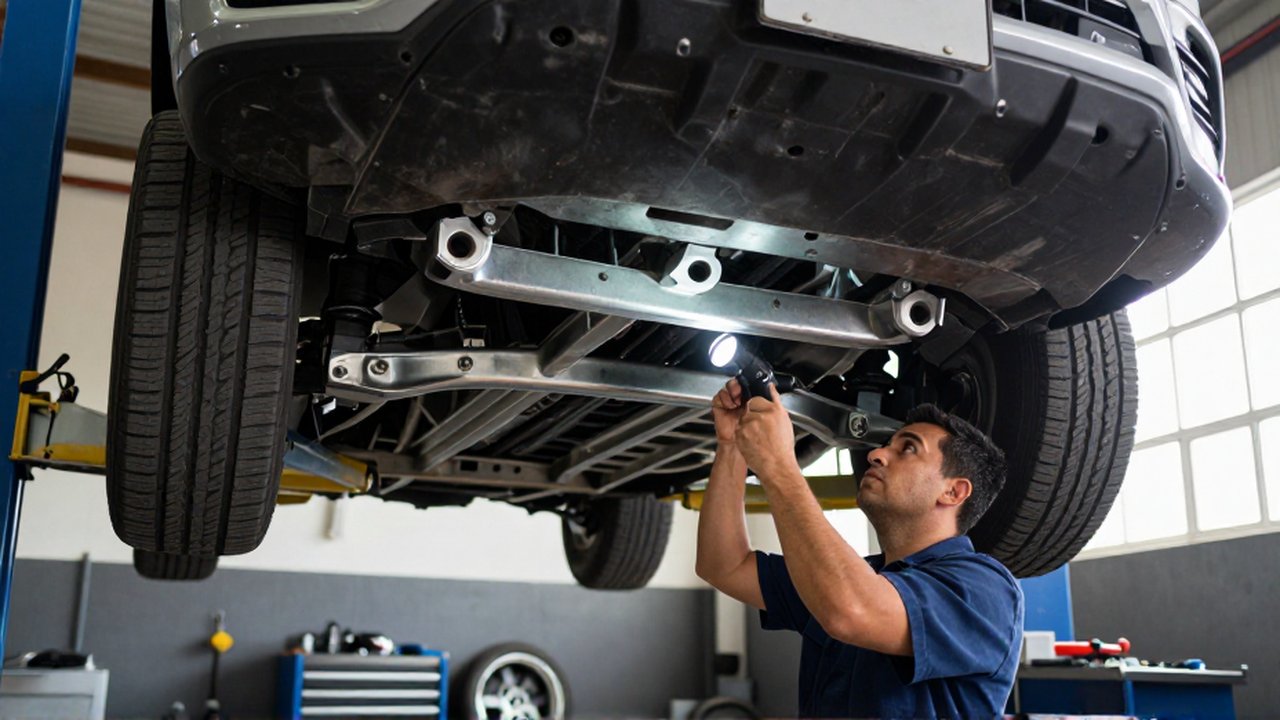
The chassis is responsible for absorbing the energy generated by the road surface and the movement of the wheels. A rigid and intact frame ensures that the suspension components remain aligned in their intended positions. When the chassis is healthy, the steering feels precise, and the vehicle maintains a predictable path during cornering or braking.
If the structural integrity is lost, the vehicle may suffer from "chassis flex." This occurs when the frame twists or bends during movement, causing the wheels to lose optimal contact with the ground. This instability can lead to uneven tire wear, poor braking performance, and a lack of control during emergency evasive maneuvers. In essence, a stable chassis provides the predictable behavior necessary for safe driving.
Common threats to chassis structural integrity
Several environmental and operational factors can degrade the strength of a vehicle's frame over time. Identifying these threats is the first step in preventive maintenance.
- Corrosion and Oxidation: In coastal or tropical environments, high humidity and salt content in the air accelerate the oxidation of metal. Rust can eat through structural members, thinning the metal and creating weak points.
- Impact Damage: Collisions, even minor ones, can cause microscopic cracks or slight bends in the frame. While a car might look fine on the exterior, a bent chassis can permanently alter the vehicle's geometry.
- Road Stress and Fatigue: Constantly driving over potholes, uneven terrain, or unpaved roads subjects the chassis to repetitive high-stress cycles. Over time, this can lead to metal fatigue.
- Overloading: Regularly carrying loads that exceed the manufacturer's specified weight limits puts excessive strain on the structural components, potentially leading to permanent deformation.
Signs of chassis degradation and failure
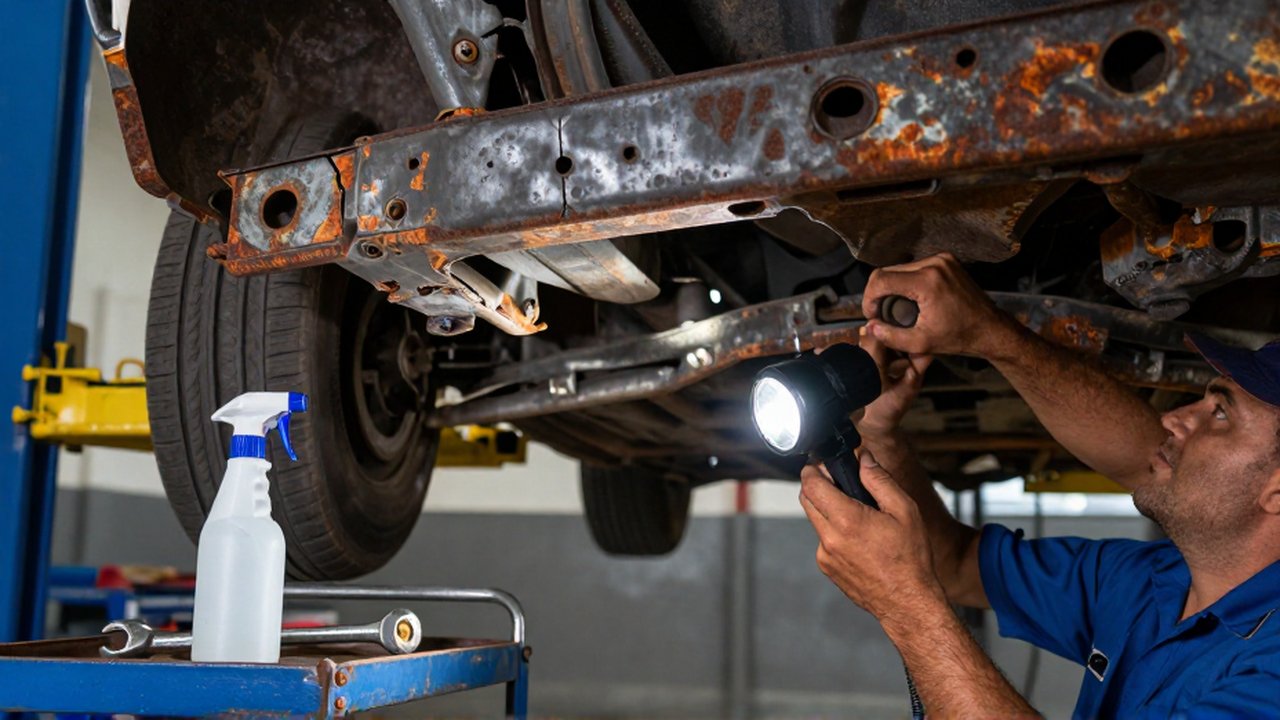
Detecting issues early can prevent expensive repairs and life-threatening situations. Drivers should pay close attention to how the vehicle behaves during routine use.
| Symptom | Potential Chassis Issue | Impact on Driving |
|---|---|---|
| Uneven tire wear | Misalignment due to frame distortion | Reduced traction and increased costs |
| Pulling to one side | Structural bending or suspension misalignment | Difficulty maintaining a straight path |
| Unusual noises | Loose components or structural cracks | Loss of confidence in vehicle stability |
| Vibrations | Frame weakness or uneven weight distribution | Reduced comfort and control |
If you notice that the vehicle feels "loose" or if the steering no longer returns to the center position naturally, these are often indicators that the underlying structure is no longer providing the necessary rigidity.
Essential steps for chassis inspection
A thorough inspection requires a combination of visual checks and professional mechanical evaluations. While a driver can perform basic observations, certain aspects require specialized tools and expertise.
Visual perimeter check Examine the visible parts of the frame for signs of surface rust, bubbling paint (which often hides deep corrosion), or fresh patches of sealant that might indicate a previous repair. Check for any signs of welding or structural modifications that were not performed by a certified manufacturer.
Alignment and handling assessment Pay attention to how the vehicle tracks during straight-line driving on a flat surface. Any tendency to veer or a feeling of instability at higher speeds can suggest that the chassis's geometric integrity has been compromised.
Professional diagnostic evaluation The most reliable way to ensure safety is to have a professional technician inspect the vehicle using a lift. This allows for a detailed view of the undercarriage, where technicians can look for hairline cracks, rivet failures, or deep-seated corrosion in hard-to-reach areas like the subframes and mounting points.
Frequently asked questions
Can a minor accident affect the chassis? Yes, even if the exterior bodywork seems mostly intact, the energy from an impact is transferred directly to the chassis. This can cause subtle bends or hidden cracks that compromise the long-term safety and alignment of the vehicle.
How does humidity affect the chassis? High humidity promotes the formation of rust, especially on exposed metal parts and joints. If not treated with protective coatings, this corrosion can weaken the structural strength of the frame over time.
Is it possible to repair a bent chassis? While some structural damage can be repaired using specialized hydraulic equipment and welding, a chassis that has suffered significant deformation or severe corrosion may be beyond safe repair. In many cases, structural integrity cannot be fully restored to original factory standards.
How often should I inspect my vehicle's undercarriage? It is recommended to perform a visual inspection of the undercarriage at least once a year or more frequently if you drive in salty, humid, or poorly maintained road conditions. Regular professional inspections are the best way to ensure ongoing safety.
Leave a Reply