
Best practices for parking cars under direct sunlight

Introduction
Parking a vehicle under the intense tropical sun can lead to significant long-term damage if precautions are not taken. High temperatures and ultraviolet (UV) radiation do not just affect the exterior paint; they also penetrate the cabin, affecting the dashboard, upholstery, and various electronic components. Understanding how to mitigate these effects is essential for preserving the aesthetic value and functional integrity of your car.
Implementing a routine of sun protection helps prevent the fading of colors, the cracking of leather or plastic surfaces, and the excessive buildup of heat within the vehicle. By following specific parking strategies and using appropriate accessories, owners can minimize the depreciation of their vehicles and ensure a more comfortable driving experience immediately after stepping back into the car.
Risks of prolonged sun exposure
Direct sunlight poses several threats to a vehicle's structural and aesthetic components. The most visible impact is on the paintwork, where UV rays can cause oxidation, leading to a dull, faded appearance over time. If the clear coat is compromised by extreme heat, the protective layer may eventually peel, requiring expensive professional repairs.
The interior is often even more vulnerable. Continuous exposure to high temperatures can cause plastic trim to become brittle and crack, while leather seats may dry out and lose their suppleness. Furthermore, extreme cabin heat can affect electronic sensors and dashboard components, potentially leading to premature malfunctions.
Essential tools for heat protection
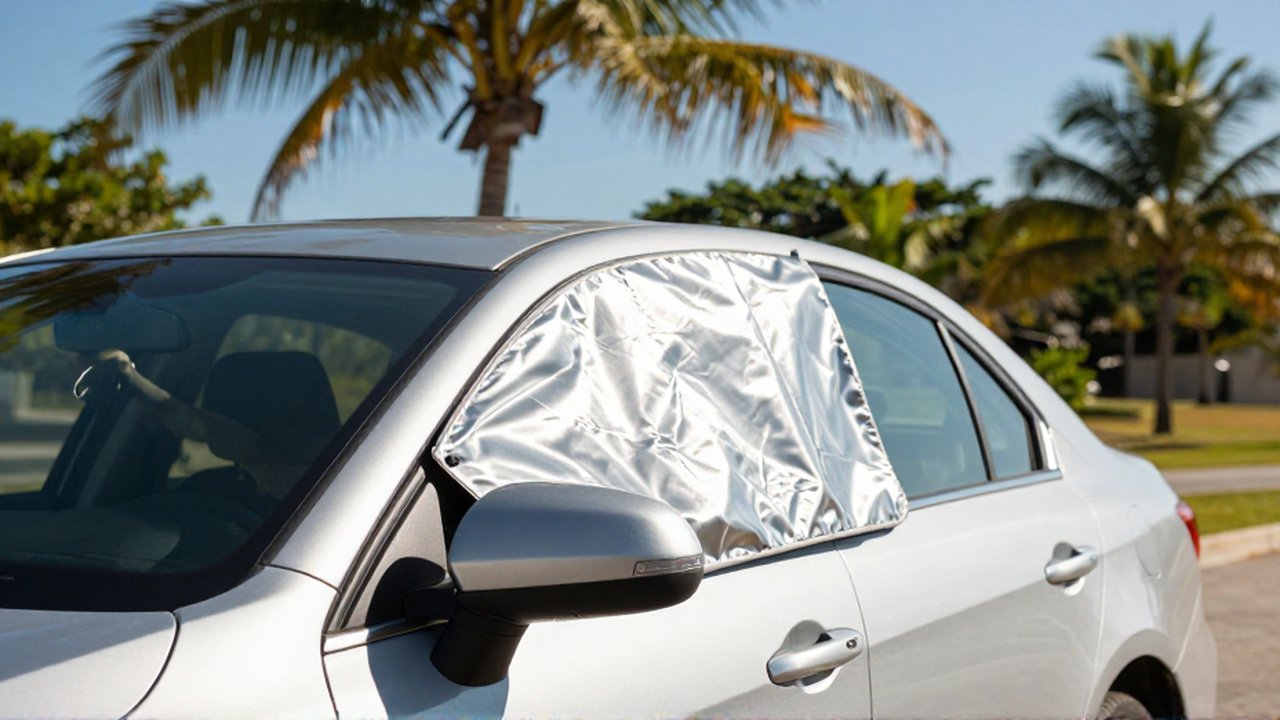
To combat the effects of the sun, several practical tools can be utilized. Using these items can create a barrier between the solar radiation and the vehicle's sensitive surfaces.
- Windshield sunshades: These are arguably the most effective tool for reducing cabin temperature. A reflective shade placed against the front windshield blocks a significant portion of incoming radiation.
- Ceramic window tinting: High-quality tinting can help reject infrared heat and block UV rays. Unlike standard dark films, ceramic tints are designed specifically for thermal regulation.
- Car covers: While more labor-intensive, a fitted car cover provides complete protection for both the exterior paint and the windows, making it ideal for long-term parking in open areas.
- Protective coatings: Applying high-quality wax or ceramic coatings to the exterior helps create a sacrificial layer that protects the paint from UV-induced oxidation.
Strategic parking techniques
Where and how you park can make a significant difference in how much heat your vehicle absorbs. Whenever possible, prioritize shaded areas, such as those provided by trees, buildings, or parking garages.
If shade is unavailable, try to orient the car strategically. Parking the vehicle so that the side with the least sensitive components or fewer windows faces the sun can help. Additionally, leaving the windows cracked open by a very small margin (only when safe and secure) can allow hot air to escape, preventing the "oven effect" inside the cabin. However, this should only be done in secure environments to avoid security risks.
Comparison of protection methods

| Method | Primary Benefit | Ease of Use | Level of Protection |
|---|---|---|---|
| Sunshade | Reduces dashboard heat | Very High | Moderate/High |
| Window Tint | Blocks UV and IR rays | Fixed/Permanent | High |
| Car Cover | Protects entire exterior | Low | Very High |
| Wax/Coating | Protects paintwork | Periodic | Moderate |
Common mistakes to avoid
One of the most frequent errors is neglecting the interior after a period of sun exposure. Drivers often jump into a scorching car and immediately turn the air conditioning to the highest setting. This sudden temperature shift can, in some cases, stress the climate control system. It is better to roll down all windows first to vent the hot air before engaging the cooling system.
Another mistake is using low-quality, non-reflective sunshades. Cheap materials may absorb heat rather than reflecting it, which can actually increase the temperature of the dashboard. Always opt for reflective, metallic, or high-density foam shades designed specifically for automotive use.
Frequently asked questions
Does window tinting protect the interior from fading? Yes, most quality window tints are manufactured to block a high percentage of UV rays, which is the primary cause of interior color fading and material degradation.
How often should I apply wax to protect my paint from the sun? The frequency depends on your environment and the type of wax used, but regular application every few months provides a necessary layer of protection against solar oxidation.
Is it safe to leave windows slightly open while parked outside? It can help reduce heat, but it should only be done in secure, monitored areas to prevent theft or unauthorized entry into the vehicle.
Are car covers better than sunshades? A car cover provides more comprehensive protection for the entire vehicle, including the paint, but a sunshade is much more convenient for daily, short-term parking.
Leave a Reply