Best window tint options for heat and UV protection

Introduction
Window tinting is much more than a cosmetic enhancement for your vehicle; it is a functional layer of protection designed to mitigate the harsh effects of solar radiation. In tropical climates, the sun's intensity can significantly increase cabin temperatures and cause long-term damage to vehicle interiors and human skin. Choosing the right tint helps manage heat buildup, reduces glare, and provides a crucial shield against harmful ultraviolet rays.
Understanding the different technologies available is essential for making an informed decision. Not all films are created equal, and selecting a product based solely on darkness can lead to disappointing results regarding temperature control. By focusing on the technical properties of the tint, drivers can improve comfort, protect their upholstery, and enhance the overall driving experience.
Importance of UV and heat protection
The sun emits various types of radiation, the most impactful for vehicle owners being Ultraviolet (UV) rays and Infrared (IR) radiation. UV rays are primarily responsible for the degradation of materials. Constant exposure causes dashboard cracking, leather fading, and fabric discoloration. More importantly, UV radiation poses health risks to passengers, including skin damage.
Heat, on the other hand, is largely driven by infrared radiation. When IR rays penetrate the glass, they turn into thermal energy, heating up the seats, steering wheel, and air inside the cabin. High levels of heat force the air conditioning system to work harder, which can impact fuel efficiency and increase wear on the vehicle's cooling components. High-quality tint acts as a barrier, reflecting or absorbing these rays before they enter the vehicle.
Types of window tint technology
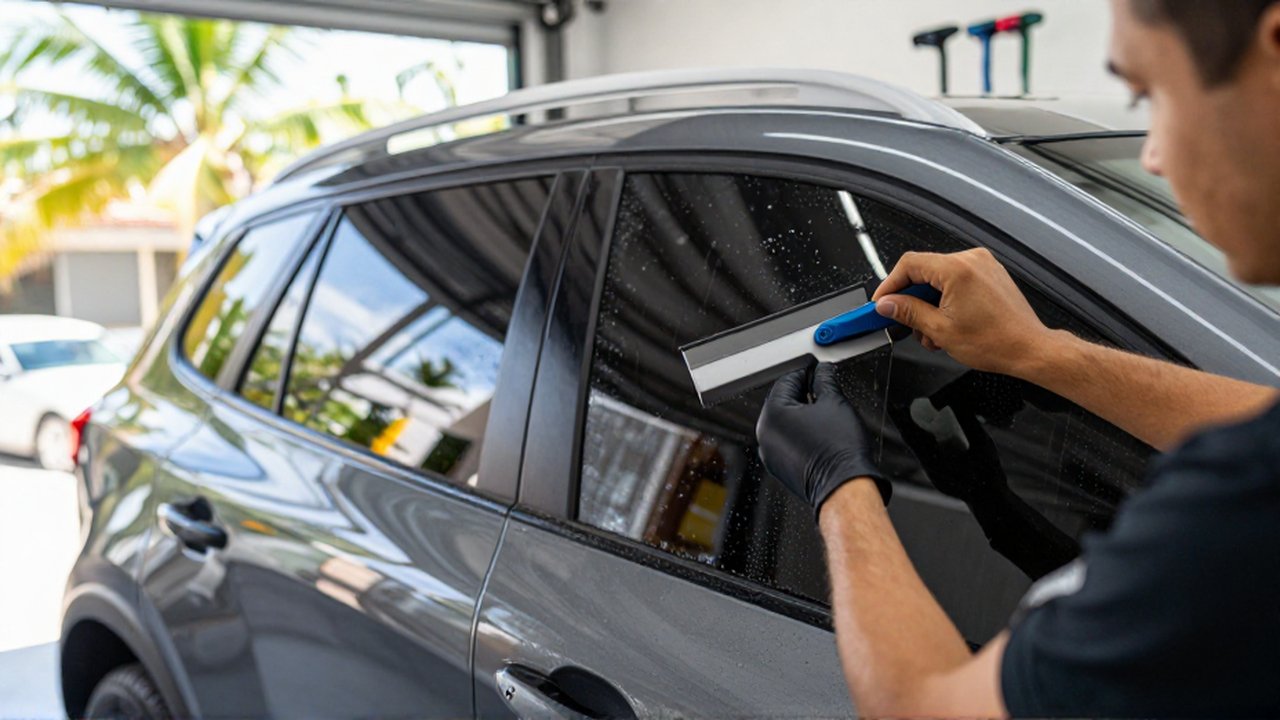
Selecting the right tint requires understanding the materials used in the manufacturing process. The effectiveness of a film is determined by its ability to reject heat and block UV rays.
Dyed Window Film This is the most basic and affordable option. It works by using pigments to absorb light, creating a dark appearance. While it is excellent for providing privacy and reducing visible glare, it offers the lowest level of heat rejection. Because the film absorbs the heat rather than reflecting it, the material can become very hot to the touch over time.
Metallic Window Film Metallic films contain tiny particles of metal that reflect solar energy away from the vehicle. This makes them more effective at heat rejection than dyed films. However, because they use metal, they can sometimes interfere with electronic signals, such as GPS, radio, or mobile phone reception.
Carbon Window Film Carbon film provides a middle ground between dyed and high-end options. It uses carbon particles to absorb heat and UV rays. One of the primary advantages of carbon tint is that it does not fade easily and does not interfere with electronic signals. It offers a matte finish that many drivers find aesthetically pleasing.
Ceramic Window Film Ceramic tint is widely considered the premium option for maximum protection. It uses nano-ceramic particles to block infrared rays and UV radiation without using metal. This allows for high levels of heat rejection while maintaining crystal-clear visibility and ensuring that electronic signals remain uninterrupted. It is the most effective choice for those prioritizing thermal comfort and long-term durability.
Comparison of tint features
The following table outlines the primary differences between the most common types of window film to help guide your selection.
| Tint Type | Heat Rejection | UV Protection | Signal Interference | Durability |
|---|---|---|---|---|
| Dyed | Low | Moderate | None | Low (may fade) |
| Metallic | Moderate/High | High | Possible | Moderate |
| Carbon | Moderate/High | High | None | High |
| Ceramic | Very High | Very High | None | Very High |
Key factors for making a decision
When deciding which option is best for your specific needs, consider the following criteria:
- Primary Goal: Determine if your main objective is privacy (darkness), heat reduction (comfort), or UV protection (material preservation).
- Budget: Recognize that there is a direct correlation between the price of the film and its technical performance. Ceramic films represent a higher initial investment but offer superior long-term benefits.
- Electronic Integration: If your vehicle relies heavily on external connectivity (GPS, RFID, etc.), avoid metallic films to prevent signal disruption.
- Visual Clarity: High-quality films, especially ceramic ones, provide excellent heat rejection without making the interior feel dark or claustrophobic during night driving or rainy conditions.
Common mistakes to avoid
A frequent error is choosing a tint based only on the "percentage" of light passed (VLT). A very dark film may look excellent for privacy, but if it is a low-quality dyed film, it may provide almost no relief from the actual heat. Always ask about the Total Solar Energy Rejection (TSER) rating, as this is a much more accurate measure of how much heat the film will actually block.
Another mistake is attempting to save money by using low-grade films in high-heat environments. Low-quality films tend to bubble, peel, or discolor quickly when exposed to intense tropical sun, which can lead to higher costs when they eventually need to be professionally removed and replaced.
Frequently asked questions
Does a darker tint always mean more heat protection? No. Darkness refers only to visible light. A dark dyed film might block light but fail to block infrared heat, whereas a lighter ceramic film can provide significantly better heat rejection.
Will window tinting affect my car's electronics? Only certain types can. Metallic-based films are known to potentially interfere with radio and GPS signals. Carbon and ceramic films are designed to be "signal-friendly."
How long does professional window tinting typically last? High-quality films, particularly carbon and ceramic options, are designed to last for many years without fading or bubbling. Low-end dyed films have a much shorter lifespan in hot climates.
Can tinting help reduce fuel consumption? Indirectly, yes. By keeping the cabin cooler, the air conditioning system does not have to run at maximum capacity constantly, which can help optimize engine efficiency.
Leave a Reply