
Dangers of using incorrect coolant in radiators
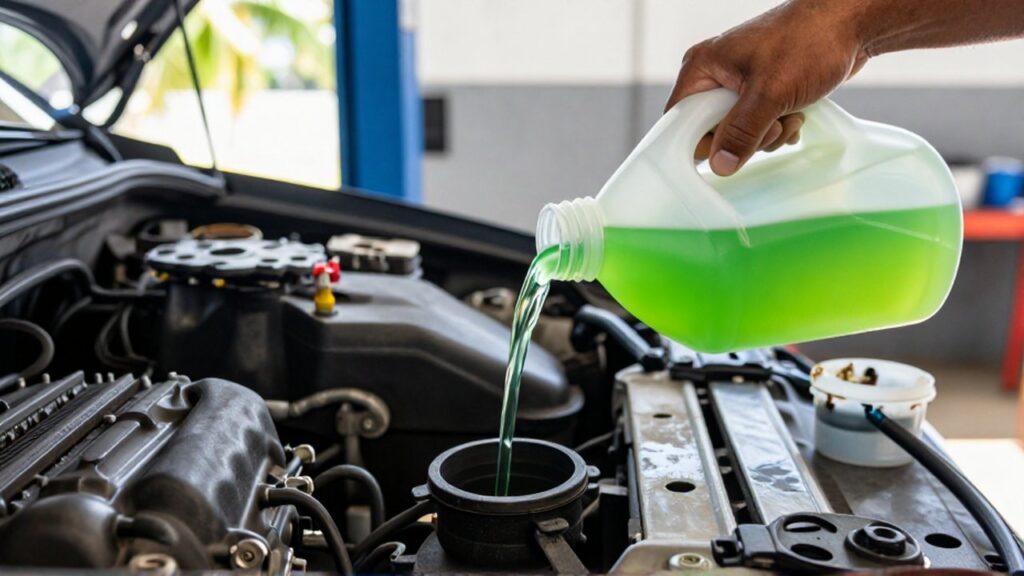
Introduction
The cooling system is one of the most critical components of any internal combustion engine, responsible for regulating operating temperatures and preventing catastrophic thermal failure. At the heart of this system is the coolant, a specialized fluid designed to absorb heat from the engine block and dissipate it through the radiator. Using the correct type of coolant is not merely a recommendation; it is a fundamental requirement for maintaining the structural integrity of your vehicle's engine and cooling components.
In many regions, particularly in tropical climates, engines operate under high stress due to heat and humidity. Selecting an improper coolant—whether based on wrong chemical composition or incorrect concentration—can lead to a series of mechanical failures that are both expensive and time-consuming to repair. Understanding the specific requirements of your vehicle is the first step in preventing these issues.
Consequences of using incompatible chemical compositions
Modern engines are designed to work with specific chemical technologies, such as Organic Acid Technology (OAT), Hybrid Organic Acid Technology (HOAT), or Inorganic Acid Technology (IAT). These formulations are engineered to protect different metals, such as aluminum, copper, or cast iron, from corrosion.
When an incorrect coolant is introduced, the primary danger is chemical incompatibility. If you mix two different types of coolant, such as an OAT and an IAT, they can react and form a thick, gelatinous sludge. This substance is far more dangerous than simple sediment; it acts like a thick paste that clogs the narrow passages of the radiator and the heater core. Once this sludge forms, the fluid can no longer circulate effectively, leading to localized hotspots within the engine.
Furthermore, incorrect chemical additives may fail to provide the necessary lubrication for the water pump seal. Without proper lubrication, the seal can wear down prematurely, leading to coolant leaks and eventual water pump failure.
Risks of improper concentration and boiling points

Coolant is rarely used in its pure form; it is typically a mixture of concentrated antifreeze and distilled water. The ratio between these two components determines the fluid's boiling point and its ability to prevent freezing.
If the concentration of antifreeze is too low, the boiling point of the mixture decreases. In high-temperature environments, the coolant may begin to boil prematurely inside the engine passages. This creates steam pockets, or cavitation, which can cause the engine to overheat rapidly even if the radiator level appears sufficient. Additionally, boiling coolant can create excessive pressure that stresses hoses, gaskets, and the radiator cap.
Conversely, if the concentration is too high, the fluid may not be able to transfer heat as efficiently as a properly diluted mixture. While high concentrations are often associated with freezing protection, they can actually reduce the thermal conductivity needed to keep the engine cool during heavy use or in stop-and-go traffic.
Damage to engine components and seals
The cooling system relies on a delicate balance of pressure and chemistry to keep components intact. Using the wrong fluid can lead to several forms of hardware degradation:
- Corrosion and Oxidation: Incorrect additives can strip the protective oxide layer from aluminum components, leading to pitting and structural weakness in the cylinder head or water pump.
- Seal and Gasket Failure: Certain coolants contain additives that may be aggressive toward the specific rubber or synthetic materials used in modern gaskets and hoses. This can cause seals to swell, shrink, or become brittle, resulting in external leaks.
- Radiator Clogging: As mentioned previously, chemical reactions or the breakdown of improper additives can create precipitates that block the radiator fins, reducing the entire system's cooling efficiency.
Comparison of common coolant types

| Coolant Type | Primary Technology | Best Suited For | Common Risk |
|---|---|---|---|
| IAT | Inorganic Acid | Older vehicles with cast iron engines | High corrosion rate in modern aluminum engines |
| OAT | Organic Acid | Most modern vehicles (Aluminum focused) | Incompatibility when mixed with older types |
| HOAT | Hybrid Technology | A mix used in various specific brands | Improper mixing with pure OAT can cause sludge |
Prevention and maintenance best practices
To avoid the dangers associated with incorrect coolant, drivers should always consult the vehicle owner's manual before purchasing any fluid. The manual specifies the exact type of coolant technology required for your specific engine make and model.
Always use distilled water when mixing concentrates. Using tap water introduces minerals like calcium and magnesium, which cause scale buildup inside the radiator, significantly reducing heat exchange capabilities. If you suspect that the wrong coolant has been added or that different types have been mixed, the safest course of action is to perform a complete system flush. This involves draining the old fluid, cleaning the internal passages, and refilling the system with the correct, manufacturer-approved mixture.
Frequently asked questions
Can I mix different colors of coolant? Generally, no. While color is not a perfect universal indicator, different colors often signify different chemical technologies. Mixing them can lead to chemical reactions that create sludge and block your cooling system.
What happens if I use plain water instead of coolant? Plain water lacks the corrosion inhibitors and boiling point enhancers found in coolant. It can lead to rapid rusting of engine components and will boil much sooner than a proper coolant mixture, increasing the risk of overheating.
How often should I check my coolant? You should check your coolant levels regularly, especially before long trips or during periods of extreme heat. However, you should never open a radiator cap while the engine is hot, as the pressurized fluid can cause severe burns.
Is a system flush necessary if I change coolant types? Yes. If you are switching from one technology to another (for example, from IAT to OAT), a thorough flush is essential to ensure no residues of the old chemical remain to react with the new fluid.
Leave a Reply