
Guide to diagnosing car battery drainage issues

Introduction
A dead battery is one of the most frustrating experiences for any vehicle owner, often occurring at the most inconvenient moments. Battery drainage, commonly referred to as a parasitic draw, happens when electrical components continue to consume power even after the ignition is turned off and the vehicle is parked. Understanding why this occurs is essential for maintaining vehicle reliability and avoiding the high costs of frequent battery replacements.
Diagnosing these issues requires a systematic approach to identify whether the problem lies within the battery itself, the charging system, or an electrical component that refuses to shut down. By learning how to isolate the source of the drain, you can prevent damage to your vehicle's electronic control units and ensure your car is ready to start every time you need it.
Recognizing the symptoms of battery drain
The most obvious sign of a draining battery is a slow engine crank or a complete failure to start. If you notice that your vehicle struggles to turn over in the morning after sitting overnight, or if the headlights appear dim when you attempt to start the engine, you are likely dealing with an electrical issue.
Other subtle symptoms include interior lights that do not turn off completely, a dashboard that displays warning lights intermittently, or an unexpected failure of electronic accessories like the radio or power windows. In tropical climates, where high temperatures can accelerate battery degradation, these symptoms may appear more frequently. It is important to distinguish between a battery that is simply old and one that is being drained by a specific electrical malfunction.
Assessing battery health and terminal condition

Before diving into complex electrical testing, you must first inspect the physical state of the battery and its connections. Corroded terminals are a common culprit for starting issues; white, ashy buildup around the battery posts can create high resistance, preventing electricity from flowing correctly to the starter motor. Cleaning the terminals with a specialized brush and ensuring the connections are tight can often resolve "phantom" battery issues.
You should also check the battery's age. Most lead-acid batteries have a service life of three to five years. If your battery is nearing the end of this cycle, the drainage might not be a parasitic draw at all, but rather the natural inability of the battery to hold a charge. A simple voltage test with a multimeter can confirm if the battery is holding a sufficient charge when the engine is off.
Identifying parasitic electrical draws
A parasitic draw occurs when a component stays "awake" and pulls current from the battery while the car is off. Common culprits include interior lights left on, faulty aftermarket alarms, or glove compartment lights that fail to extinguish when closed. Even modern vehicles have computers that stay active for a short period after shutdown, but an excessive draw indicates a malfunction.
To diagnose this, a multimeter should be used in series with the negative battery cable. Once all doors are closed and the vehicle is "asleep," you can monitor the amperage draw. If the reading exceeds the manufacturer's specifications, you must begin a process of elimination. This involves pulling fuses one by one; if the amperage reading drops significantly after removing a specific fuse, you have identified the circuit responsible for the drain.
Distinguishing between battery failure and alternator issues
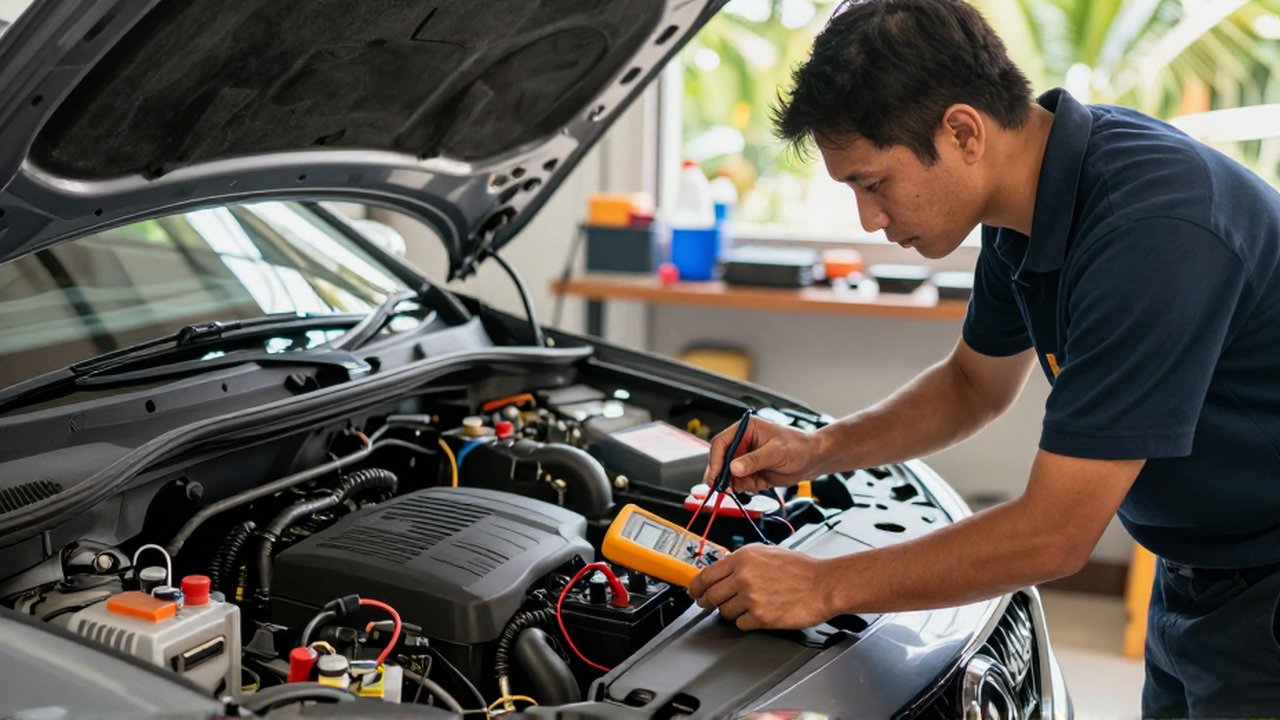
It is a frequent mistake to assume a dead battery is the only problem when, in reality, the alternator may be failing to recharge the battery while the engine is running. The alternator is responsible for powering the vehicle's electrical systems and replenishing the battery's energy during operation.
If your battery dies while you are driving, or if you notice your dashboard lights flickering while the engine is running, the alternator is likely the issue. A healthy alternator should provide a steady voltage increase when the engine is running. If the voltage remains low or fluctuates wildly, the charging system cannot keep up with the electrical demand, leading to a depleted battery regardless of its condition.
Preventing future battery drainage
Preventative maintenance is the most effective way to avoid unexpected electrical failures. Regular inspections of the battery terminals and ensuring that all lights and electronics are fully powered down when the vehicle is parked are fundamental habits. If you plan to leave a vehicle unused for extended periods, consider using a trickle charger to maintain the battery's voltage levels.
Furthermore, be cautious when installing aftermarket electronics such as remote starters or high-end audio systems. Poorly installed components are a leading cause of parasitic draws. Always ensure that any electrical modifications are performed according to professional standards to prevent long-term damage to your vehicle's electrical architecture.
Frequently asked questions
Why does my battery die faster in hot weather? High temperatures accelerate the internal chemical reactions within a battery, which can lead to increased internal corrosion and fluid evaporation, shortening its overall lifespan.
Can a faulty light bulb cause the battery to drain? Yes, if a bulb—such as a dome light or trunk light—stays illuminated due to a faulty switch or a door sensor issue, it will continuously draw power and eventually deplete the battery.
How can I tell if the problem is the battery or the alternator? If the car dies while driving or the battery won't charge even after a long drive, it is likely the alternator. If the car starts fine but dies after sitting for several hours, it is likely a battery or parasitic draw issue.
Will jumping my car fix a battery drain issue? Jumping the car provides immediate power to start the engine, but it does not fix the underlying cause. If a parasitic draw exists, the battery will simply drain again once the vehicle is turned off.
Leave a Reply