
Guide to testing headlight bulb lifetime

Introduction
Headlight bulbs are critical components for vehicle safety, directly impacting your visibility during night driving and adverse weather conditions. Monitoring the lifetime and performance of these bulbs is essential to prevent sudden failures that can lead to dangerous situations on the road. Understanding how to assess the condition of your lights allows you to transition from reactive repairs to proactive maintenance.
Testing the lifetime and functionality of your headlights is most appropriate during routine vehicle inspections or whenever you notice a decline in illumination quality. In tropical climates, where high temperatures and moisture can accelerate the degradation of electrical components and bulb filaments, being vigilant about light output is a necessary habit for every driver.
Signs of failing headlight bulbs
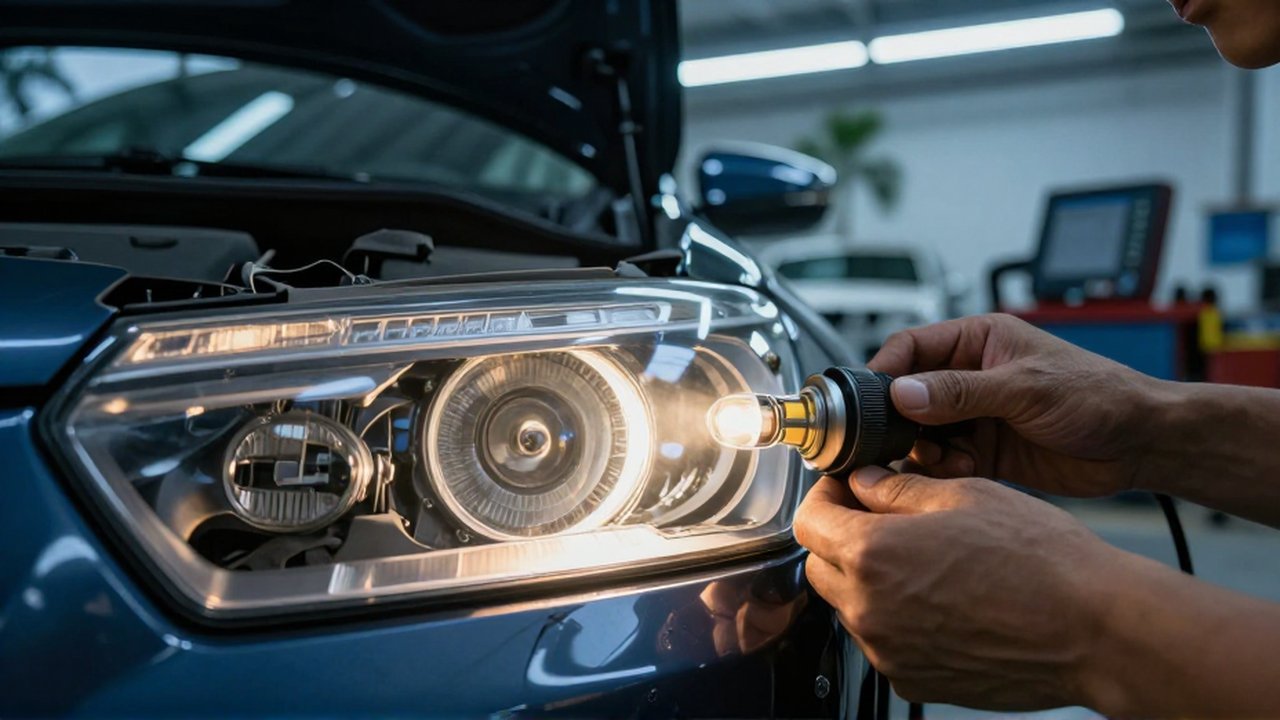
Identifying a failing bulb before it completely burns out is the first step in effective headlight testing. One of the most obvious signs is a noticeable reduction in brightness. If one side of your vehicle appears significantly dimmer than the other, the filament in the weaker bulb may be thinning or the internal gas pressure may be changing due to age.
Physical discoloration is another key indicator. Look for a yellowish or grayish tint on the glass of the bulb or the inside of the headlight housing. This often indicates that the protective coating or the bulb's internal components are failing. Additionally, flickering lights when you hit bumps or turn the steering wheel suggest that the bulb's connection or the filament itself is nearing the end of its operational life.
Practical methods for testing light performance
Testing your headlights does not always require specialized laboratory equipment; most assessments can be done through visual observation and simple manual checks.
Visual Comparison Test The most effective way to gauge relative bulb health is to perform a side-by-side comparison. Park your vehicle facing a flat, neutral wall in a dark environment. Turn on your headlights and observe the beam patterns. If one side shows a weaker reach or a different color temperature compared to the other, that bulb is likely nearing the end of its lifetime.
The Degree of Illumination Check Drive on a known, safe, and well-paved road at night. Observe how much of the road surface is clearly illuminated. If you find yourself relying more on streetlights or experiencing "blind spots" in your perception of the road ahead, your bulbs may be losing their concentrated light output, even if they are still technically emitting light.
Physical Inspection of the Housing Open the hood and inspect the headlight assembly for signs of moisture or condensation. While moisture is often a result of a faulty seal, it can cause the bulb to overheat or short-circuit, drastically shortening its lifetime. Check for any dark spots on the bulb glass, which signify that the bulb has been operating at excessive temperatures.
Common causes of premature bulb failure
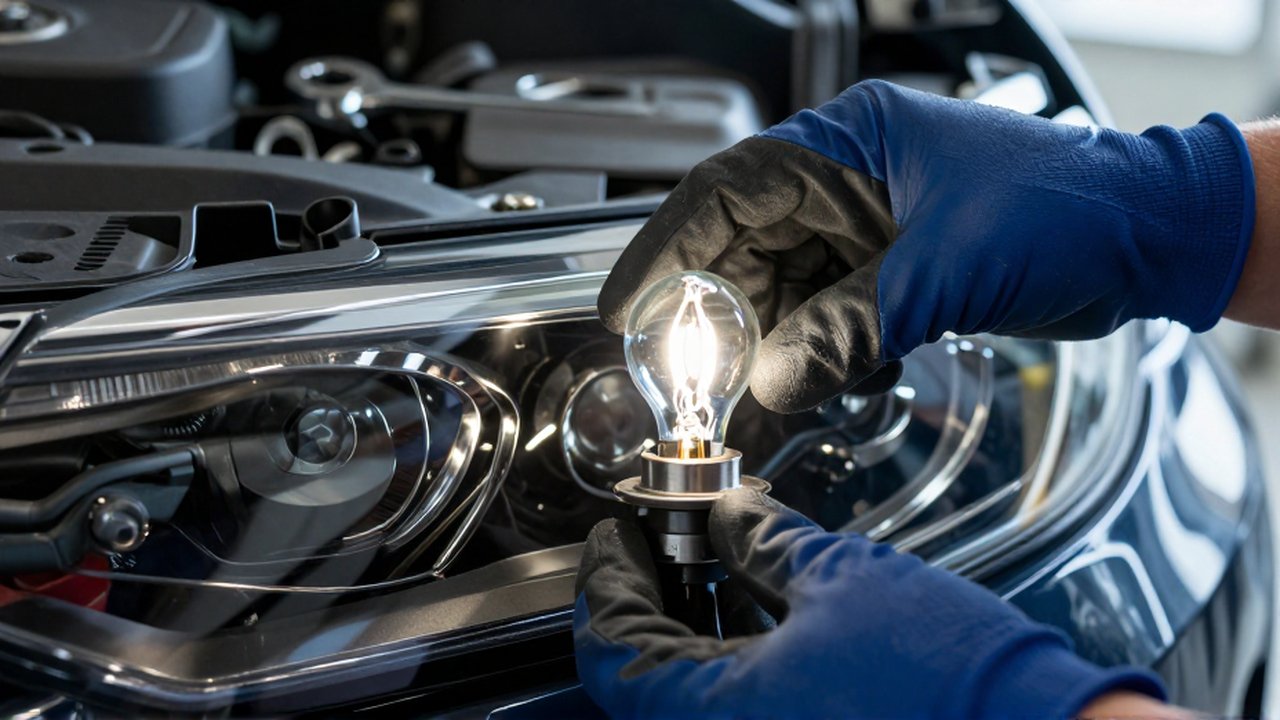
Understanding why bulbs fail can help you extend the life of new replacements. One of the most frequent mistakes made during bulb replacement is touching the glass of a halogen bulb with bare hands. The natural oils from your skin can create "hot spots" on the glass, causing the bulb to overheat and fail prematurely.
Other contributing factors include:
- Voltage Fluctuations: Inconsistent electrical output from the vehicle's alternator can stress the bulb filament.
- Vibrations: Poorly secured headlight housings or driving on excessively rough roads can cause mechanical stress on the filament.
- Environmental Heat: In warmer regions, the intense heat inside the headlight assembly can accelerate the degradation of the internal gases.
- Poor Connections: Corroded or loose sockets can cause irregular electrical flow, leading to flickering and eventual failure.
Comparison of bulb types and longevity
Different bulb technologies offer varying lifespans and light qualities. Choosing the right type for your vehicle can influence how often you need to perform maintenance.
| Bulb Type | Typical Lifespan | Light Intensity | Maintenance Frequency |
|---|---|---|---|
| Halogen | Moderate | Standard | Regular checks required |
| HID (Xenon) | High | Very High | Occasional inspection |
| LED | Very High | High to Very High | Low maintenance |
Frequently asked questions
How often should I check my headlights? It is recommended to perform a quick visual check of your lights once a month and during every routine vehicle inspection to ensure all components are functioning at peak performance.
Can a dim headlight mean the battery is dying? While a failing battery can affect overall electrical output, a single dim headlight is almost always an indication of a specific bulb or socket issue rather than a general battery problem.
Why do my headlights turn on but provide very little light? This is often caused by oxidation on the bulb's filament or the buildup of residue inside the headlight lens, which scatters the light and prevents it from focusing on the road.
Is it better to replace bulbs in pairs? Yes, replacing bulbs in pairs is recommended. Since bulbs in a set often have similar wear levels, replacing one usually means the other is close to failing, and using new bulbs ensures matching brightness and color.
Leave a Reply