How to prevent transmission damage in heavy traffic

Introduction
Heavy traffic is one of the most taxing environments for a vehicle's drivetrain, particularly for the transmission system. In regions with high congestion, the constant cycle of shifting between gears, idling, and sudden braking causes significant thermal stress and mechanical wear. Understanding how to manage your vehicle during these periods is essential for avoiding expensive repairs and ensuring long-term reliability.
Protecting your transmission is not just about what you do while moving, but also how you manage the vehicle's state during long periods of inactivity in stop-and-go conditions. Following specific driving habits can significantly reduce the friction and heat buildup that lead to premature component failure. This guide provides practical strategies to help you maintain your transmission's health even in the most demanding urban environments.
Understanding the impact of stop and go traffic

Transmission damage in heavy traffic is primarily caused by two factors: heat and excessive shifting. In an automatic transmission, the hydraulic fluid serves as both a lubricant and a coolant. When you are constantly moving forward a few meters and then stopping, the transmission fluid undergoes rapid temperature fluctuations. This can lead to the thermal breakdown of the fluid, reducing its ability to protect moving parts.
Furthermore, frequent changes between "Drive" and "Neutral" or "Park" can cause unnecessary wear on the clutches and bands within the transmission assembly. In modern vehicles, the computer manages most shifts, but the physical interaction of the components during constant low-speed movement still places a high demand on the system's hydraulic pressure and cooling capabilities.
Driving habits to minimize transmission wear
The way you interact with your gear selector and pedals can dictate the lifespan of your transmission. To mitigate damage, consider the following practices:
- Avoid constant gear cycling: In slow-moving traffic, there is often a temptation to shift into "Neutral" while waiting at a long red light to relieve pressure. However, frequent shifting can lead to more wear than simply staying in "Drive" with your foot firmly on the brake. Only shift to Neutral if you expect a very long, stationary wait.
- Maintain a safe following distance: By leaving space between you and the car ahead, you can avoid the "creep and brake" cycle. A larger gap allows you to roll more smoothly, reducing the number of times the torque converter has to engage and disengage.
- Smooth pedal application: Avoid aggressive acceleration and abrupt braking. Sudden bursts of speed require the transmission to apply high hydraulic pressure to engage gears, which increases heat and stress on the internal components.
- Use appropriate modes: If your vehicle has a "Low" gear setting or a manual mode, use it when climbing steep inclines in traffic to prevent the transmission from "hunting" for the correct gear, which causes constant shifting.
The importance of transmission fluid maintenance
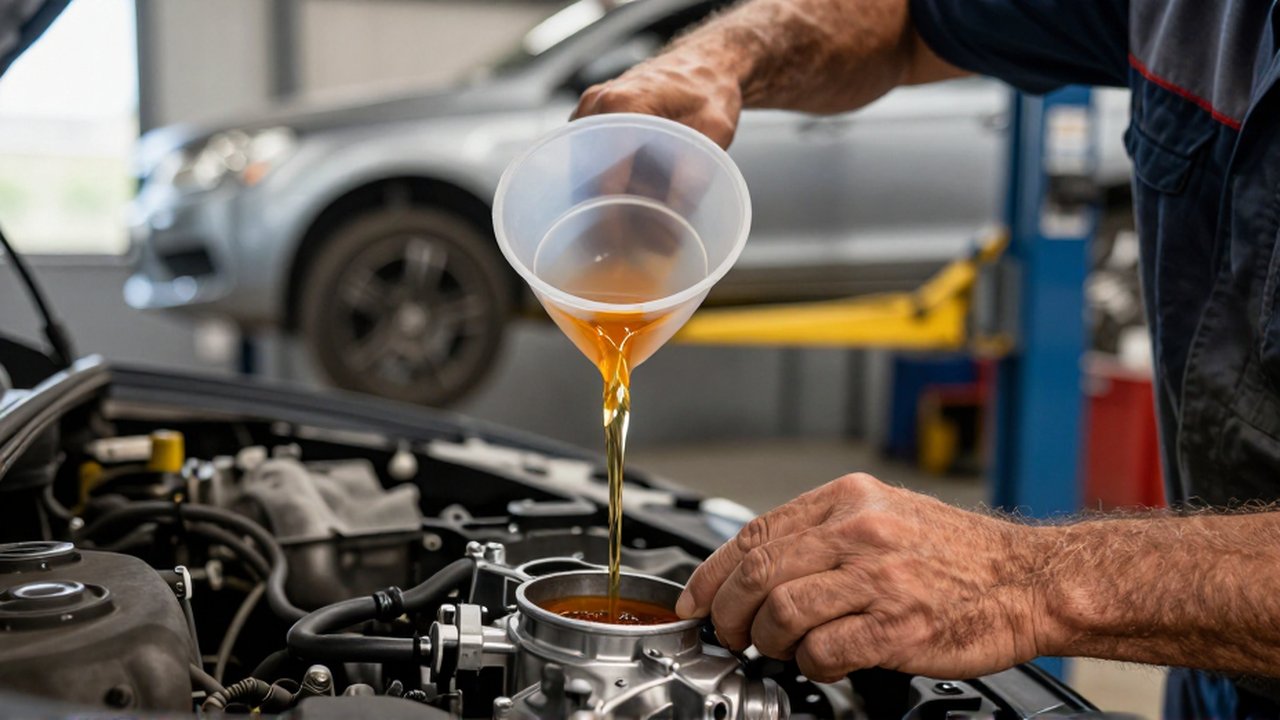
The health of your transmission is inextricably linked to the quality of its fluid. In tropical climates or high-traffic cities, fluid degrades faster due to the extreme heat generated during idling and low-speed crawling.
| Aspect | Impact of Neglect | Benefit of Regular Maintenance |
|---|---|---|
| Fluid Level | Low fluid causes slipping and overheating. | Ensures consistent hydraulic pressure. |
| Fluid Quality | Old fluid loses viscosity and lubrication. | Maintains cooling and smooth shifting. |
| Filter Condition | A clogged filter prevents proper flow. | Keeps debris from damaging internal parts. |
Regularly checking for leaks and adhering to a professional inspection schedule is vital. If the fluid appears dark or smells burnt, it is a clear indicator that the transmission is already under excessive stress and requires immediate attention.
Common mistakes to avoid
One of the most frequent mistakes drivers make is shifting into "Park" before the vehicle has come to a complete stop. This places the entire weight of the car on a small parking pawl rather than the braking system, which can damage the transmission linkage and internal gears over time.
Another error is ignoring early warning signs. If you notice delayed engagement (a pause between shifting into gear and the car moving), unusual grinding noises, or "slipping" (where the engine revs but the vehicle doesn't accelerate), these are symptoms of impending failure. Addressing these issues early often allows for a simple fluid flush or sensor replacement rather than a total transmission rebuild.
Frequently asked questions
Should I shift to Neutral while stuck in heavy traffic? It is generally unnecessary and can cause more wear due to frequent shifting. It is better to stay in Drive with the brake applied unless you anticipate a very long stationary period.
How often should I check my transmission fluid? While many modern vehicles have "sealed" transmissions, it is wise to have your fluid and filter inspected during every major oil change interval, especially if you drive frequently in heavy traffic.
Why does my transmission feel hot after a long traffic jam? Heavy traffic prevents natural airflow through the radiator and transmission cooler, causing heat to build up. This is normal to an extent, but if the car begins to struggle, it may indicate a cooling system issue.
Can heavy traffic cause transmission slipping? Yes, constant heat buildup can degrade the fluid and cause the internal clutches to slip, which is a sign that the system is losing its ability to hold gear pressure.
Leave a Reply