
How to tighten a loose engine belt safely
Introduction
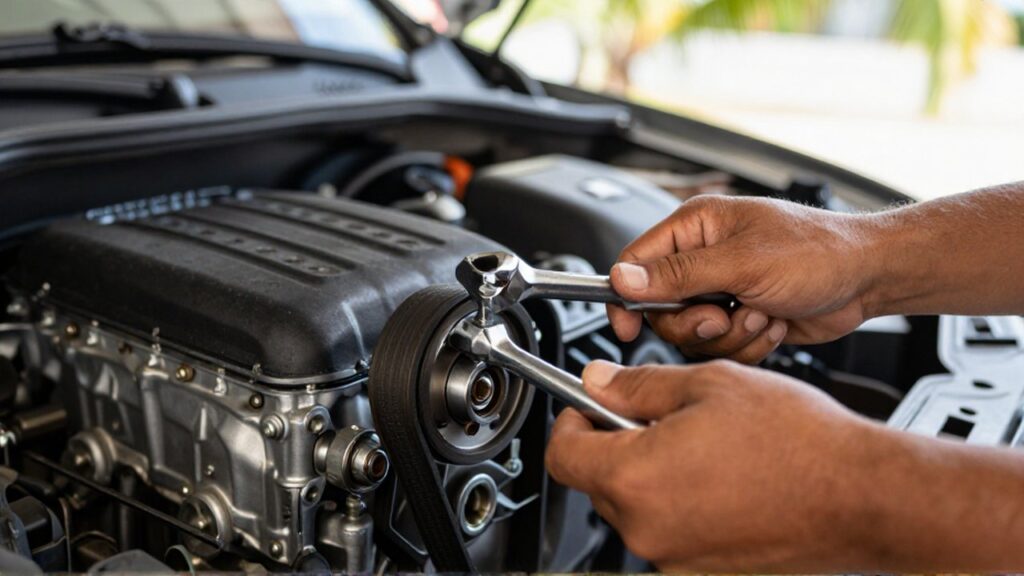
An engine belt, such as a serpentine belt or a V-belt, is a critical component responsible for transferring power from the crankshaft to essential accessories like the alternator, power steering pump, and air conditioning compressor. When a belt becomes loose, it can slip, causing unusual squealing noises, reduced electrical output, or even a complete loss of steering assistance. Recognizing these symptoms early is vital for preventing sudden mechanical failure while driving.
Tightening a loose belt is a common maintenance task that can prevent more expensive repairs if addressed promptly. However, because engine belts are located in close proximity to moving parts and high-temperature components, the process must be approached with caution. Understanding how to identify the cause of the looseness and applying the correct tension is the difference between a quick fix and a potentially dangerous DIY error.
Signs of a loose engine belt
Before attempting any adjustments, you must confirm that the belt is actually the source of your vehicle's issues. The most common indicator is a persistent high-pitched squeal, especially when you first start the engine or when you accelerate. This sound is caused by the belt slipping against the pulleys rather than gripping them securely.
Other signs include intermittent loss of power in electrical systems, such as dimming headlights, or increased effort required to turn the steering wheel. If you notice the belt looks glazed, cracked, or frayed, the issue might not be tension, but rather the physical condition of the rubber itself. In such cases, tightening will only provide a temporary and unsafe fix; the belt should be replaced immediately.
Tools and safety preparations
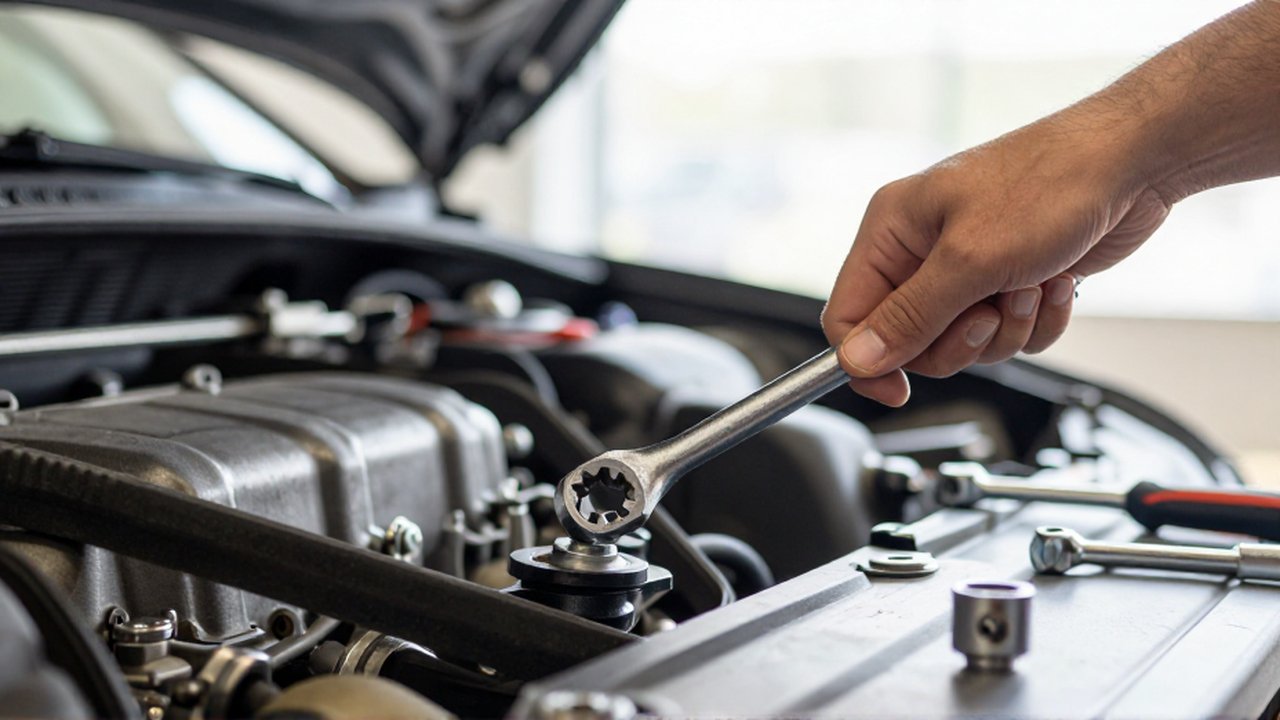
Safety is the absolute priority when working under the hood. Always ensure the engine is completely cool to the touch to avoid severe burns from the manifold or radiator. You must also turn off the ignition and, ideally, disconnect the battery to prevent any accidental engagement of electrical components.
To perform a tension adjustment, you will generally need a basic set of hand tools. Depending on your vehicle's design, this might include:
- A socket wrench set or a combination wrench set.
- A long-handled breaker bar for increased leverage.
- A tensioner gauge (for precision).
- A flashlight to inspect deep recesses.
Steps to tighten the belt tension
The method for tightening a belt depends heavily on whether your vehicle uses a manual adjustment system or an automatic spring-loaded tensioner.
Manual adjustment method On older vehicles, the belt is often tightened by moving the component it powers (such as the alternator) using a mounting bolt and an adjustment bolt. To do this, loosen the mounting bolt that holds the component in place. Then, turn the adjustment bolt clockwise to push the component away from the engine, increasing the distance between pulleys and tightening the belt. Once the desired tension is reached, tighten the mounting bolt securely to lock the position.
Automatic tensioner method Most modern vehicles use an automatic tensioner, which is a pulley attached to a spring-loaded arm designed to maintain constant pressure. If an automatic tensioner allows a belt to become loose, it usually means the internal spring has weakened or the tensioner mechanism has failed. In this scenario, you cannot "tighten" the belt manually; you must replace the entire tensioner assembly. You can temporarily check the tension by using a breaker bar to rotate the tensioner and observe if it returns to its original position smoothly.
How to verify correct tension
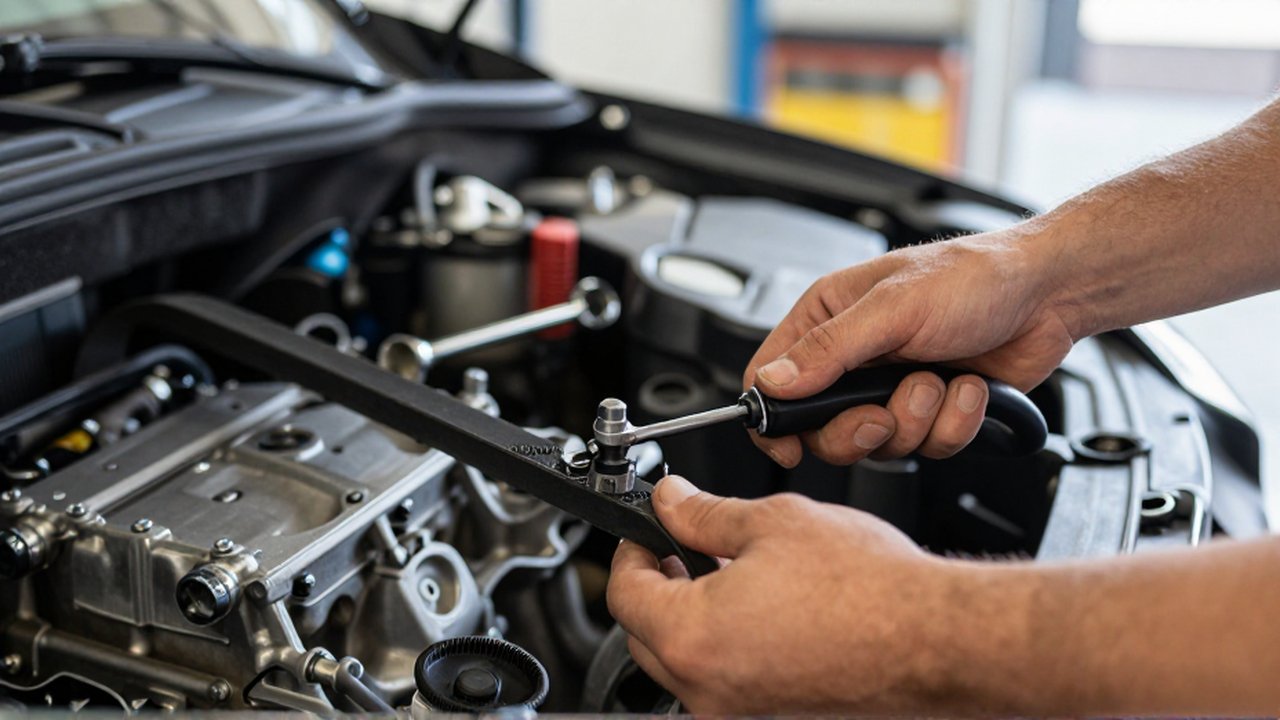
Once the adjustment is made, you must verify that the tension is neither too loose nor too tight. A belt that is too loose will continue to slip and squeal, while a belt that is too tight can put excessive load on the bearings of the alternator or water pump, leading to premature component failure.
A simple manual test involves applying pressure to the longest span of the belt between the pulleys. It should have a slight amount of "give" or deflection, typically about half an inch when pressed firmly with your thumb. If the belt feels rock-hard and offers no movement, it is too tight. If it feels floppy or can be twisted easily, it requires more tension.
Common mistakes to avoid
One of the most frequent errors is over-tightening. Many drivers assume that a tighter belt is a safer belt, but excessive tension can snap the belt or damage the internal components of the engine's accessory drives. Always prioritize incremental adjustments rather than making large, sudden changes.
Another mistake is ignoring the condition of the belt while adjusting it. If the belt has become loose due to stretching, the rubber may have lost its structural integrity. If you see "glazing"—a shiny, smooth appearance on the underside of the belt—it means the belt has been slipping and overheating. In this situation, do not bother tightening it; simply replace it with a new one to ensure reliability.
Frequently asked questions
How often should I check my engine belt? It is a good habit to perform a visual inspection during every oil change or every few months. Look for cracks, fraying, or signs of uneven wear.
Can a loose belt damage my car? Yes. A loose belt can slip off the pulleys entirely, which can lead to the loss of power steering, the engine overheating if the water pump stops turning, or a total loss of battery charging.
Why does my belt squeal only when it is raining? Moisture can temporarily reduce the friction between the belt and the pulley, causing a slip. If the squeal disappears once the belt dries, it is a sign that your belt tension is low or the belt material is worn.
Is it better to tighten or replace a belt? If the looseness is caused by a simple adjustment bolt on an older car, tightening is appropriate. However, if the belt shows physical wear, cracks, or if you have a modern automatic tensioner that has failed, replacement is the only safe option.
Leave a Reply